Healthy Indian food combines fresh ingredients, balanced nutrition, and delicious flavors. It includes vegetables, whole grains, lentils, fruits, and lean proteins. Many traditional Indian meals are naturally healthy when prepared with less oil and fresh spices.
Eating healthy does not mean giving up tasty food. Indian cuisine offers many meals that are both satisfying and nutritious. With a few smart choices, you can enjoy your favorite dishes while supporting your overall health and energy every day.
In this guide, you will learn about healthy Indian food choices that are easy to include in your daily routine. We will explore nutritious ingredients, wholesome meals, and simple tips to help you enjoy flavorful food while maintaining a balanced diet.
What Is Indian Food?
Indian food is the traditional cuisine of India. It includes a wide variety of dishes made with fresh vegetables, grains, lentils, dairy, meat, and seafood. People around the world enjoy Indian food because of its rich flavors and colorful ingredients.
The unique taste of Indian food comes from herbs and spices such as turmeric, cumin, coriander, and cardamom. Different regions of India use different cooking styles and local ingredients. This makes every meal special and full of variety.
Indian food offers something for everyone. You can enjoy spicy curries, soft breads, rice dishes, healthy lentils, and delicious desserts. Whether you prefer vegetarian or non-vegetarian meals, Indian food has many tasty and satisfying options.
History of Indian Food
The history of Indian food goes back thousands of years. Early people cooked with grains, lentils, fruits, and vegetables. Over time, they learned new cooking methods and started using more herbs and spices.
Many cultures influenced Indian food through trade and travel. Persian, Mughal, Portuguese, and British traditions introduced new ingredients and recipes. These influences blended with local cooking and created many famous dishes.
Today, Indian food reflects its long and rich history. Every region has its own flavors, recipes, and traditions. Families continue to pass down these recipes from one generation to the next, keeping Indian food alive and loved around the world.
Popular Indian Food Dishes
Indian food offers many delicious dishes for every taste. Some meals are spicy, while others are mild and creamy. You can find vegetarian, vegan, and meat-based options across different regions of India. Each dish has its own unique flavor and cooking style.
Many Indian dishes are now popular around the world. They are served in restaurants, street food stalls, and homes. The table below shows some of the most famous Indian food dishes along with their main ingredients and average prices in India.
| Indian Food Dish | Main Ingredients | Taste | Meal Type | Average Price (INR) |
| Butter Chicken | Chicken, butter, tomato gravy, cream | Rich & Mild | Main Course | ₹300–₹500 |
| Chicken Biryani | Rice, chicken, spices | Spicy & Aromatic | Main Course | ₹250–₹450 |
| Paneer Butter Masala | Paneer, tomato, butter, cream | Creamy | Main Course | ₹220–₹400 |
| Dal Tadka | Lentils, garlic, onions, spices | Mild & Flavorful | Main Course | ₹150–₹250 |
| Chole Bhature | Chickpeas, fried bread | Spicy | Breakfast/Lunch | ₹120–₹250 |
| Masala Dosa | Rice batter, potato filling | Crispy & Savory | Breakfast | ₹100–₹250 |
| Idli Sambar | Steamed rice cakes, lentil soup | Light | Breakfast | ₹80–₹180 |
| Palak Paneer | Spinach, paneer, spices | Mild | Main Course | ₹220–₹380 |
| Rogan Josh | Lamb, yogurt, spices | Rich & Spicy | Main Course | ₹350–₹600 |
| Tandoori Chicken | Chicken, yogurt, spices | Smoky | Starter/Main | ₹280–₹500 |
| Rajma Chawal | Kidney beans, rice | Mild & Comforting | Lunch | ₹120–₹220 |
| Aloo Gobi | Potato, cauliflower, spices | Mild | Main Course | ₹150–₹280 |
| Samosa | Potato, peas, pastry | Crispy & Spicy | Snack | ₹20–₹40 (each) |
| Pani Puri | Crispy shells, potatoes, flavored water | Tangy & Spicy | Street Food | ₹30–₹80 |
| Gulab Jamun | Milk solids, sugar syrup | Sweet | Dessert | ₹30–₹80 (2 pieces) |
Key Ingredients in Indian Food
Indian food uses fresh and simple ingredients to create rich flavors. Common ingredients include rice, wheat, lentils, vegetables, yogurt, and cooking oil or ghee. Many dishes also use chicken, fish, lamb, or paneer as the main protein.
Spices are an important part of Indian food. Turmeric, cumin, coriander, chili powder, mustard seeds, and garam masala add color, aroma, and taste. Fresh herbs like cilantro, mint, curry leaves, ginger, and garlic make each dish even more flavorful.
Different regions of India use different local ingredients. Coconut is common in the south, while wheat is popular in the north. Seasonal vegetables, fresh fruits, and local spices give every region its own unique cooking style and delicious recipes.
Indian Food Spices
Spices are the heart of Indian food. They add flavor, color, and aroma to every dish. Most Indian recipes use a mix of spices instead of just one. This creates a rich and balanced taste.
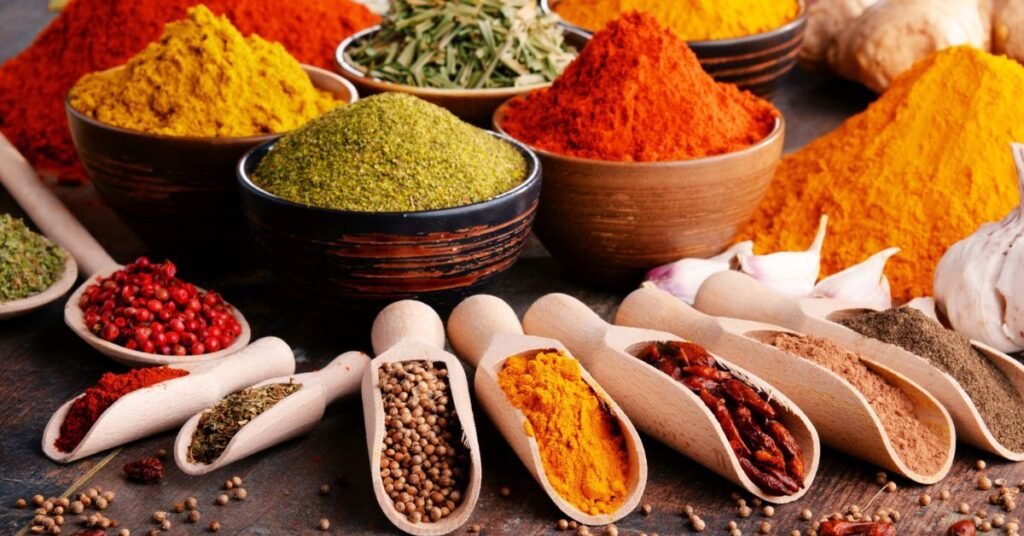
Some of the most common spices are turmeric, cumin, coriander, black pepper, cardamom, cloves, cinnamon, and chili powder. Each spice has its own unique flavor. Many recipes also include ginger, garlic, mustard seeds, and curry leaves for extra taste.
Indian cooks use spices in different ways. Some are roasted before cooking, while others are added during or at the end of the meal. Using the right amount of spices helps create delicious dishes without making the food too strong or too spicy.
Regional Indian Food
Indian food is different in every region of the country. Each area uses local ingredients, traditional recipes, and unique cooking methods. This makes Indian cuisine rich, diverse, and full of exciting flavors.
North Indian food is known for breads like naan and roti, creamy curries, and dishes such as butter chicken and paneer. South Indian food is famous for dosa, idli, sambar, and coconut-based recipes. East India is popular for fish dishes, rice, and sweets, while West India offers spicy curries, snacks, and flavorful seafood.
Exploring regional Indian food is a great way to experience the culture of India. Every state has its own special dishes and cooking traditions. No matter which region you choose, you will find delicious meals made with fresh ingredients and aromatic spices.
Health Benefits of Indian Food
It can be a healthy choice when it is made with fresh ingredients. Many meals include vegetables, lentils, whole grains, and healthy spices. These foods provide vitamins, minerals, fiber, and protein for a balanced diet.
Many Indian spices also offer health benefits. Turmeric contains natural compounds that support overall wellness. Ginger and garlic are commonly used to add flavor and may help support digestion. Fresh herbs and vegetables also make meals more nutritious.
You can make this food even healthier by using less oil, adding more vegetables, and choosing grilled or steamed dishes. Eating balanced portions is also important. With the right ingredients, this food can be both tasty and good for everyday eating.
Healthy Indian Food Choices
Healthy Indian food includes meals made with fresh and wholesome ingredients. Lentils, vegetables, whole grains, yogurt, and lean proteins are excellent choices. These foods provide important nutrients and help keep you full for longer.
Some of the best healthy Indian dishes are dal, vegetable curry, rajma, chana masala, idli, and grilled tandoori chicken. Brown rice and whole wheat roti are healthier alternatives to refined grains. Adding fresh salads and fruit to your meal also increases its nutritional value.
You can enjoy healthy Indian food every day by making small changes. Use less oil, reduce added sugar, and avoid deep-fried foods too often. Choosing fresh ingredients and balanced portions helps you enjoy delicious meals while supporting a healthy lifestyle.
Vegetarian Indian Food
Vegetarian Indian food is famous for its rich flavors and wide variety of dishes. It uses fresh vegetables, lentils, beans, paneer, and whole grains. These ingredients make meals both tasty and filling.
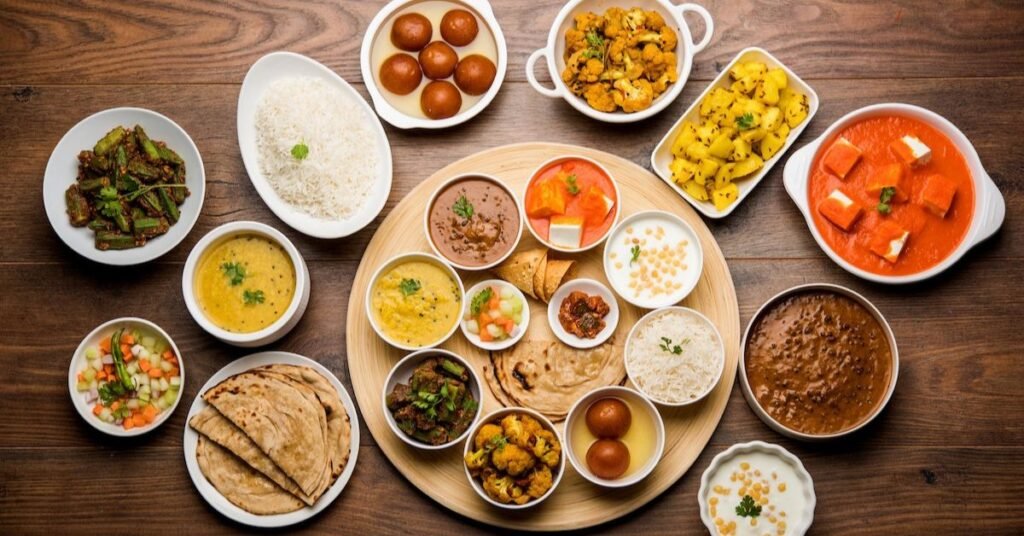
Many popular Indian dishes are naturally vegetarian. Some favorites include dal, chana masala, rajma, palak paneer, aloo gobi, and vegetable biryani. These meals are enjoyed in homes and restaurants across India.
Vegetarian Indian food can be a healthy choice for everyday eating. It provides fiber, protein, vitamins, and minerals from plant-based ingredients. With the right balance of vegetables, grains, and legumes, you can enjoy delicious and nutritious meals every day.
Indian Street Food
Indian street food is famous for its bold flavors and exciting variety. You can find it in busy markets, roadside stalls, and food streets across India. It is affordable, fresh, and loved by people of all ages.
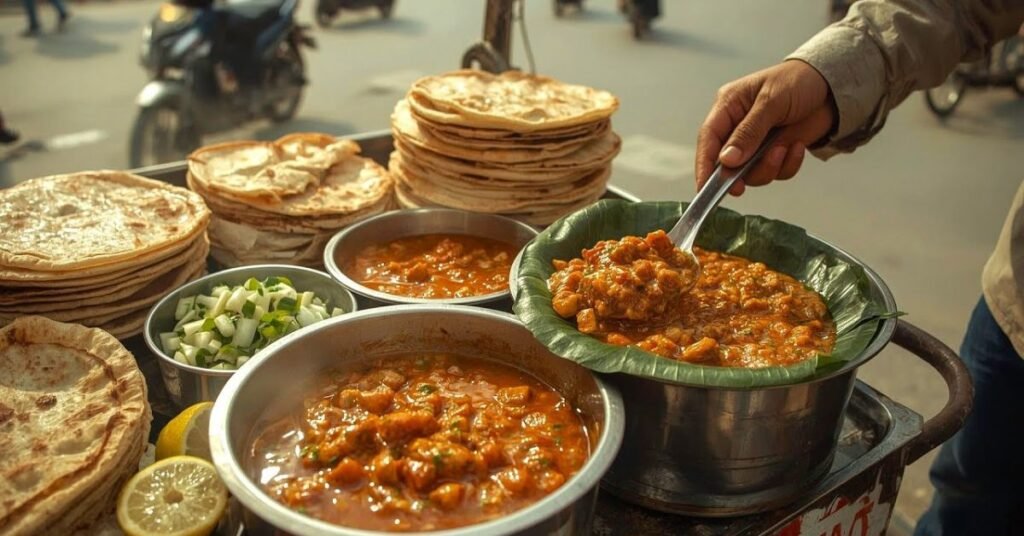
Some of the most popular Indian street foods are pani puri, samosa, bhel puri, pav bhaji, vada pav, and chaat. These snacks combine sweet, spicy, tangy, and savory flavors in every bite. Each region also has its own special street food dishes.
Street food is a fun way to experience Indian culture and local traditions. It is best to choose clean and busy food stalls that prepare meals fresh. This helps you enjoy delicious Indian street food while staying safe and healthy.
How to Cook Indian Food at Home
Cooking Indian food at home is simple when you start with basic recipes. Keep ingredients like rice, lentils, vegetables, onions, tomatoes, ginger, garlic, and common spices in your kitchen. These items are used in many everyday Indian meals.
Learn to use spices in the right order and amount. Cook onions, ginger, garlic, and spices before adding other ingredients. This step brings out rich flavors and gives your dishes an authentic taste.
Start with easy recipes such as dal, vegetable curry, jeera rice, or chana masala. Use fresh ingredients and taste your food as it cooks. With regular practice, you will become more confident and enjoy making delicious Indian food at home.
Common Mistakes to Avoid
Many people make small mistakes when cooking Indian food. One common mistake is using too much or too little spice. Always measure your spices and adjust them to your taste for the best flavor.
Another mistake is rushing the cooking process. Onions, ginger, garlic, and spices need enough time to cook properly. Cooking them slowly helps develop a rich taste and aroma in your dish.
Using low-quality or stale ingredients can also affect the final result. Choose fresh vegetables, good-quality spices, and the right cooking oil. Tasting your food while it cooks helps you balance the flavors before serving.
Conclusion
Indian food is loved for its rich flavors, fresh ingredients, and wide variety of dishes. From spicy curries to healthy lentil meals and tasty street food, there is something for everyone. Every region of India adds its own unique taste and cooking style to the cuisine.
You can enjoy Indian food at home or in restaurants by choosing fresh ingredients and balanced meals. Learning about its spices, recipes, and traditions makes every meal more enjoyable. Whether you are trying Indian food for the first time or cooking it yourself, it is a delicious and rewarding experience.
FAQs
1. What is Indian food?
Indian food is the traditional cuisine of India. It is known for its rich flavors, aromatic spices, and wide variety of vegetarian and non-vegetarian dishes.
2. Is Indian food healthy?
Yes, Indian food can be very healthy. Many dishes include vegetables, lentils, whole grains, and nutritious spices that support a balanced diet.
3. What are the most popular Indian food dishes?
Some popular dishes include butter chicken, biryani, paneer butter masala, dosa, chole bhature, and samosas. These meals are enjoyed across India and around the world.
4. Why is Indian food so flavorful?
Indian food uses a blend of spices such as turmeric, cumin, coriander, and cardamom. These spices give each dish its unique taste and aroma.
5. Can beginners cook Indian food at home?
Yes, beginners can easily cook Indian food. Start with simple recipes like dal, vegetable curry, or jeera rice and use fresh ingredients for the best results.
Related Posts
10 Best Crown Fried Chicken Meals to Try
Crown Fried Chicken is a popular fast-food choice for people…
How to Make Soup Stock at Home: A Simple Guide
Soup stock is a flavorful liquid made by slowly cooking…

10 Easy Snacks for Kids That Are Healthy and Delicious
Easy snacks for kids are simple, quick-to-make, and healthy to…
One Reply to “Healthy Indian Food Choices for Everyday Eating”