Sesame seeds are small, flat seeds that come from the sesame plant. They are available in different colors, including white, black, and brown. People use them in many foods, such as bread, salads, sauces, and snacks. These tiny seeds have a rich, nutty flavor and contain several important nutrients.
Have you ever wondered how such tiny seeds can support your health? Sesame seeds may look simple, but they offer several nutritional benefits. They contain healthy fats, protein, fiber, vitamins, and minerals. Adding them to your meals can be an easy way to improve your daily nutrition.
In this article, we will explore the main sesame seeds benefits and their nutritional value. We will also discuss how they may support heart health, digestion, bones, and overall wellness. You will learn about their possible side effects and simple ways to include them in your daily diet.
What Are Sesame Seeds?
Sesame seeds are tiny, flat seeds that grow on the sesame plant. They come in different colors, such as white, black, and brown. These seeds have a mild, nutty flavor. People use them in many dishes around the world. They are also popular in traditional cooking and baking.
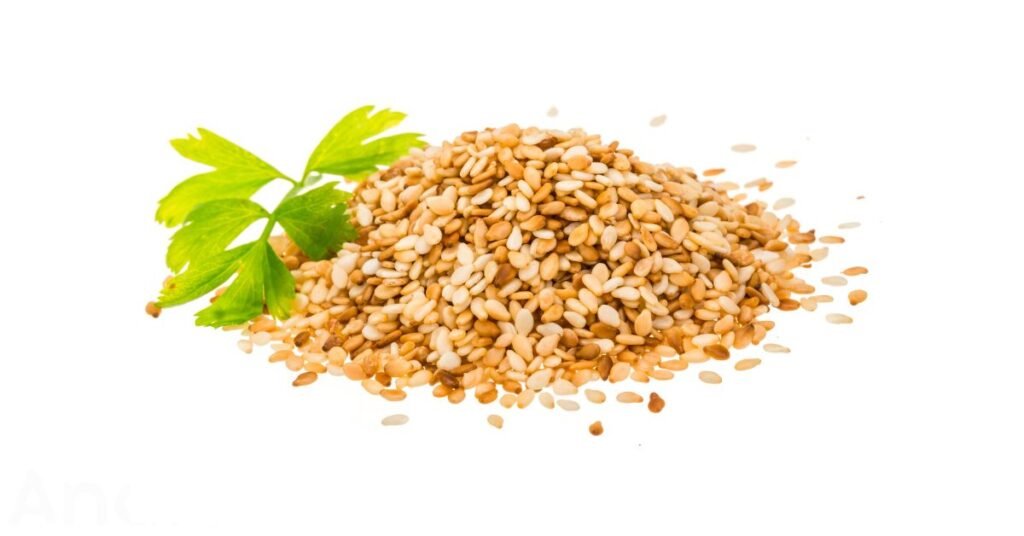
Sesame seeds may look small, but they offer several nutritional benefits. They contain healthy fats, protein, fiber, and important minerals. These nutrients make them a useful addition to a balanced diet. Many people enjoy them because they add flavor and nutrition to everyday meals.
You can find sesame seeds in bread, salads, sauces, snacks, and many other foods. People also use them to make tahini and sesame oil. You can eat them raw, roasted, or ground. Their simple use and rich nutrients make them a popular ingredient in many kitchens.
Different Types of Sesame Seeds
Sesame seeds come in several types, but white, black, and brown sesame seeds are the most common. Each type has a slightly different taste, color, and use. Some have a mild flavor, while others offer a stronger, richer taste. People use these seeds in cooking, baking, and making different food products.
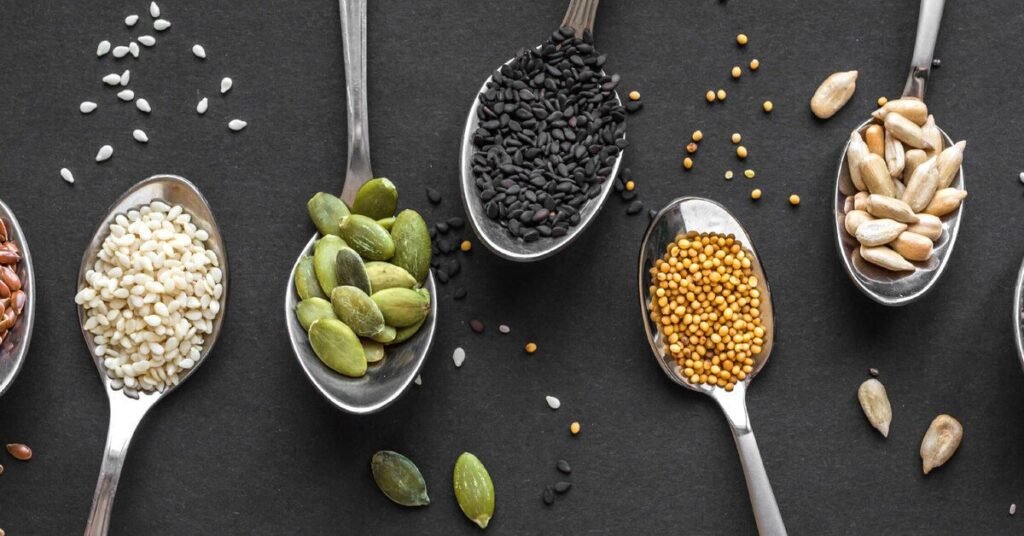
White sesame seeds have a mild, nutty flavor. They are commonly used on bread, burgers, salads, and snacks. Black sesame seeds have a deeper flavor and a slightly earthy taste. They are popular in Asian dishes, desserts, and traditional recipes. Brown sesame seeds have a rich flavor and are also used in different meals.
All three types provide useful nutrients, including healthy fats, protein, fiber, and minerals. However, their nutritional content may vary slightly depending on the variety and processing method. You can choose any type according to your taste and recipe. Adding different sesame seeds to your meals can bring extra flavor and variety to your diet.
White Sesame Seeds
White sesame seeds are the most common type of sesame seeds. They have a light cream or pale white color. These seeds offer a mild and slightly nutty taste. People often use them in everyday cooking and baking. They also add a light crunch to different foods.
White sesame seeds are rich in healthy fats, protein, fiber, and minerals. They contain nutrients such as calcium, iron, and magnesium. These nutrients help support normal body functions. Their mild flavor makes them easy to add to many recipes. You can use them whole, roasted, or ground.
Many people sprinkle white sesame seeds on bread, burgers, salads, and rice dishes. They are also used to prepare tahini and sesame oil. Roasting these seeds can bring out their natural nutty flavor. You can easily include them in your daily meals to add taste and nutrition.
Black Sesame Seeds
Black sesame seeds are a popular variety with a dark black color and a rich taste. They have a slightly stronger and earthier flavor than white sesame seeds. People commonly use them in Asian cooking and traditional recipes. Their bold color also makes different dishes look more attractive.
Black sesame seeds contain healthy fats, protein, fiber, and important minerals. They also provide natural plant compounds with antioxidant properties. These nutrients help support a balanced diet. Their rich flavor makes them a useful ingredient in both sweet and savory foods.
You can add black sesame seeds to salads, rice, noodles, smoothies, and desserts. Some people also use them to prepare sesame paste and other traditional foods. You can enjoy them raw, roasted, or ground. Adding a small amount to your meals is an easy way to enjoy their taste and nutritional value.
Brown Sesame Seeds
Brown sesame seeds are another variety of sesame seeds. They have a light to medium brown color and a pleasant nutty taste. Their flavor is slightly stronger than white sesame seeds. People use them in different traditional dishes, snacks, and baked foods. They add a natural crunch and rich taste to meals.
Brown sesame seeds contain healthy fats, protein, fiber, and essential minerals. They also provide nutrients such as calcium, iron, and magnesium. These nutrients support different body functions. Their nutritional value makes them a useful part of a balanced diet. However, the exact nutrient content can vary depending on the variety.
You can use brown sesame seeds in salads, bread, rice dishes, and homemade snacks. They also work well in sauces and seasoning mixes. Lightly roasting them can improve their nutty flavor. You can add them to your favorite recipes for extra taste and texture.
Sesame Seeds Nutrition Facts
Sesame seeds are small, but they contain many important nutrients. They provide healthy fats, plant-based protein, fiber, and essential minerals. These nutrients help support normal body functions. Sesame seeds also contain calcium, iron, magnesium, and zinc. Their nutritional value makes them a useful addition to a balanced diet.
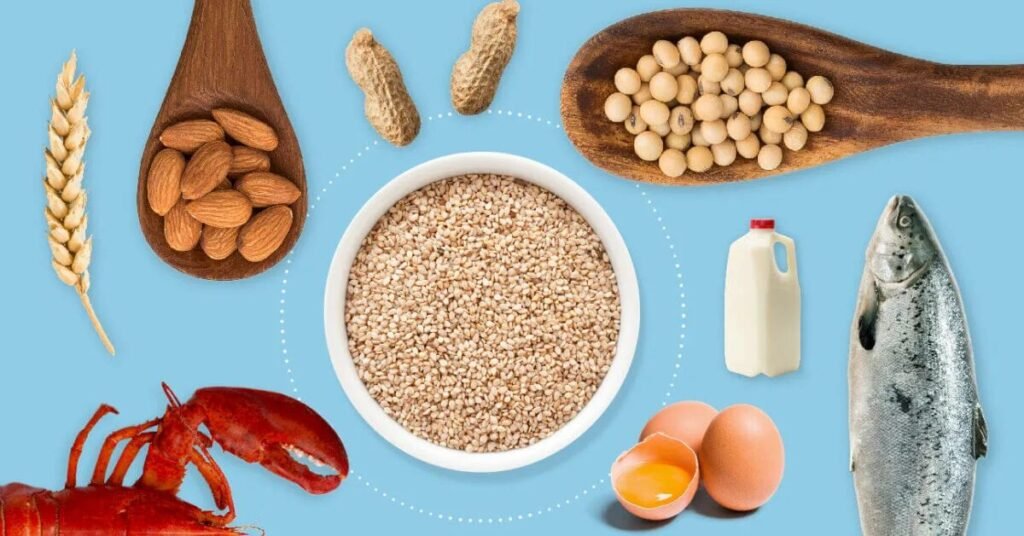
The exact nutrition content depends on the type of sesame seeds and how you prepare them. One tablespoon of whole sesame seeds provides a small amount of several important nutrients. You can add them to salads, bread, smoothies, and other meals. Here is a general nutrition table for one tablespoon (about 9 grams) of whole dried sesame seeds.
Table
| Nutrient | Approximate Amount |
| Calories | 52 kcal |
| Protein | 1.6 g |
| Total Fat | 4.5 g |
| Carbohydrates | 2.1 g |
| Dietary Fiber | 1.1 g |
| Calcium | 88 mg |
| Iron | 1.3 mg |
| Magnesium | 32 mg |
| Phosphorus | 57 mg |
| Potassium | 42 mg |
| Zinc | 0.7 mg |
| Copper | 0.4 mg |
| Manganese | 0.2 mg |
Top Health Benefits of Sesame Seeds
Sesame seeds offer several health benefits because they contain healthy fats, protein, fiber, vitamins, and essential minerals. Adding them to a balanced diet may support heart health, digestion, strong bones, and overall wellness.
Some important benefits include:
- Support healthy heart function.
- Help maintain strong bones.
- Support better digestion.
- Provide antioxidants that protect cells.
- Supply important minerals like calcium and magnesium.
- Add healthy fats and plant-based protein to your diet.
Heart Health
Sesame seeds contain healthy fats that may support heart health. These fats include polyunsaturated and monounsaturated fats. They can help maintain healthy cholesterol levels when used instead of less healthy fats. A balanced diet with these nutrients may support normal heart function.
This also contain antioxidants and plant compounds called lignans. These compounds help protect the body’s cells from damage. Some research suggests that seeds may help support healthy blood pressure and cholesterol levels. However, they cannot replace heart medicines or a healthy lifestyle.
You can add sesame seeds to your daily meals in simple ways. Sprinkle them over salads, vegetables, rice, or homemade bread. You can also use tahini in sauces and dressings. Eating moderate portions as part of a balanced diet can help you enjoy their nutritional benefits.
Bone Health
Sesame seeds contain important minerals that help support strong bones. They provide calcium, magnesium, phosphorus, and zinc. These nutrients play a role in bone growth and maintenance. Adding these seeds to your meals can help increase your daily mineral intake.
Calcium helps build and maintain strong bones. Magnesium supports the way your body uses calcium. Phosphorus also works with calcium to keep bones healthy. It contain these minerals in small amounts, so they can be a useful part of a balanced diet.
You can add these seeds to salads, yogurt, oatmeal, and smoothies. Tahini is another easy way to enjoy them. However, this should not be your only source of bone-supporting nutrients. Include other foods such as milk, leafy green vegetables, nuts, and beans in your daily meals.
Better Digestion
Sesame seeds contain dietary fiber that helps support healthy digestion. Fiber adds bulk to stool and helps food move through the digestive system. Eating enough fiber may also help prevent constipation. This makes these seeds a useful addition to a balanced diet.
Fiber also supports healthy gut bacteria. These bacteria help maintain a balanced digestive system. It provide both fiber and healthy fats. Together, these nutrients can support regular bowel movements and overall gut health.
You can sprinkle sesame seeds over salads, soups, and cooked vegetables. You can also mix them into oatmeal or yogurt. Drink enough water when you increase your fiber intake. Start with small amounts if you do not usually eat high-fiber foods.
Healthy Skin and Hair
Sesame seeds contain nutrients that help support healthy skin and hair. They provide healthy fats, vitamin E, zinc, and antioxidants. These nutrients help protect skin cells from damage. Healthy fats also help maintain the skin’s natural moisture.
Zinc plays an important role in skin repair and growth. It also supports normal hair health. It contain antioxidants that help protect the body from oxidative stress. However, eating seeds alone cannot prevent skin problems or hair loss.
You can add sesame seeds to salads, smoothies, oatmeal, and other meals. Sesame oil is also used in some skincare and hair care products. A balanced diet, enough water, and proper care can help maintain healthy skin and hair.
How Sesame Seeds Support Heart Health
These tiny seeds contain healthy fats that may support heart health. Most of their fat comes from unsaturated fats. These fats can help maintain healthy cholesterol levels when they replace saturated fats in your diet. This makes them a useful choice for balanced meals.
They also contain antioxidants called lignans. These plant compounds help protect cells from oxidative stress. Some research suggests that they may support healthy blood pressure and cholesterol levels. However, they cannot replace heart medicines or medical advice.
You can add them to salads, soups, rice, and cooked vegetables. Tahini also works well in sauces and dressings. Eat them in moderate amounts as part of a balanced diet. Regular exercise and healthy food choices also play an important role in keeping your heart healthy.
Are Sesame Seeds Good for Digestion?
Yes, these tiny seeds can support healthy digestion. They contain dietary fiber, which helps food move through the digestive system. Fiber also adds bulk to stool and supports regular bowel movements. This may help reduce the risk of constipation.
They also provide healthy fats and plant nutrients. Fiber helps feed beneficial gut bacteria. These bacteria play an important role in maintaining gut health. However, this food alone cannot treat digestive problems.
You can add them to salads, soups, yogurt, and oatmeal. Start with a small amount if your body is not used to high-fiber foods. Drink enough water throughout the day. These simple habits can help support better digestion.
Sesame Seeds for Strong Bones
These tiny seeds contain several minerals that help maintain strong and healthy bones. They provide calcium, magnesium, phosphorus, and zinc. These nutrients support bone structure and normal bone function. Adding them to your meals can help increase your mineral intake.
Calcium is important for building and maintaining bones. Magnesium helps your body use calcium properly. Phosphorus also works with calcium to support bone strength. These seeds provide these nutrients, but you should include them as part of a varied and balanced diet.
You can sprinkle them over salads, soups, and cooked vegetables. You can also add them to yogurt, oatmeal, or smoothies. Include other calcium-rich foods, such as milk, leafy greens, and beans. A balanced diet and regular physical activity can help keep your bones strong.
Black vs. White Sesame Seeds
Black and white sesame seeds are popular in many dishes. Both types contain healthy fats, protein, fiber, and important minerals. However, they differ in taste, appearance, and uses. Black seeds have a stronger and slightly bitter taste, while white ones offer a mild and nutty flavor.
Black seeds contain natural plant compounds called antioxidants. Their dark outer layer also provides beneficial nutrients. White ones are often used in bread, sauces, salads, and baked foods. They are also a common ingredient in tahini. Both types can support a balanced diet.
The choice between these two varieties depends on your taste and recipe. Use black seeds when you want a stronger flavor and darker color. Choose white ones for a mild taste and light appearance. You can also mix both types to add flavor, texture, and variety to your meals.
Different Ways to Eat Sesame Seeds
Sesame seeds are easy to add to many everyday meals. You can sprinkle them over salads, soups, and cooked vegetables. They also taste great on bread, sandwiches, and homemade burgers. Their mild, nutty flavor adds a pleasant crunch to different dishes.
You can mix these tiny seeds into oatmeal, yogurt, and smoothies. Toasting them lightly can bring out their natural flavor. Tahini is another popular option made from ground seeds. You can use it in dips, sauces, and salad dressings. They also work well in homemade cookies and energy bars.
Another simple way to enjoy them is to add them to rice and stir-fried vegetables. You can also mix them into homemade spice blends. Both black and white varieties work in many recipes. Choose the type you enjoy and use moderate portions as part of a balanced diet.
Sesame Oil and Its Common Uses
Sesame oil comes from pressed sesame seeds. It has a rich taste and a pleasant aroma. Many people use it in cooking because it adds a nutty flavor to food. The oil contains unsaturated fats and natural plant compounds. These nutrients can be part of a balanced diet.
Sesame oil works well in stir-fried vegetables, noodles, rice, and sauces. Light sesame oil has a mild flavor and suits everyday cooking. Toasted sesame oil has a stronger taste. People often use it as a finishing oil in small amounts. It can also add flavor to marinades and salad dressings.
Sesame oil is also used in some skin and hair care products. Some people apply it to help moisturize dry skin. However, it may cause irritation or an allergic reaction in sensitive people. Always check the product label before using it. Choose food-grade sesame oil for cooking and store it in a cool, dark place.
Possible Side Effects of Sesame Seeds
These seeds are healthy for many people, but they may cause problems in some cases. Some people have a sesame allergy. It can lead to itching, skin rashes, swelling, or stomach discomfort. Severe allergic reactions may cause breathing problems and require emergency medical care.
Eating too many may also cause digestive discomfort. Their fiber content can lead to gas, bloating, or stomach pain, especially when you eat large amounts suddenly. They are also high in calories because they contain natural fats. Large portions may add extra calories to your daily diet.
People with an allergy should avoid these seeds and products made from them. Always check food labels because sesame can appear in sauces, breads, and packaged snacks. If you experience an allergic reaction, stop eating the product and seek medical advice. Enjoy them in moderate amounts if you can safely eat them.
How to Store Sesame Seeds Properly
Proper storage helps keep these tiny seeds fresh and flavorful for a longer time. Always keep them in an airtight container. This protects them from moisture, air, and dust. A clean glass jar or food-safe plastic container works well.
Store them in a cool, dry, and dark place. Keep the container away from direct sunlight and heat. High temperatures can affect their natural oils and taste. You can also place the container in the refrigerator to maintain freshness for a longer period.
Always check the seeds before using them. Fresh ones should have a mild, nutty smell. If they develop a bitter taste, unpleasant smell, or signs of mold, throw them away. Write the storage date on the container to track their freshness. These simple steps can help you enjoy better-quality seeds.
How Many Sesame Seeds Should You Eat Daily?
A small amount of these seeds can add useful nutrients to your daily diet. Most people can enjoy about one to two tablespoons per day. This amount provides healthy fats, protein, fiber, and important minerals. However, your ideal portion may depend on your diet and health needs.
You can add them to salads, soups, yogurt, oatmeal, or other meals. They also work well in smoothies and homemade snacks. Start with a small amount if you do not usually eat high-fiber foods. This can help your digestive system adjust comfortably.
These seeds contain healthy fats, but they also provide calories. Eating too many may increase your daily calorie intake. Some people may also experience bloating or stomach discomfort after eating large amounts. Enjoy them in moderate portions as part of a balanced diet.
Conclusion
Sesame seeds are small, but they offer several useful nutrients. They contain healthy fats, protein, fiber, calcium, magnesium, and antioxidants. These nutrients may support heart health, digestion, strong bones, skin, and overall wellness. You can enjoy them in salads, soups, smoothies, and many other meals.
Adding sesame seeds to your daily diet is an easy way to improve your meals. Choose black, white, or brown seeds according to your taste. Eat them in moderate amounts and include other nutritious foods in your diet. A balanced eating routine can help you enjoy their benefits and support your overall health.
FAQs
1. What are the main benefits of sesame seeds?
Sesame seeds provide healthy fats, protein, fiber, and minerals. They may support heart health, digestion, and strong bones.
2. How many sesame seeds should I eat daily?
Most people can enjoy one to two tablespoons of sesame seeds daily as part of a balanced diet.
3. Are black sesame seeds healthier than white sesame seeds?
Both types offer useful nutrients. Black sesame seeds have a stronger flavor, while white sesame seeds taste milder.
4. Do sesame seeds help with digestion?
Yes, sesame seeds contain fiber that supports regular bowel movements and healthy digestion.
5. Can eating sesame seeds cause side effects?
Yes, large amounts may cause bloating or stomach discomfort. People with a sesame allergy should avoid them.
Related Posts

10 Things to Know About the Screwdriver Drink
A screwdriver drink is a classic cocktail made with vodka…

How the Food Industry in Mexico Is Growing and Changing
The food industry in Mexico includes businesses that grow, produce,…

Food Grade Mineral Oil: Uses, Benefits, and Safety
Food-grade mineral oil is a highly refined mineral oil made…
One Reply to “Sesame Seeds Benefits: Are They Good for Your Health? ”