The food industry in Mexico includes businesses that grow, produce, process, package, and sell food and drinks. It covers farms, food factories, restaurants, markets, and many other businesses. This industry plays an important role in Mexico’s economy and daily life.
The food industry in Mexico is changing faster than ever. New food trends, modern technology, and changing customer choices are shaping the market. At the same time, traditional Mexican foods remain an important part of the industry.
This article explores how Mexico’s food industry is growing and changing. It looks at major trends, new opportunities, and the role of technology. It also explains how traditional food continues to influence the modern market.
Food Industry Mexico: An Overview of the Market
The food industry in Mexico includes farming, food processing, manufacturing, packaging, retail, and restaurants. It serves millions of people every day. Mexico produces many foods, including corn, beans, fruits, vegetables, meat, and seafood. These products support both local markets and international trade.
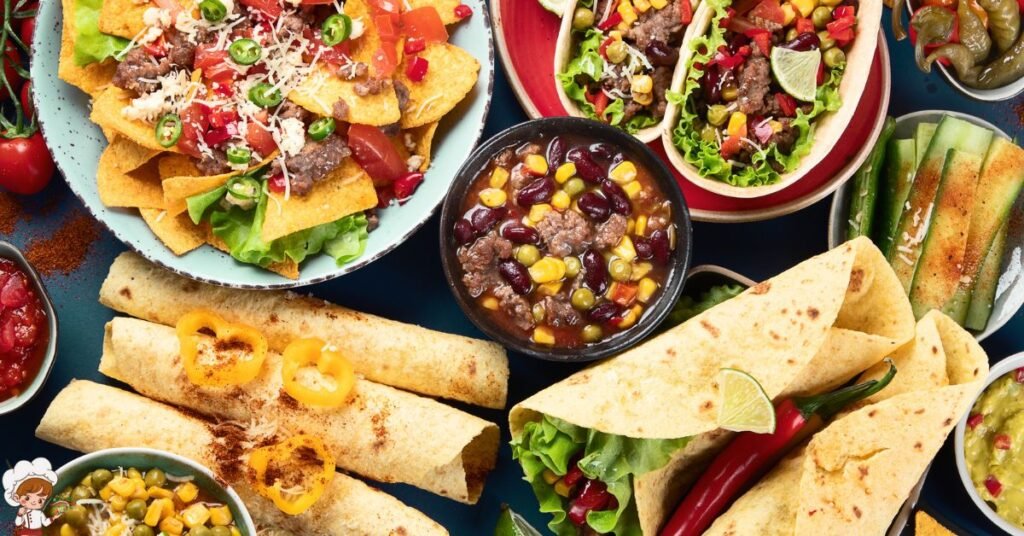
Mexico has a large and diverse food market. Traditional foods remain popular across the country. At the same time, consumers are showing interest in healthier meals, convenient foods, and new flavors. Food companies continue to develop products that match these changing needs.
The industry also creates many jobs and supports different businesses. Small food producers work alongside large companies. Modern technology is improving production, storage, and distribution. As demand grows, the food industry in Mexico continues to change and create new opportunities.
How Mexico’s Food Industry Supports the Economy
The food industry plays an important role in Mexico’s economy. It supports farmers, food producers, factories, retailers, restaurants, and transport businesses. Millions of people earn income through different parts of the food supply chain. This makes the industry an important source of jobs.
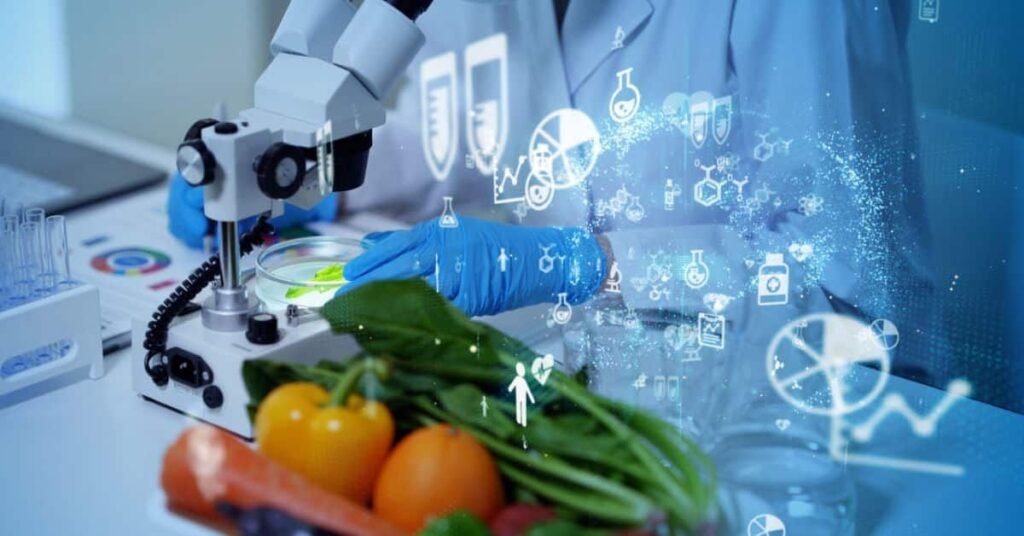
Food production also supports local communities. Farmers sell crops and other products to food businesses. Factories process these raw materials into products for stores and markets. Restaurants and retailers then connect these products with customers. This process helps money move through many parts of the economy.
Mexico also exports many food and beverage products to other countries. These exports bring income into the country and create more business opportunities. As demand for Mexican food continues to grow, the industry can support further investment, employment, and economic growth.
Major Sectors Within the Mexican Food Industry
The Mexican food industry has many important sectors. Agriculture supplies crops, fruits, vegetables, grains, and other raw materials. Meat, dairy, seafood, and beverage production also form major parts of the market. These sectors help meet the daily food needs of people across the country.
Food processing is another important sector. Companies turn raw ingredients into packaged and ready-to-eat products. Bakeries, snack producers, beverage companies, and frozen food businesses serve a wide range of customers. Supermarkets, local shops, and food markets then bring these products to consumers.
Restaurants and food service businesses also support the industry. They include small family restaurants, street food sellers, cafés, and large restaurant chains. Food delivery has added another growing area to the market. Together, these sectors create jobs and keep the Mexican food industry active and diverse.
Traditional Mexican Foods and Their Market Value
Traditional Mexican foods are an important part of the country’s food culture and economy. Foods such as tacos, tamales, mole, pozole, and enchiladas attract local people and visitors. Many traditional dishes use simple local ingredients like corn, beans, chili peppers, tomatoes, and spices. Their popularity creates opportunities for farmers, food producers, restaurants, street vendors, and food retailers.
These foods also have strong commercial value. Restaurants and food businesses use traditional recipes to attract customers and build their brands. Packaged sauces, tortillas, snacks, and other Mexican food products also reach international markets. The table below shows some popular traditional foods and their role in the food industry.
Table
| Traditional Food | Main Ingredients | Common Selling Places | Market Value |
| Tacos | Tortillas, meat, vegetables, salsa | Street stalls, restaurants, food trucks | High |
| Tamales | Corn dough, fillings, chili sauce | Markets, street vendors, restaurants | High |
| Mole | Chili peppers, spices, nuts, chocolate | Restaurants, markets, packaged food stores | High |
| Pozole | Corn, meat, chili, herbs | Restaurants, local food shops | Medium to High |
| Enchiladas | Tortillas, sauce, cheese, meat | Restaurants, cafés, homes | High |
| Chiles Rellenos | Poblano peppers, cheese, meat | Restaurants, local eateries | Medium |
| Quesadillas | Tortillas, cheese, fillings | Street stalls, cafés, restaurants | High |
| Guacamole | Avocado, onion, lime, chili | Restaurants, supermarkets, food services | High |
| Elote | Corn, cheese, chili, lime | Street vendors, markets | Medium |
| Sopes | Corn dough, beans, meat, toppings | Street stalls, restaurants | Medium |
| Pan de Muerto | Flour, sugar, eggs, butter | Bakeries, supermarkets | Seasonal High |
| Mexican Hot Chocolate | Cocoa, milk or water, cinnamon | Cafés, markets, supermarkets | Medium |
How Agriculture Supplies the Food Industry in Mexico
Agriculture provides many of the raw ingredients used by the food industry in Mexico, including corn, beans, fruits, vegetables, grains, meat, and dairy products. These farm products move through markets, processing plants, restaurants, and stores before reaching consumers.
- Corn: Used for tortillas, tamales, and many other foods.
- Beans: A common ingredient in traditional Mexican meals.
- Fruits and vegetables: Supply fresh produce and processed food businesses.
- Meat and dairy: Support restaurants, food factories, and retailers.
- Grains and crops: Provide ingredients for bread, snacks, cereals, and other products.
Food Processing and Manufacturing in Mexico
Food processing is a major part of Mexico’s food industry. Companies turn fresh farm products into packaged and ready-to-use foods. They process ingredients such as corn, wheat, fruits, vegetables, meat, and dairy products. This process helps food reach consumers in a safe and convenient form.
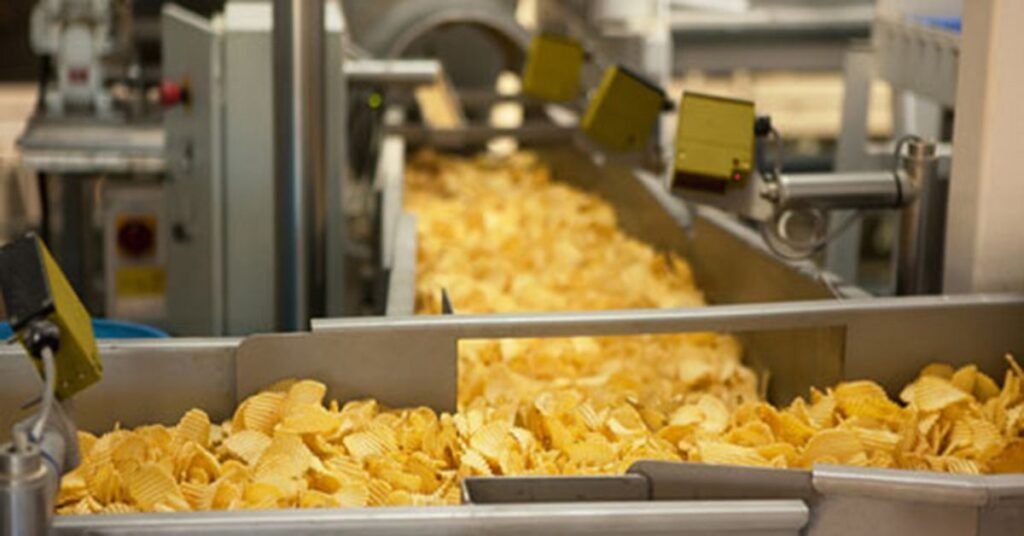
Mexico has many food manufacturing businesses. They produce items such as tortillas, bread, snacks, sauces, canned foods, frozen meals, dairy products, and beverages. Large factories handle high-volume production, while smaller businesses focus on local and traditional foods. Modern equipment helps companies improve speed, quality, and storage.
Food manufacturing also creates jobs and supports other businesses. Packaging companies, transport services, farmers, and retailers all benefit from this sector. As consumer demand changes, manufacturers continue to develop healthier, convenient, and innovative food products.
Mexico’s Most Important Food and Beverage Exports
Mexico exports many food and beverage products to markets around the world. Fruits, vegetables, meat, seafood, and processed foods form an important part of these exports. Popular products include avocados, tomatoes, berries, beer, tequila, and baked goods. These products help Mexican businesses reach customers beyond the local market.
Fresh produce is one of Mexico’s strongest export areas. Avocados, tomatoes, berries, peppers, and other fruits and vegetables have strong demand in international markets. Mexican producers also export beef, pork, seafood, and other animal products. Good farming conditions and a wide range of crops support this trade.
Beverages also have a major role in Mexico’s export market. Mexican beer and tequila are well known in many countries. Packaged foods, sauces, spices, and other processed products are also gaining attention. These exports create business opportunities and help support jobs across the food industry.
How Technology Is Changing Food Production in Mexico
Technology is changing how food is grown and produced in Mexico. Farmers now use modern tools to monitor crops, manage water, and improve soil conditions. Machines can also reduce manual work and save time. These methods help producers improve efficiency and manage resources more carefully.
Food factories are also using advanced technology. Automated machines can sort, process, package, and label food products quickly. Digital systems help companies track ingredients and manage production. Better storage and cooling equipment can also help protect food quality and reduce waste.
Technology is creating new opportunities across the food industry in Mexico. Farmers and food companies can use data to make better decisions and respond to changing demand. As technology continues to develop, Mexican food producers can improve productivity, quality, and distribution.
Smart Farming and Modern Production Methods
Smart farming uses modern tools to make farming more efficient. Mexican farmers can use sensors, drones, GPS systems, and digital platforms to monitor crops and soil. These tools provide useful information about water, weather, and plant health. Farmers can then make better decisions and reduce unnecessary resource use.
Modern production methods also improve farm work. Automated irrigation systems can deliver water where it is needed. Machines can help with planting, harvesting, and other tasks. Greenhouses and controlled growing systems can also help farmers manage temperature and protect crops from difficult weather.
These methods can support the wider food industry in Mexico. Better farming can provide a steady supply of quality ingredients for food processors and manufacturers. As more farmers adopt useful technology, Mexico can improve productivity while using land and water more carefully.
Automation and Food Processing Technology
Automation is changing the way food companies work in Mexico. Machines can handle tasks such as sorting, cutting, mixing, cooking, and packaging. This helps workers save time and maintain consistent production. Automated systems can also reduce mistakes during repetitive tasks.
Food processing technology improves safety and product quality. Modern equipment can control temperature, storage conditions, and processing times more accurately. Digital tracking systems help companies monitor ingredients from production to packaging. These tools also make it easier to identify problems during the production process.
Automation can help the food industry in Mexico meet growing consumer demand. Food companies can produce larger quantities while maintaining consistent standards. As technology develops, more businesses may adopt automated equipment to improve efficiency, reduce waste, and strengthen their position in the market.
Popular Food Trends Shaping Mexico’s Market
Food choices in Mexico are changing with new lifestyles and customer preferences. Many people now look for healthier meals, fresh ingredients, and balanced options. Plant-based foods, natural products, and lower-sugar drinks are also gaining attention. These trends encourage food businesses to create new products.
Convenience is another strong trend in the market. Ready-to-eat meals, packaged foods, frozen products, and food delivery services help busy consumers save time. Online ordering has also made it easier to explore different meals from home. Younger consumers often show interest in new flavors and creative food options.
Traditional Mexican food still has a strong place in the market. Tacos, tamales, tortillas, and other local dishes remain popular. Many businesses now combine traditional flavors with modern ideas. These changing preferences continue to influence the food industry in Mexico and create new opportunities for food producers and sellers.
The Growth of Restaurants, Retailers, and Food Delivery
Restaurants play an important role in Mexico’s growing food market. People enjoy both traditional dishes and modern meals. Small local restaurants, street food sellers, cafés, and large chains serve different customer needs. This variety creates jobs and supports many businesses across the food sector.
Retailers also connect food producers with consumers. Supermarkets, local stores, markets, and convenience shops offer a wide range of products. Customers can find fresh ingredients, packaged foods, snacks, and drinks in these outlets. Online grocery shopping is also giving consumers more ways to buy food.
Food delivery has added another growing part to the market. Mobile apps and online platforms allow customers to order meals from restaurants without leaving home. This service helps restaurants reach more customers and gives people greater convenience. Together, restaurants, retailers, and delivery services continue to strengthen the food industry in Mexico.
Key Challenges Facing the Food Industry in Mexico
The food industry in Mexico faces several challenges as it continues to grow. Rising production and transportation costs can make food more expensive. Small food businesses may also struggle with limited resources and strong competition. Weather changes can affect crops and create supply problems.
Food waste is another important concern. Poor storage and transportation can cause fresh products to spoil before they reach consumers. Some businesses also face difficulties with maintaining consistent food quality and safety. Better storage systems and careful supply management can help reduce these problems.
The industry also needs to respond to changing consumer needs. People are becoming more interested in healthy, affordable, and convenient foods. Food companies must balance these demands while protecting the environment and managing costs. Finding practical solutions can help the Mexican food industry remain strong and competitive.
Sustainability and the Future of Food Production in Mexico
Sustainability is becoming more important for food production in Mexico. Farmers and food companies are looking for ways to use water, land, and energy more carefully. Better irrigation, efficient farming methods, and less chemical use can help protect natural resources. These practices can also support long-term food production.
Reducing food waste is another important goal. Food producers can improve storage, packaging, and transportation to keep products fresh for longer. Renewable energy and energy-efficient equipment can also reduce the environmental impact of food businesses. Small changes across the supply chain can make a useful difference.
The future of food production in Mexico will depend on innovation and responsible practices. Farmers, manufacturers, retailers, and consumers all have a role to play. As sustainable methods become more common, the food industry in Mexico can continue to grow while using resources more responsibly.
What the Future Holds for the Food Industry in Mexico
The future of the food industry Mexico looks promising. Consumer needs will continue to change with new lifestyles and food preferences. People may seek healthier, more convenient, affordable, and locally produced foods. Food businesses will need to understand these changes and create products that match customer needs.
Technology will also shape the future of the industry. Smart farming, automation, digital ordering, and improved food storage can make production more efficient. Businesses may use better technology to reduce waste and improve product quality. These changes can help both small producers and large food companies compete in a growing market.
Sustainability will remain an important part of future growth. Food businesses can save water, reduce waste, and use energy more efficiently. Traditional Mexican foods will also continue to hold strong cultural and commercial value. By combining tradition, innovation, and responsible production, Mexico can build a stronger and more competitive food industry.
Conclusion
The food industry in Mexico is an important part of the country’s economy and culture. It supports farmers, food producers, restaurants, retailers, and many other businesses. Traditional foods remain popular, while new trends and technologies continue to shape the market.
The future of the industry offers many opportunities. Better technology, sustainable farming, and modern food production can support further growth. With the right approach, Mexico can continue to build a strong and diverse food industry.
FAQs
1. What is the food industry in Mexico?
The food industry in Mexico includes farming, food processing, manufacturing, restaurants, retailers, and food delivery services.
2. What foods are important to Mexico’s food industry?
Corn, beans, avocados, tomatoes, meat, seafood, tortillas, tacos, and many traditional foods are important to the market.
3. Does Mexico export food products?
Yes. Mexico exports products such as avocados, berries, tomatoes, beer, tequila, meat, and processed foods.
4. How is technology changing Mexico’s food industry?
Technology helps farmers improve production and allows food companies to automate processing, packaging, storage, and distribution.
5. What challenges does the food industry in Mexico face?
The industry faces challenges such as rising costs, food waste, resource management, changing consumer needs, and sustainability concerns.
Related Posts
Food Grade Mineral Oil: Uses, Benefits, and Safety
Food-grade mineral oil is a highly refined mineral oil made…

10 Delicious Foods You Should Try in Russia and Food Culture
Russia and food are closely connected to the country’s history…

10 Things to Know About Mist Twist Drink
Mist Twist drink is a soft drink that people may…