Soup stock is a flavorful liquid made by slowly cooking vegetables, meat, bones, or herbs in water. It adds a rich taste to soups, sauces, rice, and many other dishes. Homemade stock is simple and can be made with basic kitchen ingredients.
A good soup stock can make an ordinary meal taste much better. The slow-cooking process brings out deep flavors in the ingredients. Once you learn the basic method, you can prepare stock easily at home.
In this guide, you will learn how to make soup stock with simple ingredients and easy steps. You will also discover helpful tips for cooking, storing, and using homemade stock. It is a useful kitchen skill for beginners and home cooks.
What Is Soup Stock and Why Is It Important?
Soup stock is a flavorful liquid made by cooking ingredients in water. It often includes vegetables, herbs, meat, or bones. The slow cooking process helps release flavor and nutrients into the water. Stock can then become the base for many tasty dishes.

Soup stock is important because it adds depth and richness to food. It can make soups, sauces, stews, and rice taste much better. Homemade stock also lets you control the ingredients and amount of salt. This makes it a useful choice for everyday cooking.
You can make soup stock with simple ingredients from your kitchen. Leftover vegetables, chicken bones, or herbs can work well. The ingredients simmer together until the liquid becomes rich and flavorful. Once ready, you can use the stock immediately or save it for later.
Essential Ingredients for Homemade Soup Stock
Homemade soup stock needs a few simple ingredients. Vegetables like onions, carrots, and celery add a fresh, savory flavor. Garlic can also bring extra flavor. You can use chicken, beef, or vegetable ingredients based on the type of stock you want.

Herbs and spices can make the stock more flavorful. Bay leaves, parsley, thyme, and black pepper work well. You can also add a small amount of salt, but it is better to keep it light. This gives you more control when you use the stock in other recipes.
Water is the main ingredient that brings everything together. Use enough water to cover the ingredients in the pot. Fresh ingredients usually give the best flavor, but kitchen leftovers can also work well. Simple ingredients can create a rich and useful stock when they simmer.
Vegetables and Aromatics
Vegetables give homemade soup stock a fresh and balanced flavor. Onions, carrots, and celery are common choices. You can also add leeks, mushrooms, or tomatoes for extra taste. Cut the vegetables into large pieces so they can cook slowly without falling apart too quickly.
Aromatics add more depth to the stock. Garlic, ginger, parsley, thyme, and bay leaves work well in many recipes. You can also add black peppercorns for a mild spicy note. Use a few aromatics at a time so their flavors do not overpower the stock.
You do not need perfect-looking vegetables for stock. Scraps such as carrot ends, celery leaves, and onion skins can add useful flavor. Wash them well before use. Avoid spoiled or moldy vegetables, as they can affect the taste and safety of your stock.
Bones, Meat, or Chicken
Bones can give soup stock a rich taste and full body. Chicken bones work well for light and comforting stock. Beef bones create a deeper and stronger flavor. You can use leftover bones from cooked meals or fresh bones from a butcher.
Meat adds extra flavor and makes the stock more satisfying. Chicken pieces can create a mild and versatile stock. Beef or lamb can give the stock a richer taste. Choose fresh ingredients and remove excess fat when needed.
Roasting bones before cooking can add a deeper flavor. Place them in the oven until they turn a nice brown color. Then add them to a pot with water and vegetables. Simmer the mixture to bring out the best flavor from the bones and meat.
Herbs, Spices, and Seasonings
Herbs and spices add extra flavor to homemade soup stock. Common choices include bay leaves, parsley, thyme, rosemary, and black peppercorns. Fresh herbs give a bright taste, while dried herbs offer a stronger flavor. Use them in small amounts to keep the stock balanced.
You can also add simple seasonings to improve the taste. Garlic, ginger, and whole peppercorns work well in many types of stock. A little salt can help, but avoid adding too much during cooking. You can adjust the seasoning later when you use the stock in a recipe.
The right combination depends on the type of stock you make. Chicken stock pairs well with thyme, parsley, and garlic. Beef stock can work nicely with bay leaves and peppercorns. Vegetable stock often tastes good with herbs, onions, and garlic.
How to Choose the Best Ingredients for Soup Stock
Choose fresh ingredients when making soup stock. Look for firm vegetables without mold or soft spots. Fresh chicken, beef, or clean bones can give the stock a rich taste. Herbs should smell fresh and have a good color. You can also use clean vegetable scraps to reduce food waste.
The right ingredients depend on the type of stock you want. Use chicken bones for a light and savory stock. Choose beef bones for a deeper flavor. Vegetables work well for a simple meat-free stock. Use herbs and spices in small amounts so they support the main flavors instead of hiding them.
Table
| Ingredient | What to Look For | Flavor It Adds | Best For |
| Onions | Firm and fresh | Sweet and savory | All types of stock |
| Carrots | Crisp and bright | Mild sweetness | Chicken and vegetable stock |
| Celery | Fresh and firm | Fresh, earthy taste | Chicken and vegetable stock |
| Leeks | Clean and firm | Mild onion flavor | Vegetable and chicken stock |
| Mushrooms | Fresh and dry | Deep, earthy flavor | Vegetable stock |
| Chicken bones | Clean and fresh | Rich, savory flavor | Chicken stock |
| Beef bones | Fresh and meaty | Strong, deep flavor | Beef stock |
| Garlic | Firm cloves | Warm, savory taste | Most stocks |
| Parsley | Fresh and green | Light herbal flavor | Chicken and vegetable stock |
| Thyme | Fresh or dried | Earthy herbal taste | Chicken and beef stock |
| Bay leaves | Whole and aromatic | Mild herbal flavor | Most stocks |
| Black peppercorns | Whole and fresh | Gentle spice | Most stocks |
How to Make Soup Stock Step by Step
Making soup stock at home is easy when you follow a few simple steps and let the ingredients simmer. Start with fresh ingredients, add enough water, and cook the mixture until it develops a rich flavor.
- Wash and prepare the ingredients.
- Add vegetables, bones, meat, or herbs to a large pot.
- Pour in enough water to cover the ingredients.
- Bring the mixture to a gentle boil.
- Reduce the heat and simmer.
- Skim off excess foam or fat when needed.
- Strain the stock and remove the solid ingredients.
- Let the stock cool before storing it.
Preparing the Ingredients
Start by choosing fresh and clean ingredients for your soup stock. Wash vegetables well to remove dirt and dust. Peel onions, carrots, or other vegetables when needed. Cut large vegetables into medium-sized pieces so they cook evenly.
If you use bones or meat, rinse them properly and remove unwanted pieces. You can roast the bones first if you want a deeper flavor. Fresh chicken, beef, or vegetable ingredients can all work well. Keep the ingredients ready before you start cooking.
Prepare your herbs and spices as well. Wash fresh herbs and remove damaged leaves. Measure spices such as peppercorns and bay leaves before adding them to the pot. Good preparation helps the stock cook smoothly and develop a balanced flavor.
Combining Ingredients With Water
Place the prepared vegetables, bones, meat, or herbs into a large pot. Add enough cold water to cover all the ingredients. Leave some space at the top of the pot to prevent spills. Cold water helps the ingredients release their flavors slowly as the stock heats.
Avoid adding too much water because it can make the stock weak. You can add more water later if needed. Keep the ingredients mostly covered during cooking. This helps create a rich and flavorful liquid.
Bring the water to a gentle simmer over medium heat. Avoid a rapid boil, as it can make the stock cloudy and affect its texture. Once the stock starts simmering, lower the heat and let the ingredients cook slowly.
Simmering the Stock Slowly
Once the stock starts to heat, lower the flame and let it simmer gently. A slow simmer helps vegetables, bones, meat, and herbs release their flavors into the water. Keep the heat low and avoid a strong boil.
Let the stock cook for several hours when using bones or meat. Check the pot from time to time and remove foam or excess fat from the surface. Add a little water if the liquid level becomes too low during cooking.
Slow simmering creates a richer and more flavorful stock. The longer cooking time allows the ingredients to blend well. When the stock develops a pleasant aroma and deep flavor, turn off the heat and prepare it for straining.
Straining the Finished Stock
Once the stock finishes cooking, turn off the heat and let it cool slightly. Place a fine-mesh strainer over a large bowl or clean pot. Slowly pour the stock through the strainer to separate the liquid from the bones, meat, vegetables, and herbs.
Press the ingredients gently with a spoon to release extra liquid. Avoid pressing too hard, as this can make the stock cloudy. Discard the solid ingredients after straining. The clear liquid should have a rich aroma and smooth texture.
Let the strained stock cool before storing it. You can use it right away in soups, sauces, rice, and stews. If you plan to save it, transfer the stock to clean containers and refrigerate or freeze it promptly.
How Long Should You Cook Soup Stock?
The cooking time depends on the type of stock you make. Vegetable stock usually needs about 45 minutes to 1 hour. Chicken stock can take around 2 to 4 hours. Beef stock often needs 4 to 6 hours for a deeper flavor.
Keep the stock at a gentle simmer instead of a rapid boil. Check the pot from time to time and add water if the ingredients become uncovered. Skim off foam or excess fat when needed to keep the stock clean and flavorful.
You do not always need to cook stock for many hours. Stop cooking when the liquid has a rich aroma and a good flavor. Strain the stock afterward and use it in soups, sauces, rice, or stews.
Different Types of Soup Stock to Make at Home
You can make different types of soup stock at home with simple ingredients. Chicken stock has a light and savory flavor. Beef stock tastes deeper and richer. Vegetable stock offers a fresh option without meat.
Fish stock has a delicate flavor and works well in seafood dishes. You can also make stock from turkey, lamb, or leftover bones. Each type gives your meals a different taste and aroma.
Choose the stock based on the dish you want to prepare. Chicken stock works well in soups, rice, and sauces. Beef stock suits hearty soups and stews. Vegetable stock is useful for pasta, grains, and meat-free meals.
Chicken Stock
Chicken stock is a simple and flavorful base for many dishes. You can make it with chicken bones, meat, vegetables, and herbs. The bones add richness, while vegetables such as onions, carrots, and celery create a balanced taste.
To make chicken stock, place the ingredients in a large pot and cover them with water. Bring the mixture to a gentle simmer and cook it slowly for about 2 to 4 hours. Remove foam from the surface when needed and keep the heat low.
After cooking, strain the stock through a fine-mesh strainer. Let it cool before storing it in the refrigerator or freezer. Homemade chicken stock works well in soups, sauces, rice, stews, and other recipes.
Beef Stock
Beef stock has a rich and deep flavor. You can make it with beef bones, meat, vegetables, and herbs. Bones add body to the stock, while onions, carrots, and celery bring a balanced taste.
Place the beef bones and other ingredients in a large pot. Add enough water to cover them and bring the mixture to a gentle simmer. Cook it slowly for about 4 to 6 hours, and remove foam or excess fat when needed.
Strain the finished stock through a fine-mesh strainer. Let it cool before placing it in the refrigerator or freezer. Beef stock works well in soups, stews, sauces, gravies, and other hearty dishes.
Vegetable Stock
Vegetable stock is a light and flavorful option for homemade cooking. You can make it with onions, carrots, celery, garlic, mushrooms, and herbs. These ingredients create a fresh and savory taste without using meat.
Place the vegetables and herbs in a large pot and add enough water to cover them. Bring the mixture to a gentle simmer and cook it for about 45 minutes to 1 hour. Avoid boiling it too hard, as gentle cooking helps keep the flavor balanced.
Strain the finished stock through a fine-mesh strainer and remove the solid ingredients. Let it cool before storing it in the refrigerator or freezer. Vegetable stock works well in soups, sauces, rice, pasta, and many other meat-free dishes.
Fish Stock
Fish stock is a light and flavorful base for seafood dishes. You can make it with fish bones, heads, vegetables, and fresh herbs. Ingredients such as onions, celery, and parsley add a gentle and balanced taste.
Place the fish bones and prepared ingredients in a large pot. Add enough cold water to cover them and bring the mixture to a gentle simmer. Cook the stock for about 20 to 30 minutes, and avoid overcooking the fish parts because they can create a bitter taste.
Strain the finished stock through a fine-mesh strainer to remove the solid pieces. Let it cool before storing it in the refrigerator or freezer. Fish stock works well in seafood soups, sauces, rice dishes, and stews.
How to Make Soup Stock Without Bones
You can make flavorful soup stock without using bones. Use vegetables such as onions, carrots, celery, mushrooms, and garlic for a rich base. Add fresh herbs and spices to give the stock more depth and aroma.
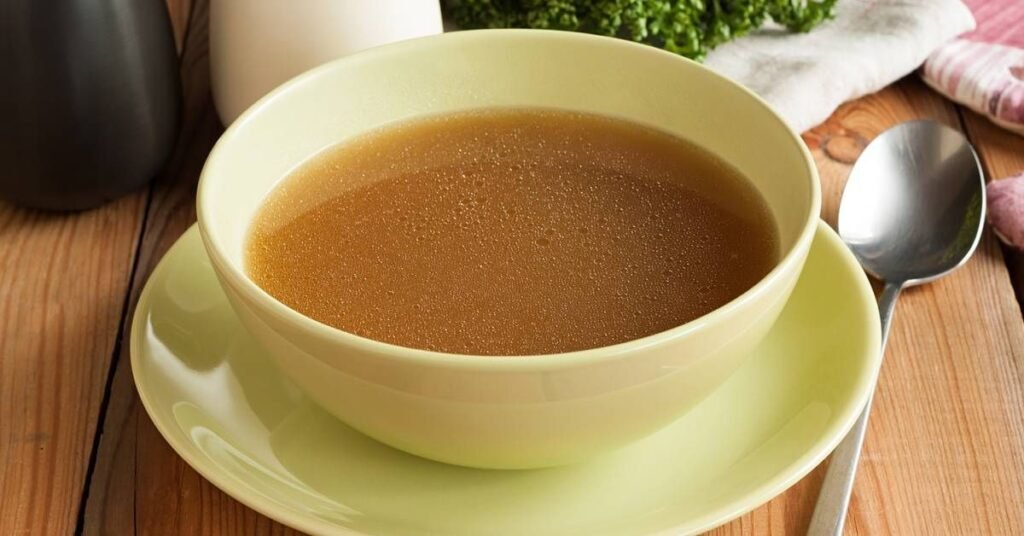
Place the vegetables and herbs in a large pot and cover them with water. Bring the mixture to a gentle simmer and cook for about 45 minutes to 1 hour. Stir occasionally and add a little water if the liquid becomes too low.
Strain the stock through a fine-mesh strainer when it develops a good flavor. Let it cool before storing it in the refrigerator or freezer. Bone-free stock works well in soups, sauces, rice, pasta, and other dishes.
Tips for Making Rich and Flavorful Soup Stock
Use fresh vegetables, bones, meat, or herbs to build a strong flavor. Roast bones and vegetables before cooking if you want a deeper taste. Choose ingredients that work well together and avoid using too many strong spices.
Keep the stock at a gentle simmer for the best results. A slow cooking process helps the flavors blend naturally. Skim foam and excess fat from the surface when needed. Check the water level during cooking and add more if necessary.
Season the stock lightly while it cooks. Too much salt can make the final dish taste too salty. Strain the stock carefully after cooking to remove solid pieces. Let it cool properly, then store it for future meals.
Common Mistakes to Avoid When Making Soup Stock
One common mistake is using too much water. Excess water can make the stock taste weak. Avoid using spoiled vegetables or old meat because they can affect the flavor and quality. Always choose fresh and clean ingredients.
Another mistake is boiling the stock too strongly. A gentle simmer helps the ingredients release their flavors slowly. Cooking at high heat can make the stock cloudy and greasy. Also, avoid adding too much salt during cooking because the flavor can become too strong.
Do not skip the straining step after cooking. Solid pieces can make the stock less smooth and harder to use. Cool the finished stock properly before storing it. These simple steps can help you make a cleaner and more flavorful soup stock.
How to Store Homemade Soup Stock Safely
Let the homemade soup stock cool slightly after cooking. Do not leave it at room temperature for a long time. Transfer the stock into clean, shallow containers to help it cool faster. Place the containers in the refrigerator as soon as possible.
Keep the stock in the refrigerator if you plan to use it within a few days. For longer storage, pour the stock into freezer-safe containers or bags. Leave some space because the liquid expands when it freezes. Label each container with the storage date.
Always check the stock before using it again. Look for an unusual smell, color, or texture. If the stock seems spoiled, throw it away instead of tasting it. Safe storage helps keep homemade soup stock fresh and useful for future meals.
Storing Stock in the Refrigerator
Let the soup stock cool slightly after cooking, but do not leave it at room temperature for too long. Pour it into clean, shallow containers to help it cool quickly. Place the containers in the refrigerator as soon as possible.
Keep the stock in a tightly covered container to protect it from other food odors. Store it at 4°C (40°F) or below. Homemade stock is best used within 3 to 4 days when kept properly refrigerated.
Check the stock before using it again. Look for an unusual smell, color, or texture. If anything seems wrong, discard the stock instead of tasting it. Reheat only the amount you plan to use.
Freezing Stock for Later
Freezing soup stock is a simple way to keep it for future meals. Let the stock cool before placing it in the freezer. Pour it into freezer-safe containers or bags and leave some space for expansion.
Divide the stock into small portions for easier use. You can freeze it in measured amounts or ice cube trays for small servings. Label each container with the date so you can track how long it has been stored.
Thaw frozen stock in the refrigerator when possible. You can also reheat it gently in a saucepan if you need it quickly. Use clean utensils and keep unused stock frozen until you are ready to use it.
How to Tell If Soup Stock Has Gone Bad
Fresh soup stock should have a pleasant smell and normal appearance. If it develops a sour, rotten, or unusual odor, do not use it. A strange color, slimy texture, or visible mold can also indicate spoilage.
Check the stock carefully before reheating or adding it to a recipe. Do not taste the stock to see if it is safe. If you notice bubbles, mold, or an unusual change in texture, throw it away. When in doubt, it is safer to discard the stock.
Proper storage can help prevent spoilage. Keep homemade stock refrigerated and use it within 3 to 4 days. Freeze any extra stock if you plan to keep it longer. Always use clean containers and utensils when handling stored stock.
Best Ways to Use Homemade Soup Stock
Homemade soup stock can improve many everyday meals. Use it as a base for soups, stews, and sauces. You can also add it to rice, pasta, or grains instead of plain water. It gives these dishes a richer and more savory taste.
Stock also works well in gravies and homemade sauces. Add a small amount while cooking vegetables or meat to keep them moist and flavorful. You can use chicken stock for light dishes and beef stock for hearty meals. Vegetable stock is a useful choice for meat-free recipes.
You can also use leftover stock in quick meals. Add it to mashed potatoes, cooked vegetables, or casseroles for extra flavor. Freeze small portions so you always have some ready. Homemade stock is a simple ingredient that can make basic meals taste much better.
How to Improve the Flavor of Your Soup Stock
Use fresh vegetables, herbs, and good-quality bones or meat to create a stronger base. Roasting bones and vegetables before cooking can add a deeper and richer taste. You can also add onions, garlic, carrots, celery, and mushrooms for extra flavor.
Keep the stock at a gentle simmer and give the ingredients enough time to release their flavors. Add herbs such as thyme, parsley, or bay leaves in small amounts. Avoid adding too much salt early because the stock may become more concentrated as it cooks.
Taste the stock near the end of cooking and adjust the seasoning if needed. Remove excess fat or foam from the surface to keep the stock clean and balanced. Strain it carefully after cooking, then use it in soups, sauces, rice, and other dishes.
Conclusion
Making soup stock at home is simple and rewarding. You only need basic ingredients, water, and some time. Fresh vegetables, bones, meat, and herbs can create a rich flavor. With the right cooking method, you can make stock that adds taste to many meals.
Homemade stock is also easy to store and use later. You can keep it in the refrigerator for a few days or freeze it for longer storage. Once you learn how to make soup stock, you can use it in soups, sauces, rice, and stews. It is a useful skill for every home cook.
FAQs
1. What is soup stock?
Soup stock is a flavorful liquid made by simmering vegetables, meat, bones, herbs, or spices in water.
2. How long should I cook soup stock?
Vegetable stock may take 45 minutes to 1 hour. Chicken or beef stock can take several hours for a richer flavor.
3. Can I make soup stock without bones?
Yes. You can make tasty stock with vegetables, herbs, mushrooms, garlic, and spices without using bones.
4. How long does homemade soup stock last in the refrigerator?
Homemade stock can usually stay fresh in the refrigerator for about 3 to 4 days when stored properly.
5. Can I freeze homemade soup stock?
Yes. Freeze stock in freezer-safe containers or bags. Leave some space for expansion and label it with the date.
Related Posts

10 Delicious Truffle Fries Recipes You Need to Try
Truffle fries are crispy French fries flavored with truffle oil,…

10 Delicious Russian Food Recipes You Need to Try
Russian food is known for its rich flavors, simple ingredients,…

Healthy Chicken Wing Recipes for Family Meals
Chicken wing recipes are meals made with chicken wings using…
One Reply to “How to Make Soup Stock at Home: A Simple Guide”