Frozen salmon in an air fryer is a simple way to cook salmon straight from the freezer. You do not need to thaw the fish first. The air fryer cooks the salmon with hot circulating air. This gives it a tender inside and a lightly crisp outside.
Busy evenings can make dinner feel difficult. Frozen salmon can make things much easier. You can turn a frozen fillet into a tasty meal with little preparation. It is a convenient choice when you want something quick and satisfying.
In this guide, you will learn how to cook frozen salmon perfectly in an air fryer. We will cover the right temperature, cooking time, seasonings, and useful tips. These simple steps will help you get moist, flavorful salmon every time.
Frozen Salmon in Air Fryer: What You Need to Know
Frozen salmon in an air fryer is a quick and easy way to prepare fish. You can cook the salmon directly from the freezer. There is no need to thaw it first. The hot air helps cook the fish evenly and gives the outside a light, tasty texture.
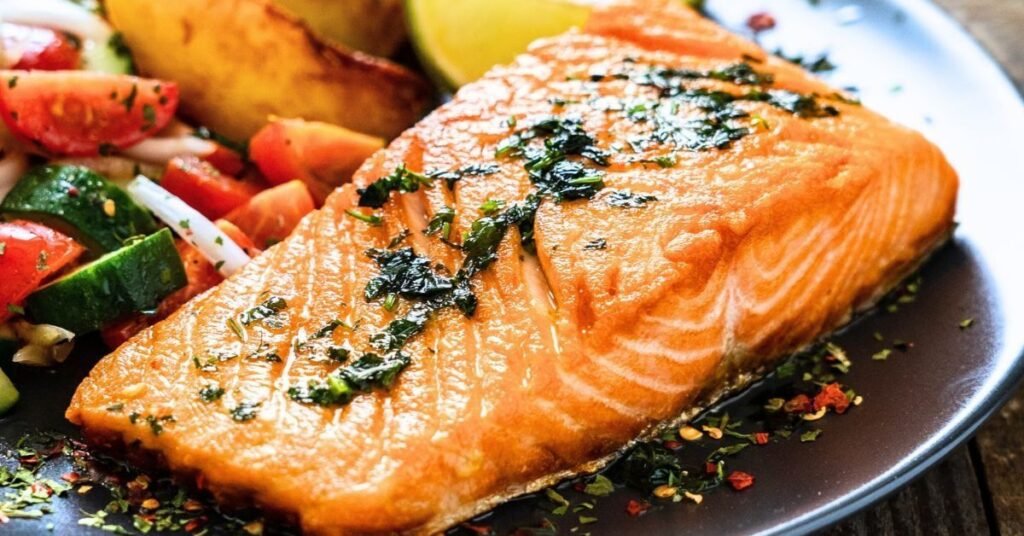
This method is useful when you need a fast meal. You only need a few basic ingredients and simple seasonings. The air fryer also makes cleanup easier than many traditional cooking methods. With the right settings, you can enjoy tender and flavorful salmon without much effort.
Before you start, check the size and thickness of your salmon fillets. These factors can affect the cooking time. Choose your favorite seasonings and preheat the air fryer if your model requires it. A few simple steps can help you get delicious results.
What Makes Air Frying Frozen Salmon Easy?
Air frying frozen salmon saves time and effort. You can cook the salmon straight from the freezer. You do not need to wait for it to thaw. This makes it a useful option for busy days.
The air fryer needs only a small amount of oil. You can add simple seasonings such as garlic, black pepper, lemon, or herbs. The hot air cooks the salmon quickly and helps keep the inside moist. It also gives the edges a pleasant texture.
Cleanup is another benefit of this cooking method. Most air fryer baskets are easy to wash after cooking. You can also prepare salmon while making a simple side dish. This makes air frying a convenient choice for a quick homemade meal.
Can You Cook Salmon Without Thawing?
Yes, you can cook salmon without thawing it first. An air fryer can cook frozen salmon directly from the freezer. This saves preparation time and makes dinner easier. Just remove the salmon from its packaging before cooking.
Start by placing the frozen fillet in the air fryer basket. Add a little oil and your preferred seasonings. Cook it at the recommended temperature and check it during the cooking process. Thicker pieces may need extra time.
Check the center before serving. The salmon should look opaque and flake easily with a fork. A food thermometer can also help you check that it has reached a safe internal temperature. This simple method gives you a quick and convenient meal.
Ingredients You Need for Frozen Salmon in Air Fryer
You only need a few simple ingredients to cook frozen salmon in an air fryer. Start with frozen salmon fillets and a small amount of oil. Add salt, black pepper, garlic powder, or your favorite herbs for extra flavor. Fresh lemon can also add a bright taste.
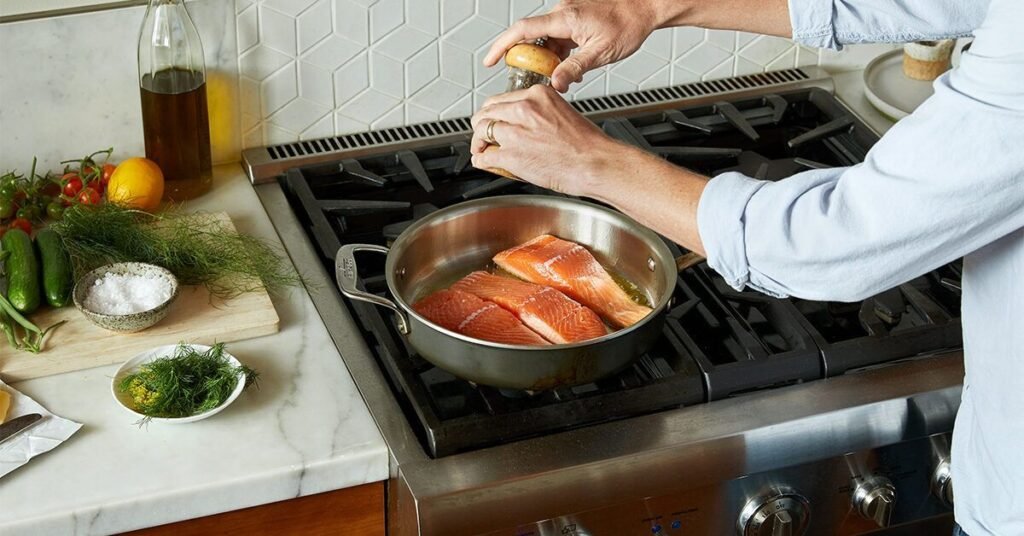
You can adjust the seasonings based on your preference. Honey, paprika, dill, and garlic work well with salmon. Keep the ingredients simple so the natural flavor of the fish stays noticeable. The table below shows the main ingredients and their uses.
Table
| Ingredient | Suggested Amount | Purpose |
| Frozen salmon fillets | 2 pieces | Main ingredient |
| Olive oil | 1–2 teaspoons | Helps seasonings stick and adds moisture |
| Salt | ¼ teaspoon | Enhances the natural flavor |
| Black pepper | ¼ teaspoon | Adds mild heat and flavor |
| Garlic powder | ¼ teaspoon | Gives a savory taste |
| Paprika | ¼ teaspoon | Adds color and mild flavor |
| Dried dill | ¼ teaspoon | Adds a fresh herbal taste |
| Lemon | ½ lemon | Adds freshness and acidity |
| Honey | 1 teaspoon | Adds a light sweet flavor |
| Garlic | 1 small clove | Adds a stronger savory taste |
Salmon Fillets
Choose good-quality frozen salmon fillets for this recipe. Look for pieces with a clean appearance and no strong fishy smell after thawing. Fillets with a similar thickness can cook more evenly in the air fryer.
Keep the salmon frozen until you are ready to cook it. Remove any packaging and check the fillets for loose ice. If you see a thick layer of ice, gently remove it before adding the seasoning.
You can use skin-on or skinless salmon fillets. Skin-on pieces may develop a slightly crisp skin during cooking. Thicker fillets usually need more cooking time, so check the center before serving. A food thermometer can help you confirm that the salmon has cooked safely.
Oil and Seasonings
Use a small amount of oil to add moisture and flavor to the salmon. Olive oil works well for air frying. Brush a light layer over the frozen fillet. Avoid using too much oil, as the salmon already contains natural fat.
Simple seasonings can make the salmon taste delicious. Salt and black pepper create a basic flavor. You can also add garlic powder, paprika, or dried dill. These seasonings pair well with salmon without covering its natural taste.
For a fresh flavor, add a little lemon juice after cooking. You can also try honey, garlic, or your favorite herbs. Apply the seasonings evenly so each bite has good flavor. Keep the seasoning simple when you want the salmon to remain the main focus of the meal.
Optional Toppings
You can add toppings to make your air fryer salmon more flavorful. Fresh lemon slices are a simple choice. Place them over the salmon after cooking for a bright and fresh taste. Chopped parsley or dill can also add a light herbal flavor.
For a richer taste, try a small drizzle of honey or a garlic butter sauce. These toppings add sweetness and extra flavor to the salmon. A sprinkle of paprika or sesame seeds can also give the fillet a tasty finish.
Choose toppings based on your personal taste. You do not need many ingredients to make the salmon delicious. Add one or two toppings at a time so the natural flavor of the salmon remains noticeable.
How to Prepare Frozen Salmon for the Air Fryer
Remove the frozen salmon from its packaging and gently wipe away any excess ice. Lightly brush the fillet with oil, then add your favorite seasonings.
- Place the salmon in a single layer.
- Keep the skin side down if the fillet has skin.
- Leave space around each piece for proper air circulation.
- Avoid overcrowding the air fryer basket.
Best Temperature for Frozen Salmon in Air Fryer
A temperature of 400°F (200°C) works well for cooking frozen salmon in an air fryer. This high heat helps cook the fillet efficiently while giving the outside a lightly crisp texture. You can preheat the air fryer if your model recommends it.
Cooking time depends on the size and thickness of the salmon. Smaller fillets may cook faster, while thicker pieces need more time. Start checking the salmon near the end of the cooking time to avoid overcooking it.
The salmon should turn opaque and flake easily with a fork when it is done. For food safety, check the thickest part with a food thermometer. The FDA recommends cooking fish to an internal temperature of 145°F (63°C).
How Long to Cook Frozen Salmon in Air Fryer
Frozen salmon usually takes about 12 to 18 minutes in an air fryer at 400°F (200°C). The exact time depends on the thickness and size of the fillet. Thicker pieces may need a few extra minutes.
Start checking the salmon near the end of the cooking time. The fish should look opaque and flake easily with a fork. Avoid cooking it for too long, as overcooking can make the salmon dry.
For the best results, check the thickest part with a food thermometer. Fish should reach an internal temperature of 145°F (63°C) for food safety. Let the salmon rest for a minute or two before serving.
Cooking Time by Fillet Thickness
Thin salmon fillets usually cook faster. At 400°F (200°C), they may take around 10–12 minutes. Start checking them near the end of the cooking time.
Medium-thick fillets often need about 12–16 minutes. Their size can change the cooking time. Leave space between each fillet so hot air can move around them.
Thick salmon fillets may need 16–20 minutes or more. Check the center before serving. A food thermometer should reach 145°F (63°C) for safe cooking.
How to Check if Salmon Is Done
Check the salmon near the end of the cooking time. The center should look opaque and feel tender. The fish should also separate easily with a fork when it is fully cooked.
A food thermometer gives a more accurate check. Insert it into the thickest part of the fillet. The internal temperature should reach 145°F (63°C) for safe eating.
Avoid cooking the salmon for too long. Overcooked salmon can become dry and tough. Let the fish rest for a minute or two before serving.
Best Seasonings and Sauces for Salmon
Simple seasonings can bring out the natural flavor of salmon. Salt, black pepper, garlic powder, and paprika work well together. You can also add dried dill, parsley, or a little lemon zest for a fresh taste.
Lemon and garlic make a classic combination. You can brush the salmon with a little garlic butter and add fresh lemon juice after cooking. This gives the fish a rich and bright flavor without making it too heavy.
You can also try sweet and tangy sauces. Honey mustard adds a mild sweetness and a smooth taste. Soy sauce, maple syrup, or a light herb sauce can also give your frozen salmon in the air fryer a tasty finish.
Lemon and Garlic
Lemon and garlic give salmon a fresh and savory taste. Garlic adds a warm flavor, while lemon brings a light and tangy touch. This simple combination works well with frozen salmon in an air fryer.
Mix a little minced garlic with olive oil and spread it over the salmon. Add a pinch of salt and black pepper for more flavor. You can also place a few thin lemon slices on top before cooking.
Add fresh lemon juice after the salmon finishes cooking. This helps brighten the flavor without making the fish too sour. Sprinkle some fresh parsley or dill on top before serving.
Honey and Mustard
Honey and mustard create a sweet and tangy flavor for salmon. The honey adds a gentle sweetness. Mustard gives the fish a sharp and savory taste.
Mix honey and mustard in a small bowl. Add a little garlic powder and black pepper for extra flavor. Brush the mixture lightly over the salmon before cooking.
You can also add the sauce near the end of cooking. This helps keep its sweet flavor fresh. Serve the salmon with a small squeeze of lemon for a bright finish.
Herbs and Spices
Herbs and spices can give salmon more flavor without adding heavy sauces. Dill, parsley, and thyme work well with salmon. You can also use garlic powder, paprika, and black pepper for a warm taste.
Mix your favorite herbs and spices in a small bowl. Add a little salt and olive oil to help the seasoning stick. Brush the mixture gently over the frozen salmon before placing it in the air fryer.
You can also add fresh herbs after cooking. Sprinkle chopped parsley or dill over the salmon before serving. A little lemon juice can make the flavors taste fresher.
How to Get Crispy Salmon in the Air Fryer
Start with a clean and dry salmon fillet. Brush it lightly with oil before adding your seasonings. A thin layer of oil can help the outside develop a light, crisp texture.
Place the salmon in a single layer in the air fryer basket. Leave some space around each piece for hot air to circulate. Cook at 400°F (200°C) and avoid overcrowding the basket.
For extra crispiness, add a small amount of paprika or garlic powder to the seasoning. Check the salmon near the end of cooking. Avoid adding too much sauce before cooking because it can make the surface soft.
Common Mistakes to Avoid When Air Frying Frozen Salmon
One common mistake is overcrowding the air fryer basket. Leave enough space between the salmon pieces. This allows hot air to move around the fish and helps it cook evenly.
Another mistake is using too much oil or sauce. Salmon already contains natural fat. Use a light layer of oil and add sauces in moderation. Too much sauce can make the surface soft.
Avoid guessing the cooking time without checking the salmon. Thick fillets may need extra minutes. Check the center with a food thermometer and make sure it reaches 145°F (63°C) before serving.
How to Tell When Frozen Salmon Is Fully Cooked
Fully cooked salmon should look opaque in the center. The flesh should feel tender and separate easily with a fork. Check the thickest part because it takes the longest to cook.
A food thermometer gives the most reliable check. Insert it into the thickest part of the fillet. The internal temperature should reach 145°F (63°C) for safe eating.
Avoid cutting the salmon too many times while it cooks. This can release its natural juices and make it dry. If the center still looks raw or feels cold, cook the salmon for a few more minutes and check again.
Checking the Color and Texture
Look at the center of the salmon after cooking. Fully cooked salmon should appear opaque instead of bright and translucent. The color may vary slightly based on the type of salmon.
Check the texture with a fork. Gently press the thickest part of the fillet. The salmon should flake easily and feel tender when it is ready.
Do not rely on color alone to judge doneness. A thick fillet may look cooked outside while the center needs more time. Use a food thermometer for a more accurate check.
Using a Food Thermometer
A food thermometer helps you check the salmon’s internal temperature. Insert the thermometer into the thickest part of the fillet. Make sure the tip reaches the center for an accurate reading.
Cook the salmon until it reaches 145°F (63°C). This temperature helps confirm that the salmon is fully cooked. Check the temperature before you remove the salmon from the air fryer.
Avoid placing the thermometer against the air fryer basket. This can give you an incorrect reading. After checking the temperature, let the salmon rest for a minute or two before serving.
Easy Side Dishes to Serve With Air Fryer Salmon
Air fryer salmon tastes great with fresh vegetables. Try steamed broccoli, green beans, or roasted carrots. These sides add color, fiber, and a fresh taste to your meal.
Rice and potatoes also make filling choices. Serve the salmon with white rice, brown rice, or roasted potatoes. You can add a little lemon juice or fresh herbs for extra flavor.
A fresh salad can make the meal light and refreshing. Mix lettuce, cucumber, tomatoes, and carrots for a simple salad. You can also add a light lemon dressing to balance the rich taste of the salmon.
Vegetables
Vegetables make a healthy side for air fryer salmon. Try broccoli, green beans, carrots, or zucchini. Their fresh taste pairs well with the rich flavor of salmon.
You can roast or steam the vegetables before serving. Add a little olive oil, salt, and black pepper for simple flavor. Lemon juice can also add a fresh touch.
For a quick meal, cook vegetables in the air fryer after the salmon. Cut them into similar sizes so they cook evenly. Serve them warm with the salmon for a simple and balanced dinner.
Rice and Potatoes
Rice makes a simple and filling side for air fryer salmon. You can use white rice, brown rice, or seasoned rice. Add a little lemon juice and fresh herbs for extra flavor.
Potatoes also pair well with salmon. Try roasted potatoes, mashed potatoes, or small air-fried potato cubes. Season them with garlic, black pepper, and a little olive oil.
For a balanced meal, serve salmon with a small portion of rice or potatoes. Add some green vegetables on the side. This combination gives you a tasty and satisfying dinner.
Fresh Salads
Fresh salads make a light side for air fryer salmon. Use lettuce, cucumber, tomatoes, carrots, or bell peppers. These vegetables add a crisp texture and fresh flavor to your meal.
You can make a simple lemon dressing for the salad. Mix lemon juice with a little olive oil, black pepper, and a pinch of salt. Toss the vegetables gently before serving.
For more flavor, add fresh herbs such as parsley or dill. You can also add a few avocado slices for a creamy texture. Serve the salad cold with warm salmon for a refreshing meal.
Conclusion
Cooking frozen salmon in an air fryer is quick and easy. You can cook it straight from the freezer without thawing. With the right temperature and cooking time, you can enjoy tender and flavorful salmon.
Use simple seasonings and check the center before serving. A food thermometer can help you confirm that the salmon is fully cooked. Serve it with vegetables, rice, potatoes, or a fresh salad for a complete meal.
FAQs
1. Can you cook frozen salmon in an air fryer?
Yes, you can cook frozen salmon directly in the air fryer. You do not need to thaw it first.
2. What temperature is best for frozen salmon in an air fryer?
400°F (200°C) works well for frozen salmon. Cooking time may vary based on the fillet’s thickness.
3. How long does frozen salmon take in an air fryer?
Frozen salmon usually takes about 12–18 minutes at 400°F (200°C). Check the thickest part before serving.
4. How do you know when frozen salmon is fully cooked?
The salmon should look opaque and flake easily with a fork. A food thermometer should read 145°F (63°C).
5. What can you serve with air fryer salmon?
You can serve salmon with vegetables, rice, potatoes, or a fresh salad. Lemon and herbs can also add extra flavor.
Related Posts

10 Essential Baking Tips for Perfect Results Every Time
Baking is the process of making foods like cakes, cookies,…

10 Delicious Russian Food Recipes You Need to Try
Russian food is known for its rich flavors, simple ingredients,…