Baking is the process of making foods like cakes, cookies, bread, and pastries with dry heat, usually in an oven. It needs the right ingredients, proper measurements, and good timing. Even small mistakes can change the final result.
Have you ever followed a recipe and still ended up with a dry cake or hard cookies? You are not alone. Baking can feel tricky at first, but a few simple tips can make a big difference. The right techniques can help you bake with more confidence.
In this article, we will share 10 essential baking tips for better results every time. These tips can help beginners avoid common mistakes and improve their baking skills. You will also learn simple ways to make your favorite baked treats softer, fresher, and more delicious.
Understand Your Ingredients Before You Start Baking
Knowing your ingredients is an important baking tip. Each ingredient has a special role. Flour gives structure to baked goods. Sugar adds sweetness and helps with texture. Eggs add moisture and help bind the ingredients together.
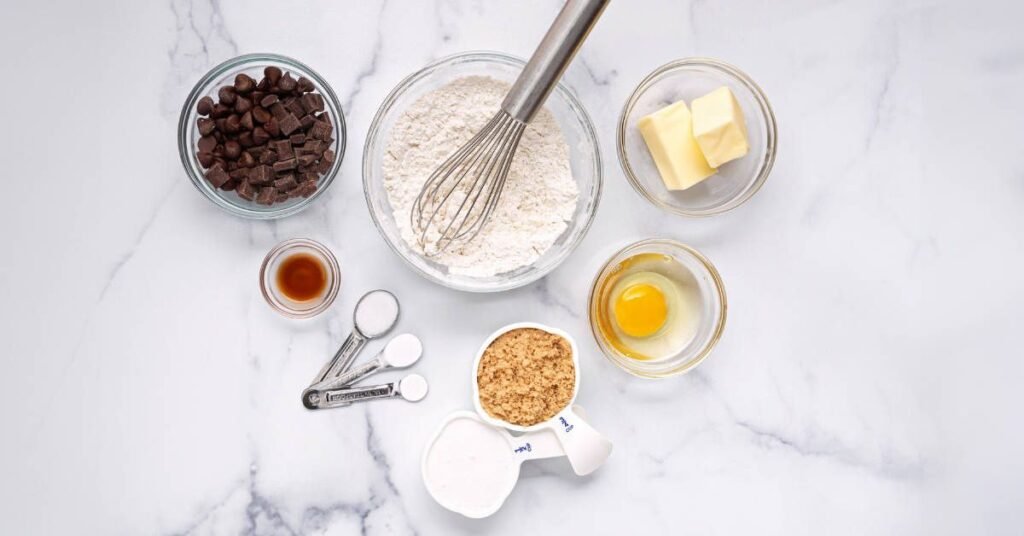
Always check your ingredients before you start. Use fresh eggs, flour, and baking powder. Check the expiry dates on packaged ingredients. Bring cold ingredients to the required temperature when the recipe asks for it. This small step can improve the final result.
You should also understand ingredient differences. Butter and oil do not always work the same way. All-purpose flour and cake flour can create different textures. Measure each ingredient carefully. When you know how ingredients work, you can bake with more confidence and get better results.
Measure Ingredients Accurately for Better Results
Accurate measurements can make a big difference in baking. Baking depends on the right balance of ingredients. Use measuring cups and spoons for small amounts. For flour, gently fill the cup and level the top with a knife. Avoid packing flour into the cup unless the recipe says so. A kitchen scale can give even more accurate results.
Different ingredients need different measuring methods. Liquids should be measured in a liquid measuring cup. Dry ingredients need dry measuring cups or a kitchen scale. Always follow the recipe measurements carefully. These simple baking tips can help you get better texture, taste, and consistency.
Table
| Ingredient | Best Measuring Method | Helpful Tip |
| Flour | Kitchen scale or dry cup | Spoon it into the cup and level it |
| Sugar | Dry measuring cup | Level the top before adding |
| Brown Sugar | Dry measuring cup | Pack it when the recipe requires it |
| Baking Powder | Measuring spoon | Level the spoon for accuracy |
| Baking Soda | Measuring spoon | Do not use a heaped spoon |
| Salt | Measuring spoon | Measure carefully because it is strong |
| Milk | Liquid measuring cup | Check the level at eye height |
| Water | Liquid measuring cup | Place the cup on a flat surface |
| Oil | Liquid measuring cup | Measure at eye level |
| Honey | Liquid measuring cup | Lightly coat the cup with oil first |
| Butter | Scale or marked wrapper | Use the required amount carefully |
| Eggs | Count or weigh | Use the size stated in the recipe |
| Cocoa Powder | Dry cup or kitchen scale | Do not pack it tightly |
| Oats | Dry cup or kitchen scale | Level the measurement before mixing |
Baking Tips for Preparing Your Oven Correctly
Properly preparing your oven can improve your baking results. Always check the recipe for the required temperature. Preheat the oven before you place your food inside. A cold oven can affect the texture and baking time. Give the oven enough time to reach the right temperature.
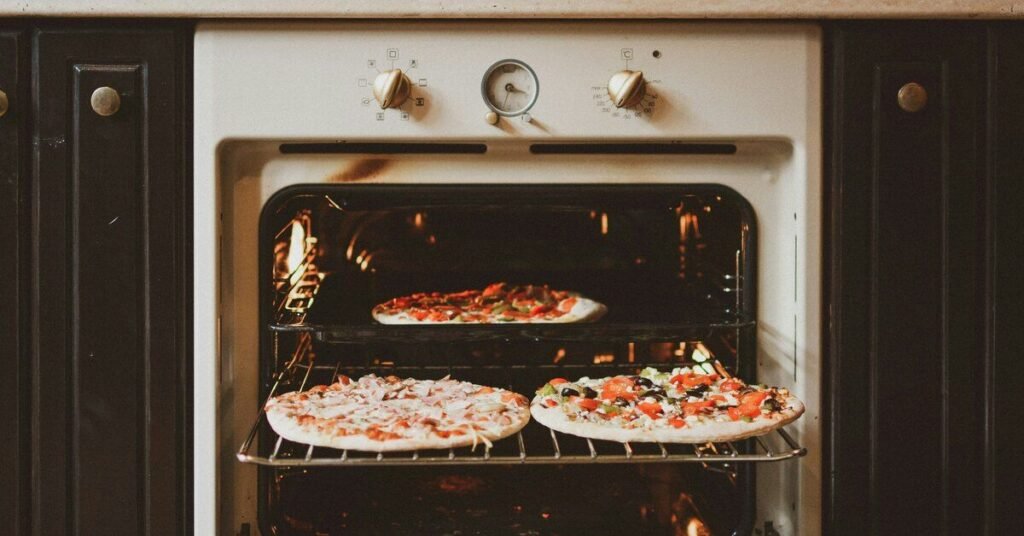
Keep the oven rack in the correct position. Most cakes and cookies bake well on the middle rack. Avoid opening the oven door too often. Each opening lets heat escape. This can affect the rise and texture of your baked goods.
An oven thermometer can also help you check the actual temperature. Some ovens run hotter or cooler than the displayed setting. Clean the oven regularly to remove old crumbs and grease. These simple baking tips can help you create evenly baked and delicious treats.
Use the Right Baking Tools and Equipment
The right tools can make baking easier and more enjoyable. Start with basic items like measuring cups, spoons, mixing bowls, and a whisk. A kitchen scale also helps you measure ingredients accurately. Good tools can save time and improve your baking results.
Choose baking pans that match your recipe. Use a sturdy baking sheet for cookies and a suitable cake pan for cakes. Silicone spatulas work well for scraping batter from bowls. A rolling pin is useful for cookies, pies, and pastries. Keep your tools clean and dry before use.
You do not need expensive equipment to bake well. A few reliable tools are enough for most recipes. Check your tools before you start baking. Replace damaged pans or broken utensils when needed. Using the right equipment can help you follow recipes with ease and get more consistent results.
How to Prepare Baking Pans the Right Way
Preparing your baking pan is an important step before you add the batter. Start by choosing the correct pan size for your recipe. Grease the inside with butter or a little oil when needed. You can also add a thin layer of flour to prevent cakes from sticking. For some recipes, parchment paper works well too.
Different baked goods need different pan preparations. Line cookie sheets with parchment paper for easier cleanup. Grease cake pans carefully, especially around the corners. For brownies, use parchment paper with a little overhang. This makes it easier to lift them from the pan after baking.
Always check your recipe before preparing the pan. Some recipes need a greased pan, while others work better with a dry surface. Avoid using too much grease, as it can alter the texture of some baked goods. A properly prepared pan helps your food bake evenly and come out cleanly.
Baking Tips for Mixing Dough and Batter Properly
Mixing dough and batter correctly helps create the right texture and structure in your baked goods. Follow the recipe closely and mix only until the ingredients combine well.
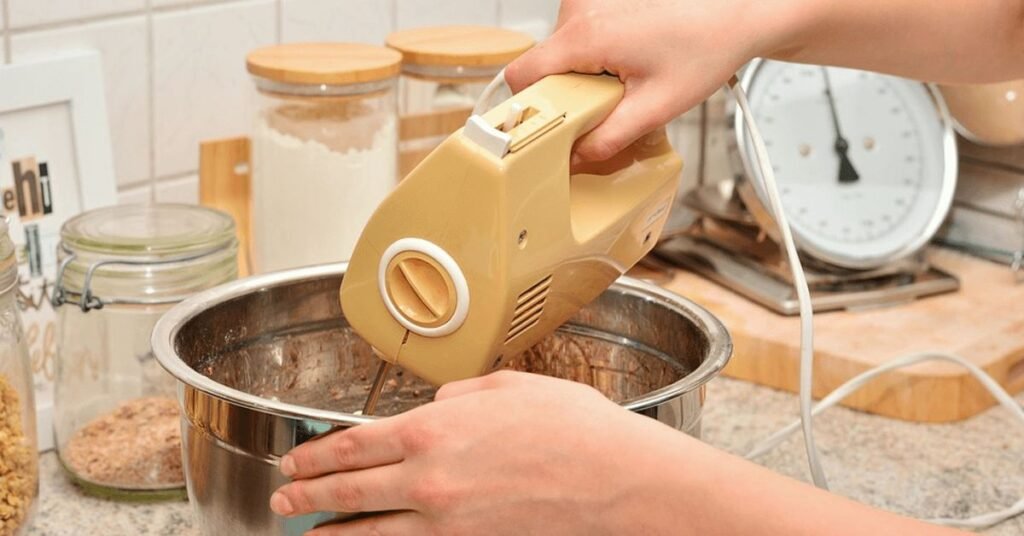
- Mix dry and wet ingredients separately when the recipe requires it.
- Avoid overmixing, as it can make cakes and muffins dense.
- Scrape the sides of the bowl to combine all ingredients.
- Use gentle folding for delicate batters.
- Stop mixing when the dough reaches the texture stated in the recipe.
Avoid Overmixing Your Batter
Overmixing can change the texture of your baked goods. When you mix flour too much, it can develop more gluten. This may make cakes, muffins, and quick breads dense or chewy. Mix the batter gently until the ingredients come together.
Pay attention to the recipe instructions. Add dry ingredients slowly when needed. Use a spatula or whisk and make smooth movements. Stop mixing when you no longer see large patches of dry flour. A few small lumps are often fine for muffins and pancakes.
The right mixing time is one of the most useful baking tips. It helps keep cakes light and muffins tender. Do not keep mixing just to make the batter look perfectly smooth. Gentle and careful mixing can give your baked treats a better texture.
Know When Your Dough Is Ready
Knowing when your dough is ready can improve your baking results. Check its texture before you start shaping or baking it. Good dough should feel smooth and easy to handle when the recipe calls for it. It should not feel extremely wet, dry, or sticky unless the recipe says otherwise.
For bread dough, use the stretch test when suitable. Take a small piece and gently stretch it with your fingers. It should stretch without breaking quickly. For cookie dough, look for a soft and workable texture. Pie dough should hold together without becoming too smooth or tough.
Do not add extra flour too quickly. Too much flour can make baked goods hard and dry. Follow the recipe and trust the texture of the dough. These simple baking tips can help you know when to stop mixing and move to the next step.
Choose the Right Temperature and Baking Time
Choosing the right temperature is an important baking tip. Always check the recipe before setting your oven. Preheat the oven to the required temperature before baking. The correct heat helps your food cook evenly and develop the right texture.
Baking time can vary between recipes and ovens. Follow the suggested time, but also check your food as it gets close to being done. A cake may need a toothpick test, while cookies should look lightly golden around the edges. Avoid opening the oven too often because heat can escape.
Do not rely only on the clock. Look at the color, texture, and smell of your baked goods. If your oven runs hot or cool, an oven thermometer can help you adjust the temperature. These simple baking tips can help prevent underbaking and overbaking.
Baking Tips for Making Soft and Moist Cakes
A soft and moist cake starts with the right ingredients. Measure the flour carefully and avoid adding too much. Too much flour can make a cake dry and heavy. Use fresh eggs, butter, or oil as the recipe requires. Ingredients at the right temperature can also help create a smooth batter.
Do not overmix the batter after adding the flour. Mix gently until the ingredients come together. Preheat your oven before baking and use the correct temperature. Check the cake near the end of the suggested baking time. A toothpick should come out clean or with a few moist crumbs.
Let the cake cool properly before serving or decorating it. Overbaking can remove moisture and make the cake dry. You can also use ingredients like yogurt, buttermilk, or mashed fruit when the recipe includes them. These simple baking tips can help you make a soft, tender, and delicious cake.
Baking Tips for Perfect Cookies and Pastries
Perfect cookies and pastries need the right balance of ingredients. Measure flour, sugar, and butter carefully. Use fresh ingredients for better flavor and texture. Follow the recipe closely and avoid adding extra flour unless needed. The right dough should feel easy to handle.
Keep the dough at the right temperature. Chill cookie or pastry dough when the recipe recommends it. Cold dough can help cookies keep their shape during baking. Roll pastry dough gently and avoid overworking it. Too much handling can make pastries tough.
Preheat your oven before baking. Leave enough space between cookies so they can spread evenly. Check them a little before the suggested baking time because ovens can vary. These simple baking tips can help you make cookies that are crisp, soft, or chewy and pastries that are light and flaky.
Common Baking Mistakes You Should Avoid
Using the wrong measurements is a common baking mistake. Too much flour can make cakes and cookies dry. Too much liquid can make the batter too thin. Always measure ingredients carefully and follow the recipe. A kitchen scale can help you get more accurate results.
Skipping the preheating step can also affect your baked goods. Do not place your food in a cold oven unless the recipe says so. Avoid opening the oven door too often during baking. Overmixing the batter can also make cakes and muffins dense. Mix only until the ingredients combine well.
Another mistake is ignoring the baking time. Check your food before the suggested time ends. Look for signs that it is ready, such as a golden color or a clean toothpick. These simple baking tips can help you avoid common problems and get better results every time.
How to Cool, Store, and Keep Baked Goods Fresh
Let baked goods cool properly before storing them. Cakes, cookies, and bread often need time to release heat. Place them on a cooling rack when possible. Avoid covering them while they are still warm, as trapped steam can make them soggy.
Use airtight containers to keep cookies and other dry treats fresh. Store cakes in a covered container at room temperature when the recipe allows it. Keep items with cream, custard, or other perishable fillings in the refrigerator. Always use clean and dry containers to protect the taste and texture.
You can also freeze many baked goods for longer storage. Wrap them well before placing them in the freezer. Label the package with the date so you can track its freshness. These simple baking tips can help your homemade treats stay fresh, tasty, and enjoyable for longer.
Simple Baking Tips to Improve Your Skills Over Time
Practice is one of the best ways to improve your baking skills. Start with simple recipes and learn the basic steps. Follow each recipe carefully and measure your ingredients correctly. Try to understand what went wrong when a recipe does not turn out well.
Keep notes about your baking results. Write down the oven temperature, baking time, and ingredient changes. Try one small change at a time. This helps you learn which methods work best for you. Do not worry about small mistakes because they are part of learning.
Try new recipes as your confidence grows. Practice cakes, cookies, bread, and pastries to learn different techniques. Watch how the dough and batter change during each step. These simple baking tips can help you become more confident and consistent in the kitchen.
Conclusion
Baking becomes easier when you follow simple steps. Accurate measurements, the right temperature, and proper mixing can improve your results. Good preparation also helps you avoid common baking mistakes.
Keep practicing and learn from each recipe you make. Use these baking tips to build your skills and confidence. With time, you can create soft cakes, tasty cookies, and delicious pastries at home.
FAQs
1. What is the most important baking tip for beginners?
Measure your ingredients accurately and follow the recipe carefully. This helps create consistent results.
2. Why should I preheat the oven before baking?
Preheating gives your baked goods the right heat from the start. It helps them bake evenly.
3. How can I prevent my cake from becoming dry?
Avoid adding too much flour and do not overbake the cake. Follow the recipe and check it before the suggested baking time ends.
4. Why does overmixing affect baked goods?
Overmixing can make cakes and muffins dense or chewy. Mix the batter only until the ingredients combine.
5. How can I keep baked goods fresh for longer?
Store them in clean, airtight containers after they cool completely. Refrigerate items with perishable fillings when needed.
Related Posts

What Makes Alani Cotton Candy So Popular?
Alani cotton candy is a sweet treat known for its…
Healthy Banana Oatmeal Cookies for Every Snack
Banana oatmeal cookies are a simple and healthy homemade treat.…
Top Italian Desserts for Sweet Lovers
Italian desserts are sweet dishes that come from Italy. Their…
One Reply to “10 Essential Baking Tips for Perfect Results Every Time”