Cat food is made to give cats the nutrients they need to stay healthy. It contains protein, vitamins, minerals, and healthy fats that support growth and energy. Choosing the right cat food helps your pet live a happy and active life.
Many pet owners feel confused by the many cat food options available today. Dry food, wet food, and special diets can make the choice difficult. Learning a few simple tips can help you confidently pick the best food for your pett.
In this guide, you will learn useful cat food tips for every stage of your cat’s life. We will explain what to look for in quality, which ingredients to avoid, and how to build healthy feeding habits. These easy tips will help you make better choices for your furry friend.
What Is Cat Food?
Cat food is specially made to meet the nutritional needs of cats. It contains protein, healthy fats, vitamins, and minerals. These nutrients help cats grow, stay active, and remain healthy.
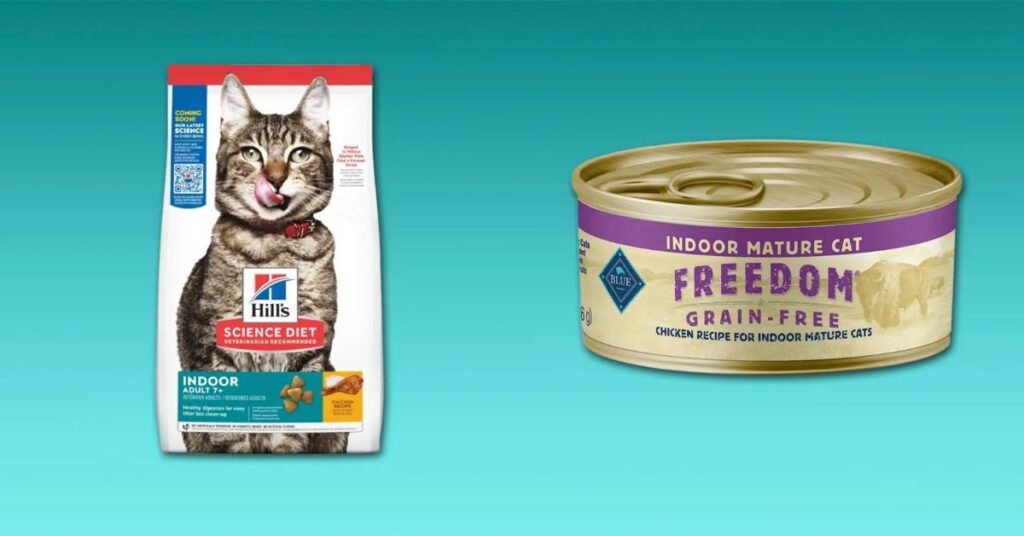
Cats are carnivores, so they need a diet that is rich in animal protein. Good pet food provides the energy they need every day. It also supports strong muscles, healthy skin, shiny fur, and a strong immune system.
Cat food comes in different forms, including dry, wet, and fresh pet food. Each type has its own benefits and can suit different cats. Choosing high-quality cat food helps your pet enjoy a long and healthy life.
Benefits of Cat Food
Cat food plays an important role in your cat’s health and daily life. A balanced diet provides essential nutrients, including protein, fats, vitamins, and minerals. These nutrients help support normal growth, maintain energy levels, and keep your cat healthy.
Protein helps maintain strong muscles, while fats provide energy and support healthy skin and fur. Essential vitamins and minerals contribute to normal body functions and bone health. A suitable diet can also support digestion and immune function. However, every cat has different nutritional needs depending on its age, activity level, and health condition.
Choosing the right cat food can help your pet maintain a healthy weight and enjoy an active lifestyle. Look for food labeled as complete and balanced for your cat’s life stage. Always provide fresh drinking water and follow feeding recommendations based on your cat’s needs. If your cat has a medical condition or special dietary requirements, consult a veterinarian for advice.
Types of Cat Food
There are several types of food available for different needs. The most common options are dry food, wet food, fresh food, and raw food. Each type offers different benefits for your cat.

Dry cat food is easy to store and usually costs less. Wet cat food contains more moisture, which helps keep cats hydrated. Fresh and raw cat food can provide natural ingredients, but they should be prepared and handled carefully.
The best type of cat food depends on your cat’s age, health, and preferences. Some cats enjoy a mix of dry and wet food. Talk to your veterinarian if you are unsure which option is best for your pet.
Cat Food Nutrition
A healthy cat needs a complete and balanced diet that provides all the essential nutrients. These include animal-based protein, fats, vitamins, minerals, and fresh drinking water. Protein helps maintain strong muscles, while fats provide energy and support healthy skin and fur. Other nutrients help maintain normal organ function, vision, and overall health.
Fiber can support normal digestion, while taurine plays an essential role in a cat’s heart function, vision, and other body processes. Cats need taurine from their diet because they cannot produce enough to meet their needs. Choosing a nutritionally complete cat food helps provide these important nutrients in appropriate amounts.
When selecting cat food, check the product label to make sure it is suitable for your cat’s life stage, such as kitten, adult, or senior. Consider your cat’s activity level and individual health needs as well. If your cat requires a special diet, ask a veterinarian for guidance before making significant changes to its food.
Table
| Nutrient | Why It Is Important | Common Sources | Estimated Price in Cat Food* |
| Protein | Builds muscles and supports growth | Chicken, turkey, fish, beef | Included in the total food price |
| Healthy Fats | Provide energy and support skin and coat | Fish oil, chicken fat | Included in the total food price |
| Taurine | Supports heart and eye health | Meat, fish, poultry | Included in the total food price |
| Vitamin A | Helps vision and immune health | Liver, fish oil | Included in the total food price |
| Vitamin D | Supports strong bones and teeth | Fish, fortified ingredients | Included in the total food price |
| Vitamin E | Protects body cells | Vegetable oils | Included in the total food price |
| B Vitamins | Help with energy and metabolism | Meat, eggs, liver | Included in the total food price |
| Calcium | Strengthens bones and teeth | Bone meal, dairy ingredients | Included in the total food price |
| Phosphorus | Works with calcium for healthy bones | Meat and fish | Included in the total food price |
| Zinc | Supports skin and immune system | Meat, seafood | Included in the total food price |
| Iron | Helps carry oxygen in the blood | Red meat, liver | Included in the total food price |
| Fiber | Supports healthy digestion | Beet pulp, pumpkin, vegetables | Included in the total food price |
| Water | Keeps the body hydrated | Wet cat food, fresh water | Included in wet food or provided separately |
Choosing the Right Cat Food
Choosing the right cat food is important for your cat’s health. Look for food that contains high-quality animal protein as the main ingredient. It should also provide a good balance of vitamins, minerals, and healthy fats.
Think about your cat’s age, size, and activity level before buying food. Kittens, adult cats, and senior cats have different nutritional needs. If your cat has allergies or a medical condition, choose a diet that matches those needs.
Always read the ingredient list and feeding instructions on the package. Avoid cat food with too many artificial colors, flavors, or fillers. When in doubt, ask your veterinarian to recommend the best pet food for your pet.
Cat Food for Kittens
Kittens need special food to support their fast growth and development. Their food should be rich in high-quality protein, healthy fats, vitamins, and minerals. These nutrients help build strong muscles, bones, and a healthy immune system.
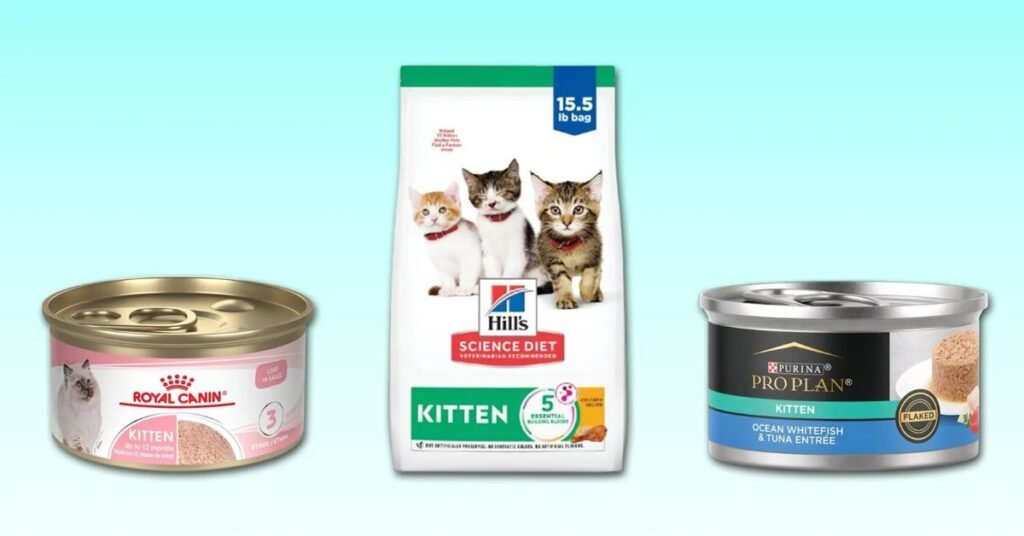
Feed kittens food that is made for their age. Kitten food contains more calories and nutrients than adult food. Fresh water should always be available to keep them hydrated.
Follow the feeding guide on the food package and adjust the amount as your kitten grows. Divide meals into smaller portions throughout the day. Choosing high-quality pet food gives your kitten a healthy start and supports a long, active life.
Cat Food for Adult Cats
Adult cats need balanced cat food to stay healthy and active. Their diet should include high-quality protein, healthy fats, vitamins, and minerals. These nutrients help maintain strong muscles, healthy skin, and a shiny coat.
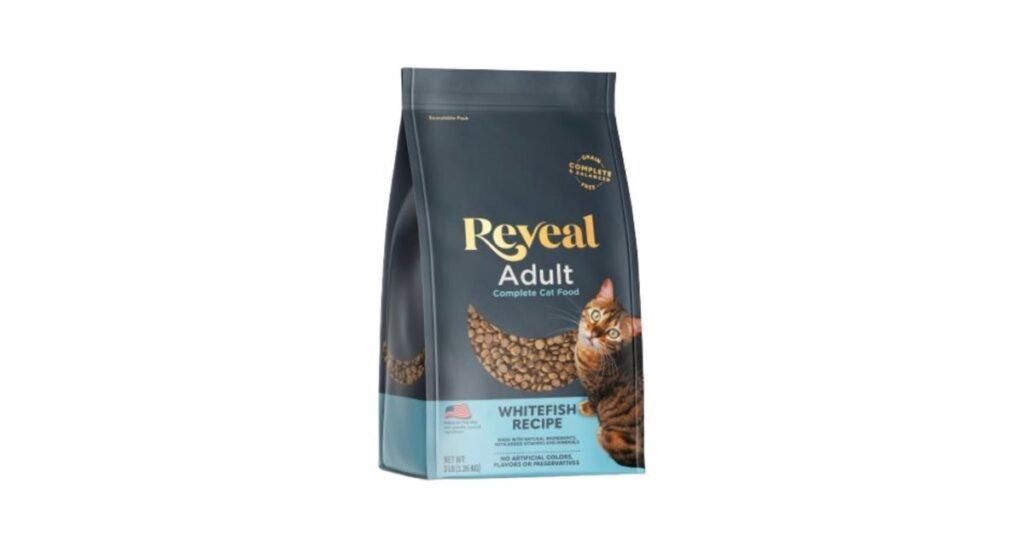
Choose pet food that matches your cat’s size, weight, and activity level. Indoor and outdoor cats may have different nutritional needs. Always provide fresh, clean water along with every meal.
Feed your adult cat the recommended amount to help maintain a healthy weight. Avoid giving too many treats or table scraps. High-quality cat food supports good health and keeps your cat energetic every day.
Cat Food for Senior Cats
Senior cats need their food that supports their changing health needs. As cats get older, they may become less active and need fewer calories. Their food should still provide high-quality protein, vitamins, and minerals.
Many senior cat foods contain ingredients that support joint health, digestion, and brain function. They may also be easier to chew and digest. Fresh water is important to help keep older cats hydrated.
Choose cat food that matches your senior cat’s age and overall health. Watch for changes in weight, appetite, or energy levels. Regular checkups with your veterinarian can help you choose the best diet for your aging cat.
Best Cat Food Ingredients
The best cat food contains high-quality animal protein as the first ingredient. Chicken, turkey, fish, and beef are excellent choices. These proteins help build strong muscles and keep your cat active.
Healthy fats are also important in this food. Fish oil and chicken fat provide energy and support healthy skin and a shiny coat. Vitamins, minerals, and taurine help keep your cat’s heart, eyes, and immune system healthy.
Look for cat food with natural ingredients and few unnecessary fillers. Whole grains or vegetables can provide fiber for healthy digestion when included in balanced amounts. Reading the ingredient list can help you choose a nutritious and high-quality food for your cat.
Ingredients to Avoid
Some cat food contains ingredients that offer little nutritional value. Artificial colors, flavors, and preservatives are best avoided whenever possible. These ingredients are not needed for a healthy diet.
Pet food with large amounts of fillers, such as excessive corn or wheat, may provide less nutrition than foods rich in animal protein. Too much added sugar or salt should also be avoided. Reading the ingredient label can help you make a better choice.
Choose cat food made with natural, high-quality ingredients whenever you can. Check the label before buying a new product. A balanced diet with fewer unnecessary additives helps keep your cat healthy and active.
How Much Cat Food to Feed
The right amount of cat food depends on your cat’s age, weight, and activity level. Kittens usually need more food than adult cats because they are growing. Senior cats may need smaller portions if they are less active.
Always follow the feeding guide on the cat food package. Divide the daily amount into two or more meals for better digestion. Make sure your cat has fresh, clean water available at all times.
Monitor your cat’s weight and adjust the amount of food if needed. If your cat is gaining or losing too much weight, reduce or increase the portions gradually. Ask your veterinarian for advice if you are unsure about the best feeding amount for your cat.
Common Cat Food Mistakes
Many pet owners make simple feeding mistakes without knowing it. Giving too much cat food can lead to weight gain and health problems. Feeding too little may prevent your cat from getting enough nutrients.
Another common mistake is changing cat food too quickly. A sudden change can upset your cat’s stomach and cause digestive problems. It is better to introduce new cat food slowly over several days.
Some owners give too many treats or feed table scraps instead of balanced cat food. Human food may not provide the nutrients cats need and can even be harmful. Choosing high-quality cat food and following a regular feeding routine helps keep your pet healthy. This is the common mistakes in the cat food.
FAQs
1. What is the best type of cat food?
The best cat food is one that provides complete and balanced nutrition. Choose a high-quality food that matches your cat’s age and health needs.
2. Is wet cat food better than dry cat food?
Both types can be healthy. Wet cat food helps with hydration, while dry cat food is convenient and supports dental health.
3. How often should I feed my cat?
Most adult cats do well with two meals a day. Kittens usually need smaller meals more often.
4. Can cats eat human food?
Some human foods are safe in small amounts, but many are not. A balanced cat food is the safest choice for daily nutrition.
5. How do I know if my cat food is good quality?
Look for high-quality animal protein as the first ingredient. Avoid foods with too many artificial additives and unnecessary fillers.
Conclusion
Choosing the right cat food is one of the best ways to keep your cat healthy and happy. A balanced diet provides the nutrients your pet needs for growth, energy, and overall well-being for the best quality food. Good feeding habits can also help prevent many common health problems.
Take time to read food labels and choose products made with quality ingredients. Feed the right amount based on your cat’s age and lifestyle, and always provide fresh water. With the right care and nutrition, your cat can enjoy a long, active, and healthy life.
Related Posts

10 Best Sheba Cat Food Options for Healthy Cats
Sheba cat food is a popular choice for many cat…
Best Fancy Feast Wet Cat Food for Every Life Stage
Fancy Feast wet cat food is a popular choice for…
One Reply to “Cat Food Tips Every Pet Owner Should Know”