Some dogs have sensitive stomachs and need special care with their diet. They may have problems like vomiting, diarrhea, gas, or an upset stomach after eating. The best dog foods for a sensitive stomach use gentle, easy-to-digest ingredients that help support healthy digestion and overall well-being.
Choosing the right food can make a big difference in your dog’s daily life. A balanced diet can improve digestion, boost energy, and help your pet feel more comfortable. However, with so many options available, it can be hard to know which one is the best choice.
In this guide, you will discover the 10 best dog foods for a sensitive stomach in 2026. We will compare their ingredients, benefits, and features to help you find the right food for your dog’s needs.
What Is a Sensitive Stomach in Dogs?
A sensitive stomach in dogs means their digestive system reacts easily to certain foods. They may have trouble digesting some ingredients. This can make eating uncomfortable and affect their daily health.
Dogs with sensitive stomachs often show signs like vomiting, diarrhea, gas, or loose stools. Some dogs may also lose their appetite or seem tired after meals. These symptoms can happen from time to time or become more frequent.
A healthy diet can help reduce stomach problems and improve digestion. Foods made with simple, easy-to-digest ingredients are often the best choice. Picking the right food can help your dog feel happier, healthier, and more active.
Signs of a Sensitive Stomach
Dogs with a sensitive stomach often show clear signs after eating. They may vomit, have diarrhea, or pass loose stools. Some dogs also have gas or a bloated stomach. These problems may happen often or only after certain foods.
Your dog may also lose interest in food or eat less than usual. Some dogs lick their lips, swallow often, or eat grass when their stomach feels upset. They may seem tired or less active during the day.
Watching these signs can help you spot stomach problems early. Keep track of when the symptoms appear and what your dog eats. If the signs continue or become worse, talk to your veterinarian for the right advice.
Causes of Stomach Problems
Stomach problems in dogs can happen for many reasons. Some dogs are sensitive to certain ingredients like dairy, wheat, or artificial additives. Eating spoiled food or table scraps can also upset their stomach.
Food allergies and food intolerances are another common cause. Some dogs also have trouble when they switch to a new food too quickly. Stress, overeating, or eating too fast can also lead to digestive problems.
Sometimes, stomach issues are caused by parasites, infections, or other health conditions. If your dog has frequent vomiting, diarrhea, or ongoing stomach pain, it is important to visit a veterinarian. Finding the real cause can help your dog get the right treatment and diet.
How to Choose the 10 Best Dog Foods for a Sensitive Stomach
Choose dog food with simple and easy-to-digest ingredients. Look for high-quality protein, such as chicken, salmon, or lamb. Foods with added probiotics and fiber can also support healthy digestion.
Read the ingredient list before buying any product. Avoid foods with artificial colors, flavors, preservatives, and unnecessary fillers. If your dog has a known food allergy, pick a formula that does not contain that ingredient.
Think about your dog’s age, size, and health needs before making a choice. Change to a new food slowly over 7 to 10 days to avoid stomach upset. If your dog has ongoing digestive problems, ask your veterinarian for the best feeding advice.
Best Ingredients to Look For
When choosing dog food for a sensitive stomach, look for a formula that provides high-quality, digestible protein. Ingredients such as chicken, turkey, salmon, and lamb can supply the protein dogs need to maintain strong muscles. However, some dogs may react to specific proteins, so the best choice depends on your dog’s individual needs and food sensitivities.
Digestible carbohydrates, including rice and oatmeal, can provide energy as part of a balanced diet. Sweet potatoes may also be included in some dog food formulas. Ingredients such as pumpkin and beet pulp provide fiber, which can help support normal digestion and regular bowel movements. The right amount of fiber depends on the food’s overall formula and your dog’s tolerance.
Some dog foods contain prebiotics and probiotics to support digestive health. Omega-3 fatty acids may also help maintain healthy skin and a normal inflammatory response. Check the ingredient list and nutritional information before choosing a product. If your dog has ongoing vomiting, diarrhea, or other digestive problems, consult a veterinarian to identify the cause and select an appropriate diet.
Ingredients to Avoid
Some ingredients may not agree with dogs that have sensitive stomachs. Certain dogs can experience digestive discomfort after eating specific ingredients, including particular protein sources or dairy products. Artificial colors, flavors, and preservatives are not automatically harmful, but it is important to choose a complete and balanced food that suits your dog’s individual needs.
Ingredients such as corn, soy, and wheat can provide useful nutrients and are not necessarily unsuitable for every dog. However, if your dog has a confirmed food allergy or intolerance, your veterinarian may recommend avoiding a specific ingredient. Read the ingredient list carefully and look for a formula that your dog tolerates well rather than avoiding ingredients without a clear reason.
Foods with excessive fat or added sugar may not be suitable for some dogs, especially those that need to manage their weight or have certain digestive conditions. Instead of choosing food based only on a short ingredient list, check its nutritional adequacy, feeding instructions, and suitability for your dog’s age and health. If digestive symptoms continue, consult a veterinarian before making repeated food changes.
10 Best Dog Foods for Sensitive Stomach
Finding the right food can help reduce stomach problems and improve your dog’s health. The best dog foods for sensitive stomachs use high-quality, easy-to-digest ingredients. They also provide balanced nutrition for dogs of all ages and sizes.
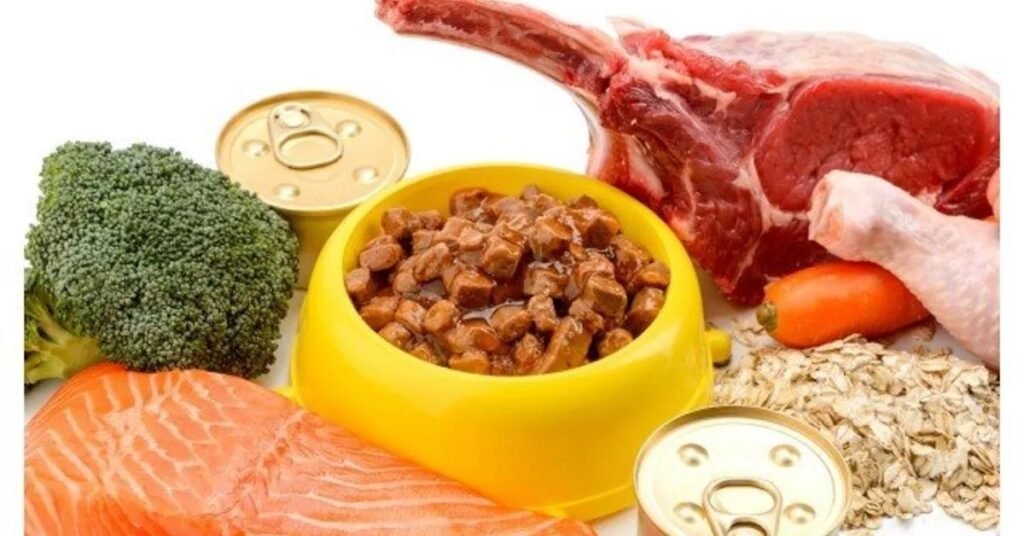
Many of these foods include lean protein, healthy fiber, probiotics, and omega-3 fatty acids. These ingredients support digestion and help keep the stomach healthy. They can also improve your dog’s energy, coat, and overall well-being.
Below, you will find the 10 best dog foods for a sensitive stomach in 2026. Each option has unique benefits and is made to support gentle digestion. Compare the ingredients and features to choose the best food for your dog’s needs.
Wet vs. Dry Dog Food
Wet and dry dog food can both be good for dogs with sensitive stomachs. Its high moisture content helps keep dogs hydrated. Dry food is easy to store, costs less, and helps reduce plaque on teeth. The best choice depends on your dog’s needs and preferences.
Many pet owners use both wet and dry food to give their dogs a balanced diet. Look for products with high-quality protein and easy-to-digest ingredients. Always switch to a new food slowly to avoid upsetting your dog’s stomach.
Table
| Feature | Wet Dog Food | Dry Dog Food |
| Texture | Soft and moist | Crunchy and dry |
| Moisture Content | About 70–80% | About 8–12% |
| Best For | Dogs that need extra hydration | Dogs that prefer crunchy food |
| Digestion | Easy to chew and digest | Good when made with quality ingredients |
| Shelf Life | Short after opening | Longer shelf life |
| Storage | Refrigerate after opening | Store in a cool, dry place |
| Dental Health | Less helpful for teeth | May help reduce plaque |
| Cost | Higher | More affordable |
| Feeding Convenience | Needs refrigeration | Easy to measure and serve |
| Suitable for Senior Dogs | Yes | Yes, if kibble size is suitable |
| Typical Price (Wet) | $2–$5 per 12–13 oz can | — |
| Typical Price (Dry) | — | $25–$90 per 15–30 lb bag |
| Best Choice | Dogs with poor appetite or hydration needs | Dogs needing a budget-friendly daily diet |
Grain-Free vs. Grain-Inclusive
Grain-free and grain-inclusive dog foods can both be good for dogs with sensitive stomachs. Instead of grains, grain-free food uses ingredients like peas, lentils, or potatoes.Grain-free and grain-inclusive dog foods can both be good for dogs with sensitive stomachs. Grain-free food replaces grains with ingredients like peas, lentils, or potatoes. Grain-inclusive food contains healthy grains such as rice, oats, or barley, which many dogs digest well. The best choice depends on your dog’s health and your veterinarian’s advice.

Not all dogs need a grain-free diet. Many dogs do well with grain-inclusive food, especially if it contains easy-to-digest grains. If your dog has a grain allergy or intolerance, grain-free food may be a better option. Always read the ingredient list and choose a balanced, high-quality formula.Grain-free food replaces grains with ingredients like peas, lentils, or potatoes.
Table
| Feature | Grain-Free Dog Food | Grain-Inclusive Dog Food |
| Main Carbohydrate Source | Peas, lentils, potatoes | Rice, oats, barley, or corn |
| Best For | Dogs with grain intolerance | Most healthy dogs |
| Digestion | Easy for some dogs | Easy for many dogs |
| Protein Content | Often higher | Balanced protein levels |
| Fiber Source | Legumes and vegetables | Whole grains and vegetables |
| Energy Source | Potatoes and legumes | Healthy whole grains |
| Allergy Risk | Good for grain-sensitive dogs | Good unless a grain allergy exists |
| Nutritional Balance | Varies by formula | Usually well balanced |
| Taste | Rich and meaty | Mild and natural |
| Cost | Usually more expensive | Usually more affordable |
| Availability | Wide selection | Very wide selection |
| Recommended For | Dogs with specific dietary needs | Daily feeding for most dogs |
| Veterinary Advice | Recommended only when needed | Suitable for most dogs unless advised otherwise |
Feeding Tips for Sensitive Dogs
Feed your dog the same food every day if it works well for their stomach. Avoid changing foods too often because it can cause digestive problems. If you need to switch foods, do it slowly over 7 to 10 days.

Give your dog small meals instead of one large meal. Smaller portions are easier to digest and may help prevent stomach upset. Make sure your dog always has access to clean, fresh water.
Choose high-quality dog food with simple and natural ingredients. Avoid giving table scraps, spicy foods, or too many treats. Watch your dog’s digestion and speak with your veterinarian if stomach problems continue.
Common Feeding Mistakes
Many dog owners change their dog’s food too quickly. This can upset a sensitive stomach and cause vomiting or diarrhea. Always introduce new food slowly over 7 to 10 days.
Giving too many treats or table scraps is another common mistake. Fatty, spicy, or rich foods can cause digestive problems. Keep treats in moderation and choose healthy options made for dogs.
Overfeeding or feeding at irregular times can also upset your dog’s stomach. Measure each meal and follow the feeding guide on the package. A regular feeding schedule helps support healthy digestion and keeps your dog feeling its best.
Conclusion
Choosing the best dog food for a sensitive stomach can improve your dog’s health and comfort. Look for high-quality ingredients that are easy to digest and avoid foods that may trigger stomach problems. The right diet can support healthy digestion, better energy, and a happier life.
Every dog is different, so take time to find the food that works best for your pet. Introduce new food slowly and watch how your dog responds. If stomach issues continue, talk to your veterinarian for the best advice and care.
FAQs
1. What is the best dog food for a sensitive stomach?
The best dog food contains easy-to-digest ingredients, high-quality protein, and added probiotics or fiber to support healthy digestion.
2. How do I know if my dog has a sensitive stomach?
Common signs include vomiting, diarrhea, gas, loose stools, poor appetite, and stomach discomfort after eating.
3. Is grain-free dog food better for sensitive stomachs?
Not always. Many dogs digest healthy grains like rice and oats without problems. Grain-free food is only needed if your dog has a grain intolerance or allergy. Give your dog small meals instead of one large meal.
4. How long does it take for a new dog food to work?
Most dogs adjust within 7 to 10 days when food is switched slowly. Digestive improvements may take a few weeks.
5. Should I talk to a veterinarian before changing my dog’s food?
Yes. If your dog has frequent stomach problems or ongoing digestive issues, a veterinarian can recommend the most suitable diet and rule out underlying health conditions.
Related Posts

Cat Food Tips Every Pet Owner Should Know
Cat food is made to give cats the nutrients they…
Turtle Food: What Should Your Turtle Eat?
Turtle food includes the different foods that turtles need for…

10 Best Sheba Cat Food Options for Healthy Cats
Sheba cat food is a popular choice for many cat…
One Reply to “10 Best Dog Foods for a Sensitive Stomach in 2026”