Turtle food includes the different foods that turtles need for growth and good health. It can include commercial turtle pellets, leafy greens, vegetables, insects, and other suitable foods. The right diet depends on the turtle’s species, age, and lifestyle.
Feeding a turtle may seem simple, but choosing the wrong food can cause problems. Some turtles need more plant-based foods, while others need more animal protein. Knowing what your turtle needs can help you avoid poor nutrition and support a healthier pet.
In this guide, we will explore the best turtle food options and feeding habits. You will learn what turtles can eat, which foods to limit, and how to provide a balanced diet. These simple tips can make daily feeding easier for every turtle owner.
What Is Turtle Food and Why Does It Matter?
Turtle food refers to the foods that provide turtles with the nutrients they need. It can include turtle pellets, leafy greens, vegetables, fruits, and protein sources. The right food depends on the turtle’s species, age, and natural diet.
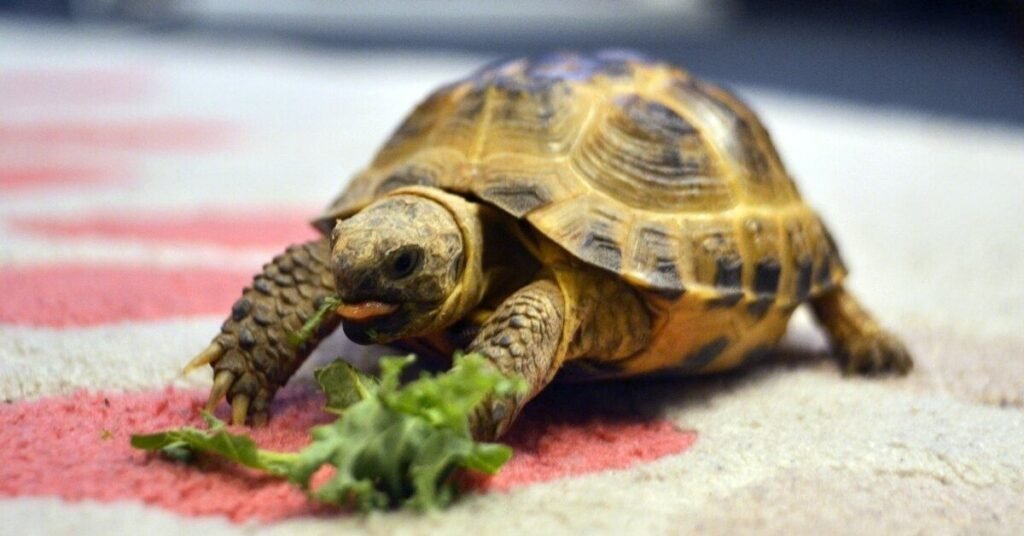
A healthy diet plays an important role in a turtle’s daily life. Good food supports normal growth, energy, and strong body development. Poor food choices may lead to nutritional problems and affect overall health.
Choosing suitable turtle food helps you care for your pet properly. Offer a balanced mix based on your turtle’s needs. Also, provide clean water and avoid foods that may be harmful.
What Do Turtles Eat in the Wild?
Turtles eat different foods in their natural habitats. Their diet depends on their species and where they live. Some turtles mainly eat plants, while others eat insects, small animals, and aquatic creatures.
Aquatic turtles may eat insects, worms, snails, small fish, and water plants. Land turtles often enjoy grasses, leafy plants, flowers, and wild vegetables. Some species also eat small amounts of fruit when it is available.
Wild turtles usually get food from their surroundings. They search for suitable plants and small creatures as they move around. Their natural diet gives them important nutrients and helps them stay active and healthy.
Understanding the Nutritional Needs of Turtles
Turtles need a balanced diet to stay healthy and active. Their nutritional needs vary by species, age, and habitat. Protein supports growth and body development. Calcium helps maintain strong bones and shells. Vitamins and minerals also support normal body functions. Fresh water is important, especially for aquatic turtles.
Table
| Nutrient | Why Turtles Need It | Common Food Sources |
| Protein | Supports growth and tissue repair | Insects, worms, fish, turtle pellets |
| Calcium | Helps support strong bones and shells | Leafy greens, calcium supplements, suitable pellets |
| Fiber | Supports healthy digestion | Grasses, leafy greens, vegetables |
| Vitamins | Supports normal body functions | Leafy greens, vegetables, selected fruits |
| Minerals | Helps support overall health | Vegetables, greens, balanced pellets |
| Healthy fats | Provides energy and supports body functions | Insects, fish, formulated turtle foods |
| Water | Helps with hydration and normal body functions | Clean drinking water, fresh habitat water |
Different Types of Turtle Food
Turtles can eat several types of food. The best choice depends on the turtle’s species and age. A balanced diet may include commercial pellets, vegetables, leafy greens, insects, and other suitable foods. Fresh and clean food should always be offered.
Commercial turtle pellets provide many important nutrients in one meal. They can make feeding easier for pet owners. Fresh vegetables and leafy greens can also add fiber and vitamins. Some turtles need animal-based foods, such as insects, worms, or small fish, to get enough protein.
Fruits can work as an occasional treat for some turtle species. However, they should not replace the main diet. Avoid processed foods, salty snacks, and other foods that turtles cannot digest well. Offering the right variety can help support steady growth and overall health.
Best Turtle Food for Different Turtle Species
Different turtle species need different diets, so you should choose turtle food based on their natural eating habits and age. A balanced diet may include:
- Aquatic turtles: Turtle pellets, insects, worms, leafy greens, and suitable aquatic foods.
- Box turtles: Leafy greens, vegetables, insects, worms, and small amounts of fruit.
- Tortoises: Grasses, leafy greens, flowers, and other high-fiber plant foods.
- Young turtles: Species-appropriate food with enough protein to support growth.
Food Choices for Aquatic Turtles
Aquatic turtles need a varied diet to stay healthy and active. Their food can include turtle pellets, insects, worms, small fish, and leafy greens. Young turtles often need more protein as they grow.
Good food choices include:
- Turtle pellets: Provide important nutrients for daily feeding.
- Insects and worms: Offer protein and variety.
- Leafy greens: Add useful vitamins and fiber.
- Small fish: Can provide protein for suitable species.
- Aquatic plants: Some turtles enjoy plants as part of their diet.
Always choose food according to your turtle’s species and age. Remove uneaten food from the tank to help keep the water clean.
Food Choices for Land Turtles
Land turtles need a diet that mainly includes fresh plant foods. Leafy greens, grasses, vegetables, and safe flowers can provide useful nutrients and fiber. The exact diet depends on the turtle’s species and age.
Good choices include romaine lettuce, dandelion greens, collard greens, mustard greens, squash, and other suitable vegetables. Some land turtles can also enjoy small amounts of safe fruits as an occasional treat. Fresh foods should be washed well before serving.
Avoid giving land turtles processed foods, salty snacks, or foods with added sugar. Provide clean drinking water every day and offer a varied diet. Proper food choices can support healthy growth, digestion, and shell development.
Vegetables and Greens Turtles Can Eat
Many turtles enjoy fresh vegetables and leafy greens as part of a balanced diet. Suitable choices can include collard greens, mustard greens, dandelion greens, romaine lettuce, and turnip greens. These foods provide fiber and several useful vitamins and minerals.
Turtles can also eat vegetables such as squash, bell peppers, carrots, and cucumber in suitable amounts. Wash all produce well before feeding it to your turtle. Cut larger pieces into small, easy-to-eat portions.
Offer a variety of safe greens instead of relying on one food every day. Choose foods according to your turtle’s species and natural diet. Avoid vegetables that may cause digestive problems or provide poor nutrition when fed too often.
Protein Sources for Healthy Turtle Growth
Protein supports growth and helps turtles maintain healthy body tissues. Many aquatic turtles need animal-based protein, especially when they are young. Good options can include insects, earthworms, and species-appropriate commercial turtle pellets.
Safe protein choices may include mealworms, crickets, earthworms, and small feeder fish for suitable aquatic species. These foods add variety to a turtle’s diet. Always choose clean, healthy food from a reliable source.
Do not give turtles raw meat, seasoned foods, or processed snacks as protein sources. Too much protein can also create an unbalanced diet for some species. Follow the feeding needs of your turtle’s species and age for better nutrition.
Fruits Turtles Can Eat as Occasional Treats
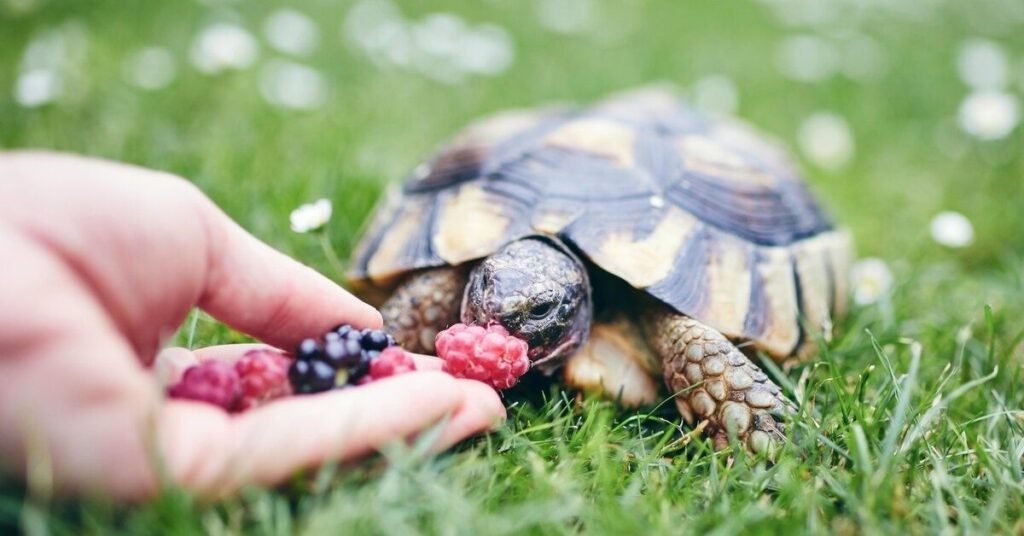
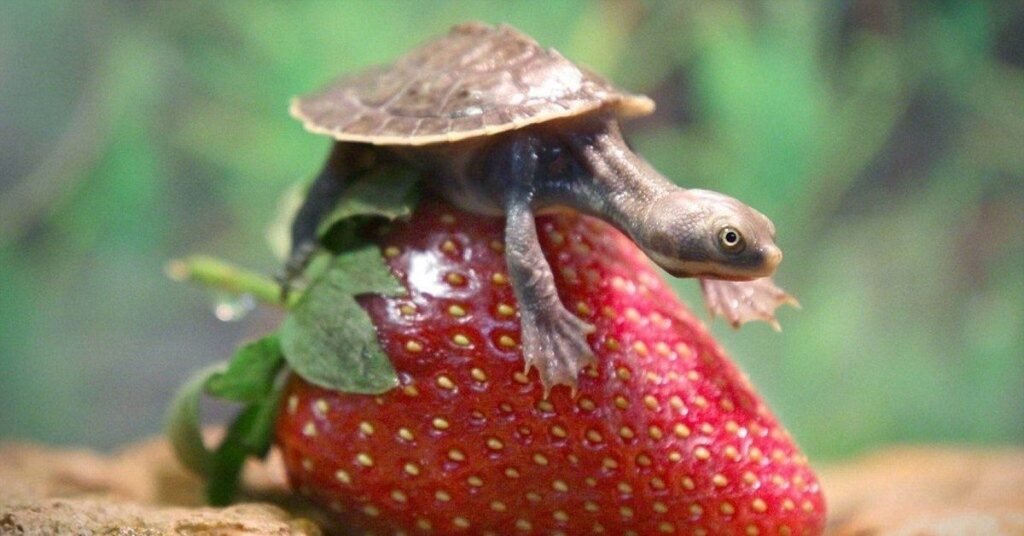
Some turtles can enjoy small amounts of fruit as an occasional treat. Suitable choices may include strawberries, apples, melon, papaya, and blueberries. Fruit adds natural sweetness and can provide some vitamins and water.
Always wash fruit before giving it to your turtle. Remove seeds, pits, and hard parts that may cause problems. Cut the fruit into small pieces that your turtle can eat easily.
Do not offer fruit too often. Many fruits contain natural sugar, so they should not replace the main diet. Choose fruits based on your turtle’s species and normal dietary needs.
Foods You Should Never Feed Your Turtle
Some foods can harm turtles or upset their digestion. Avoid giving them processed snacks, chips, candy, chocolate, and salty foods. These items do not provide the nutrients turtles need and may cause health problems.
Do not feed turtles raw meat, dairy products, or heavily seasoned foods. Avoid foods with added sugar, salt, or spices. Also, never offer unknown plants because some can be poisonous to turtles.
Always choose food that matches your turtle’s species and natural diet. Keep meals fresh and remove uneaten food after feeding. A safe diet helps your turtle grow well and stay active.
How Much Turtle Food Should You Feed?
The right amount of turtle food depends on the turtle’s species, age, size, and activity level. Young turtles often need more frequent meals because they grow quickly. Adult turtles may need smaller portions and fewer meals.
Give only enough food that your turtle can finish within a short feeding period. Watch your turtle while it eats and remove leftover food to keep the habitat clean. Avoid overfeeding, as extra food can lead to poor health and dirty water.
Use your turtle’s body condition and normal behavior as helpful guides. Follow feeding instructions for species-specific commercial food when available. A varied diet with suitable portions can support steady growth and good health.
How Often Should You Feed a Turtle?
Feeding frequency depends on your turtle’s species, age, and diet. Young turtles usually need food more often because they are growing quickly. Adult turtles often need fewer meals each week.
Aquatic turtles may eat daily when they are young. As they mature, you can usually reduce their feeding schedule. Land turtles often eat plant foods regularly, but the exact routine varies between species.
Watch your turtle’s appetite and activity when planning meals. Give suitable portions and remove leftover food from the habitat. A consistent feeding routine can help your turtle stay healthy without overeating.
Tips for Creating a Balanced Turtle Diet
A balanced turtle diet should match your turtle’s species, age, and natural eating habits. Offer a mix of suitable foods instead of giving the same item every day. Include the right balance of vegetables, greens, protein, and other foods your turtle needs.
Fresh food can add useful nutrients to daily meals. Wash vegetables and greens before serving them. You can also use quality commercial turtle food when it suits your turtle’s species. Clean drinking water should always be available.
Avoid overfeeding and limit treats such as fruit. Remove leftover food from the habitat to keep it clean. A varied and suitable diet can support healthy growth, strong shells, good digestion, and normal activity.
Common Turtle Feeding Mistakes to Avoid
One common mistake is giving a turtle too much food. Overfeeding can lead to weight problems and poor nutrition. Many owners also give the same food every day, which may not provide all the nutrients a turtle needs.
Another mistake is choosing food without considering the turtle’s species and age. Aquatic turtles and land turtles have different dietary needs. Avoid feeding processed snacks, salty foods, sugary treats, or other unsuitable foods.
Poor feeding habits can also affect the turtle’s habitat. Leaving uneaten food in the tank can make the water dirty and unpleasant. Give suitable portions, offer fresh foods, and keep a regular feeding routine for better care.
Conclusion
Choosing the right turtle food is important for your turtle’s health and growth. A balanced diet should match the turtle’s species, age, and natural eating habits. Fresh greens, vegetables, suitable protein, and quality turtle food can provide useful nutrients.
Good feeding habits also make turtle care easier. Give proper portions and avoid harmful foods. With a varied diet, clean water, and regular care, you can help your turtle stay active and healthy.
FAQs
1. What is the best food for turtles?
The best food depends on the turtle’s species and age. A balanced diet can include suitable pellets, greens, vegetables, and protein.
2. Can turtles eat fruits?
Yes, some turtles can eat small amounts of suitable fruit. Offer fruit as an occasional treat rather than a main food.
3. Can turtles eat vegetables?
Yes, many turtles can eat safe vegetables and leafy greens. Wash and cut them into suitable pieces before feeding.
4. How often should I feed my turtle?
Young turtles often eat more frequently than adults. The feeding schedule should match the turtle’s species, age, and dietary needs.
5. What foods should turtles avoid?
Avoid processed snacks, chocolate, salty foods, sugary treats, dairy products, and heavily seasoned foods.
Related Posts

Why Jinx Dog Food Is a Great Choice for Your Pet
Jinx dog food is a premium pet food made to…
Best Fancy Feast Wet Cat Food for Every Life Stage
Fancy Feast wet cat food is a popular choice for…

10 Things to Know About Blue Buffalo Puppy Food
Blue Buffalo puppy food is a pet food brand that…