Grain-free cat food is made without common grains like wheat, corn, or rice. Instead, it uses ingredients such as meat, fish, vegetables, and legumes. Many cat owners choose this food to give their cats a high-protein diet. It can be a good option for some cats, depending on their needs.
Choosing the right cat food is not always easy. There are many brands and recipes to compare. Kittens, adult cats, and senior cats all have different nutritional needs. Picking the right cat food can help support your cat’s health and daily energy.
This guide explains the best cat food options for every life stage. You will learn about the benefits, important ingredients, and how to choose the right food for your cat. The goal is to help you make a smart and confident choice for your furry friend.
What Is Grain-Free Cat Food?
Grain-free cat food is made without grains like wheat, corn, rice, or barley. It uses other ingredients instead. These may include meat, fish, peas, potatoes, or lentils. Many recipes are rich in animal protein.
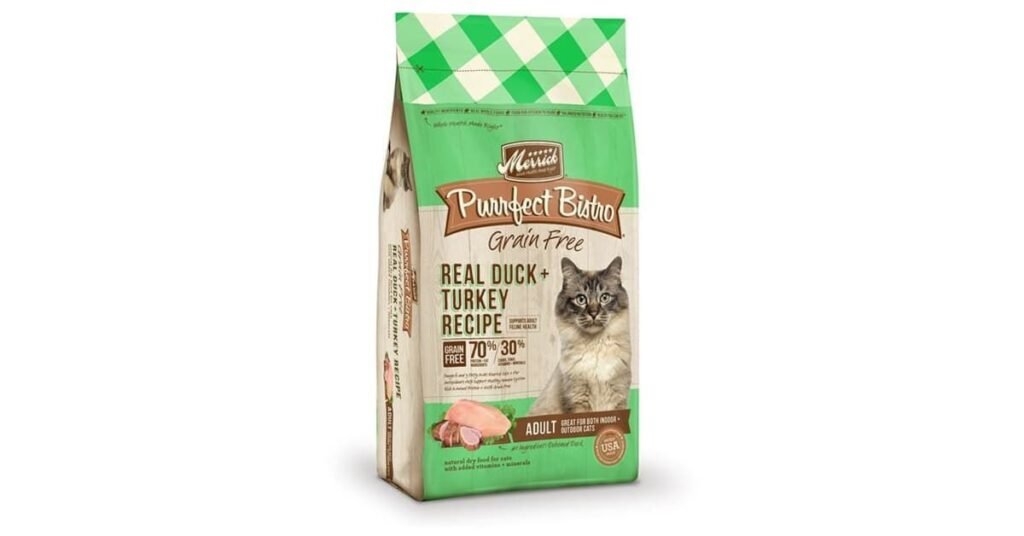
Cats are natural meat eaters. They need protein to stay healthy and active. This cat food focuses on providing high-quality protein and balanced nutrition. It can be a suitable choice for some cats based on their needs.
Not every cat needs a grain-free diet. Some cats do well with regular cat food that contains grains. The best choice depends on your cat’s age, health, and your veterinarian’s advice. Always check the ingredient list before buying any cat food.
Benefits of Grain-Free Cat Food
Grain-free cat food is often rich in animal protein. Protein helps support strong muscles and healthy body functions. Many recipes also include vitamins and minerals that help keep your cat active. A balanced diet can support overall health.
Some cats may digest grain-free cat food more easily. It can be a good option for cats with certain food sensitivities. Many grain-free recipes also contain healthy fats. These fats help support a shiny coat and healthy skin.
Grain-free cat food comes in many flavors and formulas. This makes it easier to find a recipe your cat enjoys. Choosing a high-quality formula with real meat and complete nutrition is important. Always pick food that matches your cat’s age and health needs.
Types of Grain Free Cat Food
Grain-free cat food comes in different types. Each type offers its own benefits. Some are better for hydration, while others are more convenient for daily feeding. The best choice depends on your cat’s age, health, and eating habits.
Many pet owners also mix different types of grain-free cat food. For example, they serve dry food during the day and wet food at mealtime. This gives cats variety and balanced nutrition. Always choose a complete and balanced formula made with high-quality ingredients.
| Type of Grain Free Cat Food | Texture | Main Benefits | Best For | Possible Drawbacks |
| Dry Cat Food (Kibble) | Crunchy | Easy to store, supports dental health, budget-friendly | Adult cats, free-feeding | Lower moisture content |
| Wet Cat Food | Soft and moist | High moisture, tasty, easy to chew | Kittens, senior cats, cats needing more hydration | Costs more and spoils after opening |
| Freeze-Dried Cat Food | Dry pieces | High in protein, keeps nutrients, lightweight | Cats that enjoy raw-style diets | Needs proper preparation in some cases |
| Raw Grain Free Cat Food | Fresh or frozen | Rich in natural protein and nutrients | Experienced pet owners | Requires careful handling and storage |
| Dehydrated Cat Food | Dried mix | Long shelf life and easy to prepare | Cats needing fresh-style meals | Must be mixed with water before serving |
| Limited Ingredient Cat Food | Wet or dry | Fewer ingredients, helpful for food sensitivities | Cats with allergies or sensitive stomachs | Fewer flavor choices |
| High-Protein Grain Free Cat Food | Wet or dry | Supports muscle health and energy | Active and growing cats | May not suit every cat’s needs |
| Indoor Grain Free Cat Food | Wet or dry | Helps with weight control and hairballs | Indoor cats | Formula may vary by brand |
| Kitten Grain Free Cat Food | Small, soft or dry | Supports growth and brain development | Kittens under one year | Not suitable for adult cats long term |
| Senior Grain Free Cat Food | Soft or dry | Supports joint health and easy digestion | Senior cats | May contain fewer calories than adult formulas |
Best Ingredients in Grain Free Cat Food
High-quality animal protein is the most important ingredient in grain-free cat food. Look for real chicken, turkey, salmon, beef, or duck as the first ingredient. These proteins help build strong muscles and support your cat’s daily energy. Cats need animal protein to stay healthy.
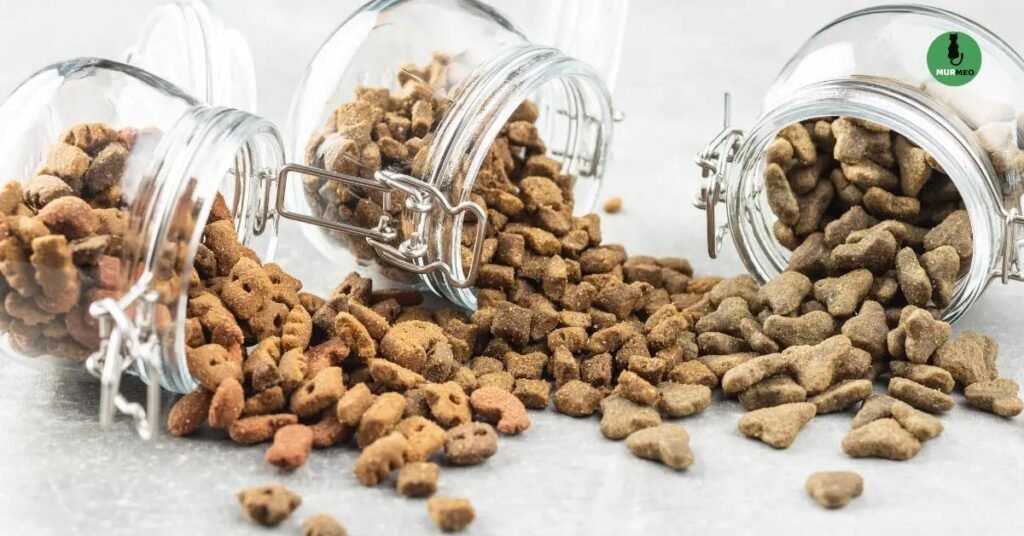
Healthy fats are also important. Ingredients like chicken fat and fish oil provide energy and support healthy skin and a shiny coat. Many recipes also include vegetables such as sweet potatoes, peas, or pumpkin. These ingredients provide fiber, vitamins, and minerals to support better digestion.
Good grain-free cat food also contains essential nutrients. Taurine supports heart and eye health. Vitamins and minerals help keep the immune system strong. Natural preservatives and probiotics can also improve freshness and digestive health. Always choose a complete and balanced formula made with quality ingredients.
Ingredients to Avoid
Avoid grain-free cat food that contains artificial colors, artificial flavors, and chemical preservatives because they do not add nutritional value. It is also best to avoid foods with excessive fillers or unnamed meat by-products, as these may be lower in quality.
- Artificial colors
- Artificial flavors
- Chemical preservatives (such as BHA and BHT)
- Excessive fillers
- Unnamed meat by-products
- Too much added sugar or salt
Grain Free Cat Food for Kittens
Kittens need a healthy diet to grow strong and active. Grain-free cat food made for kittens is rich in protein and healthy fats. These nutrients support muscle growth, brain development, and strong bones. Always choose a formula made for young cats.
Look for kitten food with real chicken, turkey, salmon, or other quality meat as the first ingredient. It should also contain taurine, vitamins, and minerals to support healthy eyes, heart, and immune function. Soft wet food can be easier for young kittens to chew. Dry food made for kittens is also a good option when they are ready.
Feed your kitten the right amount based on its age and weight. Fresh water should always be available. Change to a new food slowly to avoid stomach upset. Regular checkups with your veterinarian can help ensure your kitten is growing well.
Grain Free Cat Food for Adult Cats
Adult cats need balanced nutrition to stay healthy and active. Cat food can provide high-quality protein from real meat or fish. Protein helps maintain strong muscles and supports daily energy. A complete formula also provides essential vitamins and minerals.
Choose this cat food that matches your cat’s lifestyle. Indoor cats may need fewer calories to help maintain a healthy weight. Active outdoor cats often need more protein and energy. Wet and dry food can both be good choices when they offer complete and balanced nutrition.
Feed your adult cat the recommended amount based on its weight and activity level. Always provide fresh, clean water with every meal. If you switch to a new food, do it slowly over several days. This helps your cat adjust and supports healthy digestion.
Grain Free Cat Food for Senior Cats
Senior cats need a diet that supports healthy aging. Grain-free cat food with real meat provides high-quality protein to help maintain muscle strength. Many senior formulas also include vitamins and minerals for overall health. A balanced diet helps older cats stay active.
Look for recipes with easy-to-digest ingredients and healthy fats. Omega-3 fatty acids can help support healthy joints and a shiny coat. Wet grain-free cat food is often a good choice because it is soft and adds extra moisture. This can make eating easier for older cats.
Feed your senior cat the right amount based on its age, weight, and activity level. Keep fresh water available throughout the day. Regular veterinary checkups can help you choose the best grain-free cat food for your cat’s changing needs.
Wet vs. Dry Grain Free Cat Food
Wet grain-free cat food has a high moisture content. It helps keep cats hydrated and is often easier to chew. Many kittens and senior cats enjoy its soft texture. However, it usually costs more and must be refrigerated after opening.
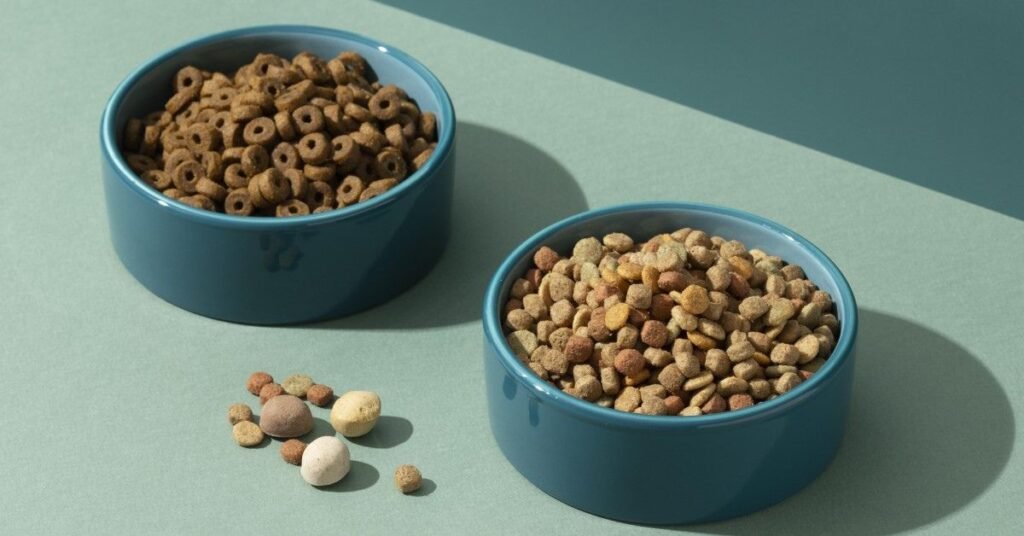
Dry cat food is easy to store and can stay fresh longer. Its crunchy texture may help reduce plaque on the teeth. It is also more affordable for many pet owners. Always provide fresh water because dry food contains less moisture.
Both wet and dry, this cat food can provide complete and balanced nutrition. The best choice depends on your cat’s age, health, and personal preference. Some owners feed a mix of both types to give their cats variety and extra hydration.
How to Choose Grain-Free Cat Food
Start by checking the ingredient list. Real meat or fish should be the first ingredient. Choose a formula that is complete and balanced for your cat’s life stage. Good-quality protein is important for overall health.
Think about your cat’s age, size, and activity level. Kittens, adult cats, and senior cats have different nutritional needs. If your cat has allergies or a sensitive stomach, look for a limited-ingredient recipe. This can make digestion easier for some cats.
Read the feeding guide before buying the food. Choose a trusted brand that follows quality and safety standards. Introduce new grain-free cat food slowly over several days to avoid stomach upset. If you are unsure, ask your veterinarian for advice.
How Much Grain-Free Cat Food to Feed
The right amount of grain-free cat food depends on your cat’s age, weight, and activity level. Kittens usually need more food than adult cats because they are growing. Senior cats may need smaller portions if they are less active. Always check the feeding guide on the package.
Measure each meal instead of filling the bowl. This helps prevent overfeeding and supports a healthy weight. If you feed both wet and dry grain-free cat food, adjust the portions to match your cat’s daily calorie needs. Fresh, clean water should always be available.
Watch your cat’s body condition and eating habits. If your cat gains or loses too much weight, adjust the amount of food gradually. Regular veterinary checkups can help you decide the best feeding plan. Every cat is different, so feeding needs may change over time.
Common Mistakes to Avoid
Many cat owners change to grain-free cat food too quickly. This can upset a cat’s stomach and cause digestive problems. Always switch to new food slowly over seven to ten days. A gradual change helps your cat adjust more comfortably.
Another common mistake is feeding too much or too little food. Overfeeding can lead to weight gain, while underfeeding may not provide enough nutrition. Follow the feeding guide and adjust portions based on your cat’s age, weight, and activity level.
Some people choose cat food based only on price or packaging. It is better to read the ingredient list and look for a complete and balanced formula. Avoid foods with low-quality ingredients or artificial additives. Regular veterinary checkups can also help you make better feeding choices.
Tips for Switching to Grain-Free Cat Food
Switch to this cat food slowly instead of changing it all at once. Mix a small amount of the new food with your cat’s current food. Increase the new food a little each day. Most cats adjust within seven to ten days.
Watch your cat during the transition. Check for changes in appetite, digestion, and energy levels. Mild changes can happen at first, but ongoing problems should not be ignored. If your cat seems unwell, contact your veterinarian.
Keep fresh water available at all times. Follow the feeding guide on the food package to avoid overfeeding. Be patient if your cat is a picky eater. A slow and steady change helps your cat enjoy the new cat food more comfortably.
Conclusion
Choosing the right grain-free cat food can help support your cat’s health at every stage of life. The best option depends on your cat’s age, activity level, and nutritional needs. Always look for high-quality ingredients and a complete, balanced formula. A healthy diet can help your cat stay active and happy.
Take your time when changing your cat’s food and watch how your cat responds. Feed the right portion and keep fresh water available every day. Regular veterinary checkups can help you make the best feeding decisions. With the right care and nutrition, your cat can enjoy a healthy and comfortable life.
FAQs
1. Is grain-free cat food better for all cats?
No. Some cats do well on grain-free cat food, while others stay healthy on diets that include grains. Choose food based on your cat’s needs.
2. Can kittens eat grain-free cat food?
Yes. Kittens can eat grain-free cat food if it is specially made for kittens and provides complete and balanced nutrition.
3. How do I switch my cat to grain-free cat food?
Mix the new food with the old food over 7–10 days. This helps prevent stomach upset and allows your cat to adjust slowly.
4. Can I feed both wet and dry grain free cat food?
Yes. Many owners combine wet and dry grain free cat food to provide variety, balanced nutrition, and extra moisture.
5. What should I look for when buying grain free cat food?
Choose a formula with real meat as the first ingredient, essential nutrients, and no artificial colors, flavors, or preservatives.
Related Posts
10 Things to Know About Blue Buffalo Puppy Food
Blue Buffalo puppy food is a pet food brand that…
Why Jinx Dog Food Is a Great Choice for Your Pet
Jinx dog food is a premium pet food made to…

10 Best Dog Foods for a Sensitive Stomach in 2026
Some dogs have sensitive stomachs and need special care with…
One Reply to “Top Grain-Free Cat Food Options for Every Life Stage ”