Here is a simple, natural introduction with short sentences and a clear hook.
Distilled water is water that has been purified through a process called distillation. During this process, water is heated until it turns into steam. The steam is then cooled and changed back into liquid water. This process removes many minerals, salts, and impurities from the water.
But can you drink distilled water every day without any concerns? Many people choose it because it looks clean and pure. However, distilled water is different from regular drinking water because it contains very few minerals. This makes its daily use a topic worth understanding.
In this article, we will look at the benefits and possible drawbacks of drinking distilled water every day. We will also discuss hydration, mineral intake, and who may want to choose another type of drinking water. These simple facts can help you make a better choice for your daily routine.
Can You Drink Distilled Water Every Day?
Yes, you can drink distilled water every day. It is purified through distillation. This process removes many impurities and minerals from the water. It can help you stay hydrated throughout the day.
However, distilled water contains very few minerals. Calcium and magnesium are mostly removed during distillation. Your body usually gets these minerals from food. A balanced diet can help provide what your body needs.
For most healthy adults, drinking distilled water can be part of a normal diet. Still, it may not be the best choice for everyone. If you drink it regularly, focus on getting enough minerals from healthy foods and other suitable drinks.
What Distilled Water Is
Distilled water is water that has gone through a special cleaning process. It starts as regular water. Heat turns the water into steam and leaves many impurities behind.
The steam is then cooled and changed back into liquid water. This process removes many minerals, salts, and other unwanted substances. The result is clean water with very few minerals.
Distilled water has a simple and clean taste. People often use it for drinking, cooking, and other purposes. It can also be useful when very pure water is needed.
How It Differs From Regular Drinking Water
Distilled water differs from regular drinking water mainly in its mineral content. Distillation removes most minerals, such as calcium and magnesium. Regular drinking water usually contains some natural minerals.
The taste can also feel different. Distilled water often has a very light or flat taste because it contains fewer minerals. Regular water may have a stronger taste based on its mineral content and source.
Both types can help keep your body hydrated. However, regular drinking water may provide small amounts of useful minerals. Your diet can also provide these minerals when you choose distilled water.
How Is Distilled Water Made?
Distilled water is made through a simple purification process. First, water is heated until it reaches a boiling point. The heat turns the water into steam and leaves many impurities behind.
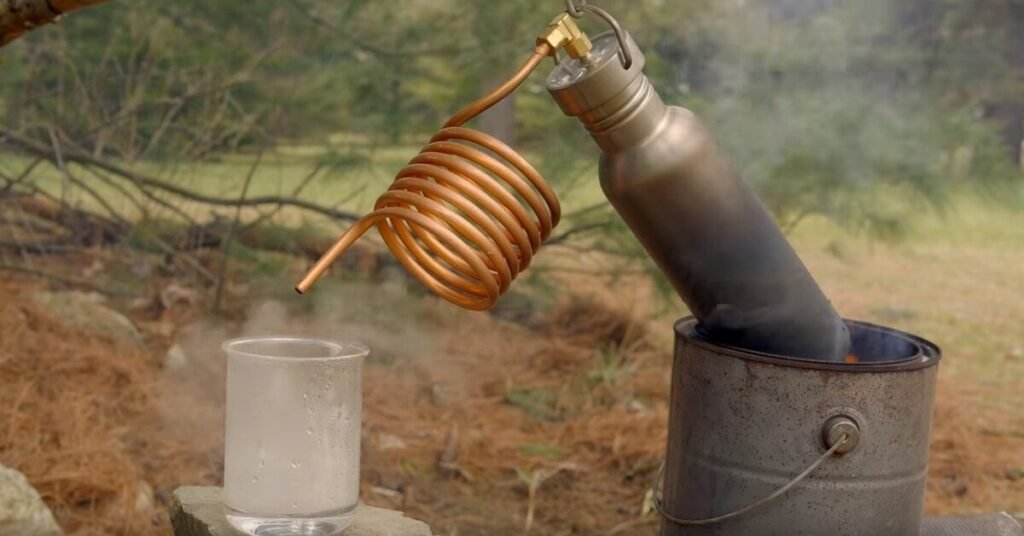
Next, the steam moves into a separate cooling area. It cools down and changes back into liquid water. This collected liquid becomes distilled water.
The process removes many minerals, salts, and other impurities from the original water. It produces water with very low mineral content. Proper equipment and clean containers help keep the distilled water pure.
Heating and Steaming Process
The distillation process starts with heating the water. A heating system raises the water temperature until it reaches boiling point. The heat changes the liquid water into steam.
As the water boils, many minerals and impurities stay behind. The steam rises away from these substances. This helps separate water from unwanted materials.
The steam then moves toward a cooling area. The system cools the steam and changes it back into liquid water. This step prepares the water for collection as distilled water.
Cooling and Collection
After heating, the water turns into steam. The steam moves into a separate cooling area. Cooler temperatures help change the steam back into liquid water.
The liquid water collects in a clean container. Most minerals and many impurities remain behind during the distillation process. This gives the collected water a very low mineral content.
Clean equipment helps protect the water from new contaminants. The distilled water can then be stored in a suitable container. Proper storage helps maintain its quality.
Removal of Impurities
Distillation helps remove many impurities from water. The water is heated until it becomes steam. Many minerals, salts, and other substances stay behind during this process.
The steam moves away from the remaining impurities. It then cools and turns back into liquid water. This helps produce water with fewer dissolved substances.
Distillation can reduce many unwanted materials, but it does not remove every possible contaminant in every situation. Proper equipment and safe storage also matter. Clean containers help protect the distilled water after collection.
Is Distilled Water Safe to Drink?
Yes, distilled water is generally safe to drink. The distillation process removes many impurities, minerals, and other dissolved substances. It can provide clean water for daily hydration.
However, distilled water contains very few minerals. Your body gets important minerals from foods such as vegetables, fruits, dairy products, nuts, and whole grains. A balanced diet can help meet these needs.
You can drink distilled water as part of a healthy lifestyle. Still, people with certain health needs should ask a healthcare professional before making it their main drinking water. Clean storage also helps keep distilled water safe.
General Safety
Distilled water is generally safe for healthy people to drink. The distillation process removes many impurities from the original water. It also removes most minerals, such as calcium and magnesium.
Drinking distilled water can support normal hydration. However, it does not provide many minerals that regular drinking water may contain. A balanced diet can help you get these minerals from food.
Always store distilled water in a clean, covered container. Avoid using damaged or dirty bottles. Proper storage helps prevent contamination and keeps the water fresh.
Who Can Drink It
Most healthy adults can drink distilled water safely. It can provide hydration like other types of drinking water. Many people choose it because the distillation process removes many impurities.
Children can also drink distilled water when it comes from a safe and reliable source. However, their overall diet should provide enough essential minerals. Parents should choose suitable drinking water based on the child’s needs.
People with specific health conditions should speak with a healthcare professional before using distilled water as their main drinking water. Individual needs can vary. A balanced diet remains important for everyone.
When to Be Cautious
Most healthy people can drink distilled water without problems. However, you should be cautious if you plan to use it as your only drinking water for a long time. Distilled water contains very few minerals.
People with certain medical conditions may have special fluid or mineral needs. They should talk to a healthcare professional before making distilled water their main source of drinking water. This can help them choose a suitable option.
You should also check how the water is stored. Use clean containers and keep them covered. Poor storage can introduce new contaminants and affect water quality.
Can You Drink Distilled Water for Hydration?
Yes, you can drink distilled water for hydration. Your body absorbs water from distilled water just as it does from other safe drinking water. It can help replace fluids lost through daily activities.
Distilled water contains very few minerals because the distillation process removes most dissolved substances. However, you usually get minerals such as calcium and magnesium from your food. A balanced diet can help support your mineral needs.
For everyday hydration, distilled water can be one suitable option for many healthy people. Drink enough fluids throughout the day, especially during hot weather or exercise. If you have special health needs, ask a healthcare professional about the best type of water for you.
How It Hydrates the Body
Distilled water hydrates the body by providing the fluid it needs. After you drink it, your digestive system absorbs the water. The fluid then helps support normal body functions.
Your body uses water to regulate temperature and support digestion. It also helps transport nutrients and remove waste. Distilled water can support these functions when you drink enough of it.
Distilled water does not need extra minerals to provide basic hydration. However, your body still needs essential electrolytes and minerals from your overall diet. Eating balanced meals can help meet these needs.
Distilled Water vs. Other Drinking Water
Distilled water has very few minerals. The distillation process removes many dissolved substances from the water. Regular drinking water usually keeps some natural minerals.
Tap water and bottled water can contain minerals such as calcium and magnesium. Their mineral content depends on the water source and treatment method. Distilled water has a cleaner and lighter taste.
All safe drinking water can help keep the body hydrated. Distilled water can work well for daily hydration. Your diet should provide the minerals that distilled water does not contain.
What Minerals Are Removed From Distilled Water?
Distillation removes most dissolved minerals from water. The process turns water into steam and then cools it back into liquid. Minerals do not usually travel with the steam, so they remain behind. This gives distilled water a very low mineral content.
The main minerals removed include calcium, magnesium, sodium, and potassium. The exact amount depends on the original water. These minerals are important for the body, so you can get them from foods such as dairy products, fruits, vegetables, nuts, and whole grains.
Table
| Mineral | What It Does in the Body | Common Food Sources |
| Calcium | Supports strong bones and teeth | Milk, yogurt, cheese, leafy greens |
| Magnesium | Supports muscles, nerves, and energy production | Nuts, seeds, whole grains |
| Sodium | Helps maintain fluid balance and nerve function | Salt, soups, dairy products |
| Potassium | Supports muscles, nerves, and fluid balance | Bananas, potatoes, beans, spinach |
| Iron | Helps carry oxygen in the blood | Meat, beans, lentils, spinach |
| Zinc | Supports the immune system and normal growth | Meat, dairy, beans, nuts |
| Copper | Helps form red blood cells and connective tissue | Nuts, seeds, seafood, beans |
| Manganese | Supports metabolism and bone health | Whole grains, nuts, legumes |
Calcium
Calcium is an important mineral for the body. It helps keep bones and teeth strong. It also supports normal muscle movement and nerve function.
Distillation removes most calcium from water. This means distilled water provides very little calcium compared with some regular drinking waters. However, food can provide plenty of calcium for most people.
Good calcium sources include milk, yogurt, cheese, leafy green vegetables, and fortified foods. Eating a balanced diet helps you get enough calcium. If you drink distilled water often, include calcium-rich foods in your meals.
Magnesium
Magnesium is an important mineral that helps the body work properly. It supports normal muscle and nerve function. It also helps the body produce energy and maintain healthy bones.
Distillation removes most magnesium from water. As a result, distilled water contains very little magnesium compared with some mineral-rich drinking water. Most people can get magnesium from their daily diet.
Good sources include nuts, seeds, beans, whole grains, and leafy green vegetables. Eating a variety of these foods can help meet your magnesium needs. If you drink distilled water regularly, include magnesium-rich foods in your meals.
Sodium
Sodium is an essential mineral that helps the body maintain fluid balance. It also supports normal nerve signals and muscle function. Your body needs sodium, but it only requires a small amount.
Distillation removes most sodium from water. Therefore, distilled water contains very little sodium compared with some other types of drinking water. Most people get enough sodium through their regular meals.
Common sodium sources include table salt, soups, cheese, bread, and packaged foods. A balanced diet can provide the sodium your body needs. People with specific health needs should follow advice from a healthcare professional.
Potential Benefits of Drinking Distilled Water
Distilled water can provide clean hydration because the distillation process removes many dissolved impurities and minerals. It may also suit people who prefer water with very low mineral content.
- Clean hydration: It helps replace fluids in the body.
- Low mineral content: It contains very few dissolved minerals.
- Light taste: It may taste cleaner or less mineral-like.
- Reduced impurities: Distillation removes many dissolved substances.
Reduced Impurities
Distillation can remove many dissolved impurities from water. The process heats the water and turns it into steam. Many minerals, salts, and other substances stay behind during this step.
The steam then cools and becomes liquid water again. This helps reduce many substances found in the original water. As a result, distilled water contains very few dissolved minerals.
However, distillation does not guarantee the removal of every possible contaminant. The quality of the equipment and storage also matters. Clean containers help keep the water safe after distillation.
Clean Taste
Distilled water often has a very light and clean taste. The distillation process removes many minerals and dissolved substances. This can make the water taste less strong than regular drinking water.
Some people enjoy this mild taste. Others may find distilled water slightly flat because it contains very few minerals. Taste can also vary based on the original water and storage conditions.
You can drink distilled water plain or use it in drinks and recipes. Keeping it in a clean, covered container helps maintain its fresh taste. Good storage also helps prevent unwanted odors or flavors.
Useful for Certain Dietary Needs
Distilled water contains very few minerals and dissolved substances. This feature can make it useful for people who need to limit certain minerals in their diet. However, individual needs can vary.
Some people may choose distilled water when they want better control over their mineral intake. It can also help people who prefer water with a light taste. Their meals can provide the minerals that distilled water lacks.
If you have a medical condition or follow a restricted diet, ask a healthcare professional before changing your main drinking water. They can help you choose an option that fits your needs. A balanced diet remains important for good nutrition.
Possible Drawbacks of Drinking Distilled Water
Distilled water contains very few minerals. It removes minerals such as calcium and magnesium during the distillation process. This means it provides fewer minerals than some other types of drinking water.
Some people may dislike its light or flat taste. They may prefer water that contains natural minerals. Distilled water also does not replace the minerals you get from a balanced diet.
For most healthy people, distilled water can still provide normal hydration. However, people with special health or dietary needs should ask a healthcare professional before using it as their main drinking water. Clean storage also matters because contamination can occur after distillation.
Low Mineral Content
Distilled water contains very few minerals. The distillation process removes most dissolved minerals, including calcium and magnesium. This makes it different from many types of regular drinking water.
Your body still needs minerals for normal functions. However, most people get these nutrients from food rather than water. Dairy products, vegetables, nuts, seeds, and whole grains can provide useful minerals.
Drinking distilled water does not mean your body will lose minerals. A balanced diet can help meet your nutritional needs. If you have special dietary or medical needs, talk with a healthcare professional before making distilled water your main source of drinking water.
Different Taste
Distilled water often has a different taste from regular drinking water. The distillation process removes most minerals and dissolved substances. This can give the water a very light or flat taste.
Some people enjoy this mild flavor. Others may find it less refreshing than mineral or tap water. Your taste preference can depend on the type of water you usually drink.
You can keep distilled water chilled to make it more enjoyable. Use a clean and covered container for storage. This helps protect the water from unwanted smells and flavors.
Possible Nutritional Concerns
Distilled water contains very few minerals. The distillation process removes most calcium, magnesium, and other dissolved minerals. As a result, it provides fewer nutrients than some mineral-rich drinking water.
Most people get these minerals from food. Milk, yogurt, leafy vegetables, nuts, seeds, and whole grains can support a balanced diet. Drinking distilled water does not replace the need for these healthy foods.
People with special dietary needs should pay closer attention to their mineral intake. A healthcare professional can provide suitable advice when needed. A varied diet can help provide the essential nutrients your body requires.
Can You Drink Distilled Water Long Term?
Yes, most healthy adults can drink distilled water over the long term. It provides water for hydration, but it contains very few minerals such as calcium and magnesium.
Your body can get these minerals from food. Eat a balanced diet with dairy products, vegetables, nuts, seeds, and whole grains. These foods can help support your daily mineral needs.
People with certain health or dietary needs should seek professional advice before making distilled water their main drinking water. For most healthy people, the main focus should be safe water and a balanced diet.
Common Questions About Drinking Distilled Water
Many people have questions about drinking distilled water every day. They often wonder about its safety, hydration, taste, and low mineral content. These questions can help you understand whether distilled water suits your daily routine.
Distilled water can provide normal hydration for most healthy people. It contains very few minerals because the distillation process removes many dissolved substances. You can get essential minerals from a balanced diet.
People may also ask if distilled water is better than tap or bottled water. The best choice depends on water quality, personal preference, and individual needs. If you have special health concerns, speak with a healthcare professional.
Conclusion
Distilled water is generally safe to drink and can support daily hydration. It contains very few minerals because the distillation process removes many dissolved substances. Most people can get these minerals from a balanced diet.
You can drink distilled water regularly if it suits your needs and comes from a safe source. Store it properly and choose healthy foods that provide essential minerals. People with special health needs should ask a healthcare professional for advice.
FAQs
1. Can you drink distilled water every day?
Yes, most healthy people can drink distilled water every day. It can provide normal hydration.
2. Is distilled water safe to drink?
Yes, properly produced and stored distilled water is generally safe to drink.
3. Does distilled water contain minerals?
Distilled water contains very few minerals because the distillation process removes most dissolved minerals.
4. Can distilled water hydrate your body?
Yes, distilled water can hydrate the body just like other safe drinking water.
5. Can you drink distilled water long term?
Most healthy adults can drink it long term while getting essential minerals from a balanced diet.
Related Posts

Food Grade Mineral Oil: Uses, Benefits, and Safety
Food-grade mineral oil is a highly refined mineral oil made…

How the Food Industry in Mexico Is Growing and Changing
The food industry in Mexico includes businesses that grow, produce,…

10 Things to Know About Mist Twist Drink
Mist Twist drink is a soft drink that people may…
One Reply to “Can You Drink Distilled Water Every Day?”