Food-grade mineral oil is a highly refined mineral oil made for uses that may involve contact with food. It is colorless, odorless, and tasteless. It is often used to protect wooden kitchen items from drying and cracking.
Many people use mineral oil without knowing which type is safe for kitchen use. This matters because not all mineral oils are suitable for food-related applications. Choosing the right product can help protect your kitchen tools and keep them in good condition.
In this guide, we will explore food-grade mineral oil, its common uses, and its possible benefits. We will also discuss how to use it safely and what to consider before buying it. This information can help you make a better choice for your kitchen needs.
What Is Food Grade Mineral Oil?
Food-grade mineral oil is a highly refined, colorless, and odorless oil. Manufacturers process it to meet standards for applications that may contact food. It does not have a strong taste or smell, which makes it useful for kitchen items.
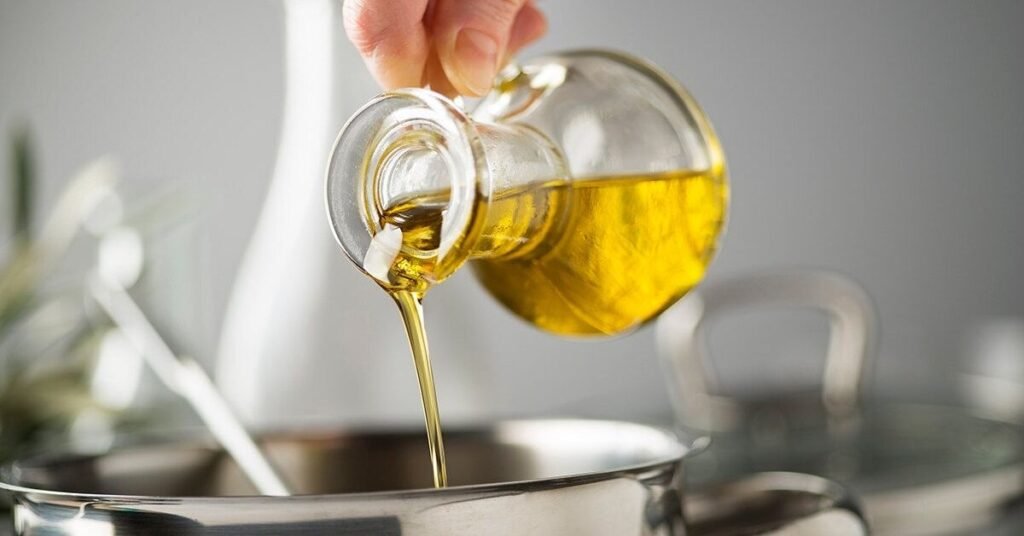
People often use food-grade mineral oil on wooden cutting boards, butcher blocks, and wooden utensils. It helps reduce dryness and protects the wood from cracking. The oil also creates a light protective layer on the surface.
Food-grade mineral oil should not be confused with industrial mineral oil. Always check the label before using any mineral oil on kitchen equipment. Choose a product that clearly states it is food grade and suitable for food-contact applications.
How Is Food Grade Mineral Oil Made?
Food-grade mineral oil starts with petroleum that undergoes extensive refining. The refining process removes unwanted substances and impurities. Manufacturers use several purification steps to produce a clear, stable, and odorless oil. The final product must meet specific quality requirements before it can be used for food-contact applications.

The exact process can vary by manufacturer and product type. However, the main goal stays the same. The oil should be highly refined and suitable for its intended use. The table below explains the common stages involved.
Table
| Stage | What Happens | Main Purpose |
| 1. Petroleum Selection | Suitable petroleum fractions are selected. | Provides the starting material. |
| 2. Initial Refining | Unwanted components are separated from the oil. | Improves purity. |
| 3. Distillation | Different oil components are separated based on their properties. | Helps create the desired oil fraction. |
| 4. Purification | Additional refining removes unwanted compounds. | Produces a cleaner product. |
| 5. Hydrogen Treatment | The oil may undergo hydrogen-based treatment. | Improves stability and removes certain impurities. |
| 6. Filtration | The refined oil passes through filtration steps. | Removes remaining particles. |
| 7. Quality Testing | The finished oil is tested against required specifications. | Confirms quality and suitability. |
| 8. Packaging | The approved oil is placed into clean containers. | Protects the product during storage and use. |
Common Uses of Food Grade Mineral Oil
Food grade mineral oil has several useful applications in the kitchen. Many people apply it to wooden cutting boards and butcher blocks. It helps keep the wood from becoming dry and brittle. It can also give wooden surfaces a smooth and well-maintained look.
People also use it on wooden spoons, bowls, and other kitchen tools. The oil helps protect these items from moisture loss. Some food-contact equipment may also use suitable mineral oil as a lubricant. Always check the product label and follow the manufacturer’s instructions before applying it.
Food-grade mineral oil can also help maintain kitchen items that need regular care. It does not easily spoil like many plant-based cooking oils. However, not every mineral oil is suitable for these purposes. Always choose a product clearly labeled as food-grade and intended for food-contact use.
Food Grade Mineral Oil for Wooden Cutting Boards
Food-grade mineral oil is commonly used to care for wooden cutting boards. It helps keep the wood from drying out and becoming rough. The oil can also reduce the chance of small cracks and splits. This helps the board stay smooth and useful for longer.
Before applying the oil, clean the cutting board and let it dry completely. Pour a small amount of oil onto the surface. Spread it evenly with a clean cloth and allow the wood to absorb it. Wipe away any excess oil before using the board again.
Regular oiling can help maintain the board’s appearance and condition. You may need to apply the oil more often when the wood looks dry or feels rough. Always use mineral oil that clearly states food-grade or is intended for food-contact surfaces. Never use industrial or unknown mineral oil on a cutting board.
Benefits of Using Food-Grade Mineral Oil
Food-grade mineral oil helps protect wooden kitchen items from dryness, moisture loss, and cracking while keeping their surfaces smooth. It is also easy to apply and can support regular care when used correctly.
- Helps protect wooden cutting boards.
- Reduces dryness and surface cracking.
- Helps maintain a smooth wood surface.
- Is odorless and tasteless.
- Works well for routine kitchen tool maintenance.
Is Food Grade Mineral Oil Safe for Food Contact?
Food-grade mineral oil is designed for applications where the oil may come into contact with food. It is highly refined and has no strong taste or smell. People commonly use it to maintain wooden cutting boards, butcher blocks, and other food-contact surfaces.
Safety depends on choosing the correct product. Look for a clear label that says food grade or indicates suitability for food-contact use. Avoid industrial, automotive, cosmetic, or unknown mineral oils for kitchen surfaces, as they may have different formulations and purposes.
Use the oil according to the manufacturer’s instructions. Apply only the recommended amount and wipe away excess oil when needed. Keep the bottle closed and store it safely away from heat, children, and pets.
How to Use Food Grade Mineral Oil Correctly
Start by cleaning the wooden surface with mild soap and water. Let it dry fully before applying the oil. Pour a small amount of food-grade mineral oil onto a clean cloth. Rub it evenly over the surface and cover the edges as well.
Allow the wood to absorb the oil for several hours or as directed on the product label. Add another thin coat if the surface looks very dry. After the oil settles, wipe away any extra oil with a clean cloth. Avoid leaving a thick, sticky layer on the surface.
Apply food-grade mineral oil regularly to maintain wooden kitchen items. Do not use more oil than necessary. Always check the product label before use. Choose only mineral oil that is clearly intended for food-contact surfaces.
How Often Should You Apply Mineral Oil?
The right oiling schedule depends on how often you use the wooden item. A frequently used cutting board may need oil more often than one used only sometimes. In general, check the wood regularly for dryness, a dull appearance, or a rough feel.
You can apply food-grade mineral oil when the surface starts to look dry. Clean the board first and let it dry completely. Then spread a thin, even layer of oil over the wood. Let it soak in and wipe off any excess.
Avoid applying too much oil at once. Regular light applications work better than one heavy coat. Always follow the instructions on your mineral oil product, as recommendations can vary between products.
Food Grade Mineral Oil vs. Other Mineral Oils
Food grade mineral oil is made for uses where contact with food may occur. It goes through a high level of refining to meet suitable quality requirements. Other mineral oils may serve industrial, mechanical, or cosmetic purposes, so you should not use them on kitchen items.
The main difference comes down to purity and intended use. Food-grade mineral oil works well for wooden cutting boards and butcher blocks. Industrial mineral oils may contain additives or have specifications that do not suit food-contact surfaces. Always read the product label before making a choice.
Choosing the right oil helps you care for kitchen tools safely. Look for clear wording such as food grade or suitable for food-contact surfaces. Avoid using an unknown mineral oil just because it looks clear or similar to a food-grade product.
Food Grade Mineral Oil vs. Industrial Mineral Oil
Food-grade mineral oil is specially refined for uses that may involve contact with food. People often use it on wooden cutting boards, butcher blocks, and kitchen tools. It has no strong taste or smell and helps protect wooden surfaces from drying.
Industrial mineral oil serves different purposes. Manufacturers may use it for machinery, equipment, lubrication, or other industrial applications. Its formulation and quality standards can differ from food-grade products. It may also contain substances that are not suitable for food-contact surfaces.
The two oils may look similar, but you should not treat them as the same product. Always check the label before using mineral oil on kitchen items. Choose a product that clearly states food-grade and is intended for food-contact use.
Food Grade Mineral Oil vs. Cooking Oils
Food-grade mineral oil and cooking oils have different purposes. Food-grade mineral oil is commonly used to protect wooden cutting boards and kitchen tools. It has no strong flavor or smell, which makes it useful for maintaining food-contact surfaces.
Cooking oils, such as olive, canola, or sunflower oil, are made for preparing food. They can oxidize and become rancid when left on wooden surfaces for long periods. Mineral oil stays more stable and does not spoil in the same way as many plant-based oils.
For wooden kitchen items, food-grade mineral oil is usually a better choice for routine wood care. Cooking oils should mainly be used for cooking and food preparation. Always check the label to make sure the mineral oil you choose is specifically intended for food-contact applications.
Where Can You Use Food Grade Mineral Oil?
Food-grade mineral oil works well on many wooden kitchen items. You can use it on cutting boards, butcher blocks, wooden spoons, and serving boards. It helps keep the wood smooth and reduces dryness. Regular care can also help prevent small cracks.
You can also use it on wooden bowls and other food-contact wooden tools when the product label allows it. Apply a thin layer with a clean cloth and let the wood absorb the oil. Wipe away extra oil before using the item again.
Food-grade mineral oil can also serve specific maintenance purposes for some food-related equipment. However, the product must be suitable for that application. Always read the manufacturer’s instructions before use. Avoid using industrial or unknown mineral oils on surfaces that touch food.
How to Choose the Right Food Grade Mineral Oil
Start by checking the product label. Choose mineral oil that clearly says food grade or states that it is suitable for food-contact surfaces. Avoid products made only for industrial or mechanical use. A clear label helps you understand the intended purpose of the oil.
Consider the quality and purity of the product before buying it. Choose a product from a reliable manufacturer with clear usage instructions. Avoid oils with unnecessary additives when you need a simple product for wooden kitchen items. The bottle should also provide storage and application guidance.
Think about how you plan to use the oil. A product designed for cutting boards may suit wooden utensils and butcher blocks as well. Check the manufacturer’s recommendations for your specific item. A small bottle can work for occasional use, while a larger bottle may be useful for regular kitchen maintenance.
Common Mistakes to Avoid When Using Mineral Oil
One common mistake is using the wrong type of mineral oil. Not every mineral oil suits food-contact surfaces. Always choose a product that clearly states food grade and follow the label instructions. Avoid using industrial or automotive mineral oils on cutting boards and kitchen tools.
Another mistake is applying too much oil at once. A thick layer can leave the surface greasy and sticky. Clean and dry the wooden item first. Apply a thin coat and let the wood absorb it. Then wipe away any extra oil with a clean cloth.
Some people also forget to maintain their wooden items regularly. Check the surface for dryness, roughness, or small cracks. Reapply the oil when needed instead of waiting until the wood becomes very dry. Store the bottle properly and keep it away from heat and direct sunlight.
How to Store Food Grade Mineral Oil Safely
Store food-grade mineral oil in a cool, dry place away from direct sunlight. Keep the bottle away from heat and moisture. High temperatures can affect the product over time. Always close the cap tightly after each use.
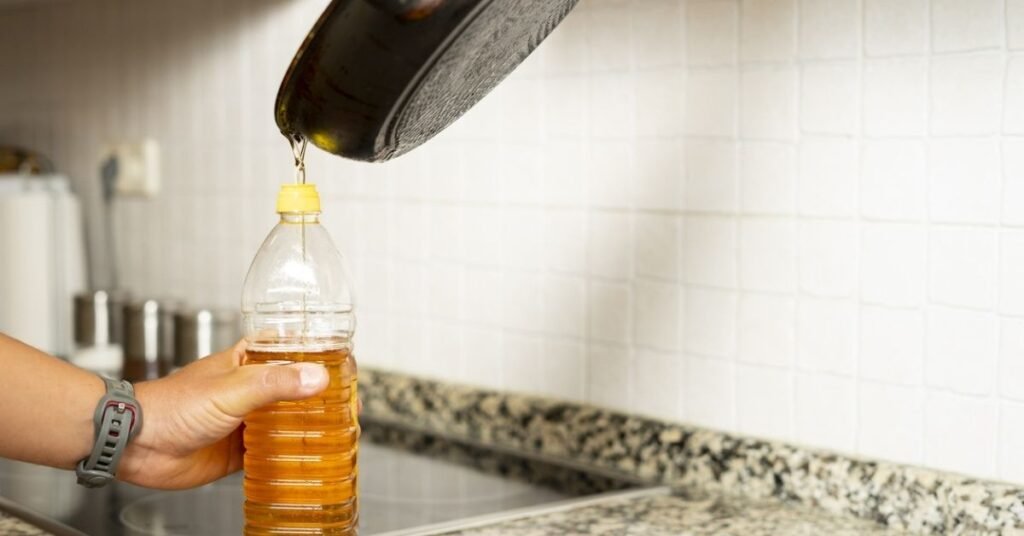
Keep the oil in its original container whenever possible. The original label provides useful information about the product and its intended use. Do not pour it into a container that previously held chemicals or other unsuitable liquids. Check the label for any specific storage instructions.
Keep the bottle out of reach of children and pets. Avoid storing it near cooking flames or other heat sources. Before using the oil, check the bottle for damage or changes in the product. Follow the manufacturer’s storage guidance for the best results.
Conclusion
Food-grade mineral oil is a useful product for caring for wooden kitchen items. It helps reduce dryness and protects surfaces such as cutting boards and butcher blocks. When used correctly, it can help keep these items smooth and well maintained.
Choosing the right product is important for safe use. Always select mineral oil that is clearly labeled food grade. Store it properly and follow the manufacturer’s instructions. With simple care, food-grade mineral oil can become a useful part of your kitchen routine.
FAQs
1. What is food-grade mineral oil?
Food-grade mineral oil is a highly refined oil made for applications where contact with food may occur.
2. Is food-grade mineral oil safe for cutting boards?
Yes, it is commonly used to protect wooden cutting boards when the product is specifically labeled for food-contact use.
3. How often should I apply mineral oil to a cutting board?
Apply it when the wood looks dry, dull, or feels rough. Frequent use may require more regular applications.
4. Can I use cooking oil instead of mineral oil on wood?
Cooking oils can become rancid over time. Food-grade mineral oil is generally a better choice for maintaining wooden kitchen items.
5. Can I use industrial mineral oil on kitchen tools?
No. Industrial mineral oil may have different formulations and is not intended for food-contact surfaces.
Related Posts

10 Things to Know About Mist Twist Drink
Mist Twist drink is a soft drink that people may…

Can You Drink Distilled Water Every Day?
Here is a simple, natural introduction with short sentences and…

How the Food Industry in Mexico Is Growing and Changing
The food industry in Mexico includes businesses that grow, produce,…