High-fibre foods for piles are those that contain a good amount of dietary fibre. They help soften stools and make them easier to pass. This reduces pressure during bowel movements. A high-fibre diet can support better digestion and may help reduce the discomfort caused by piles.
Many people struggle with pain, itching, or constipation because of piles. Simple changes in daily eating habits can make a big difference. Adding more fibre-rich foods is one of the easiest and most natural ways to improve digestive health. Choosing the right foods can also help prevent the problem from getting worse.
In this guide, you will learn about the 10 best high fibre foods for piles to improve digestion. You will also discover how these foods support gut health and promote regular bowel movements. With the right diet and healthy habits, you can manage piles more comfortably and improve your overall digestive health.
What Are High Fibre Foods for Piles?
High-fibre foods for piles are those that contain a large amount of dietary fibre. They help soften stools and make bowel movements easier. This reduces pressure on the veins in the rectum. A fibre-rich diet also supports healthy digestion and keeps the digestive system working smoothly.
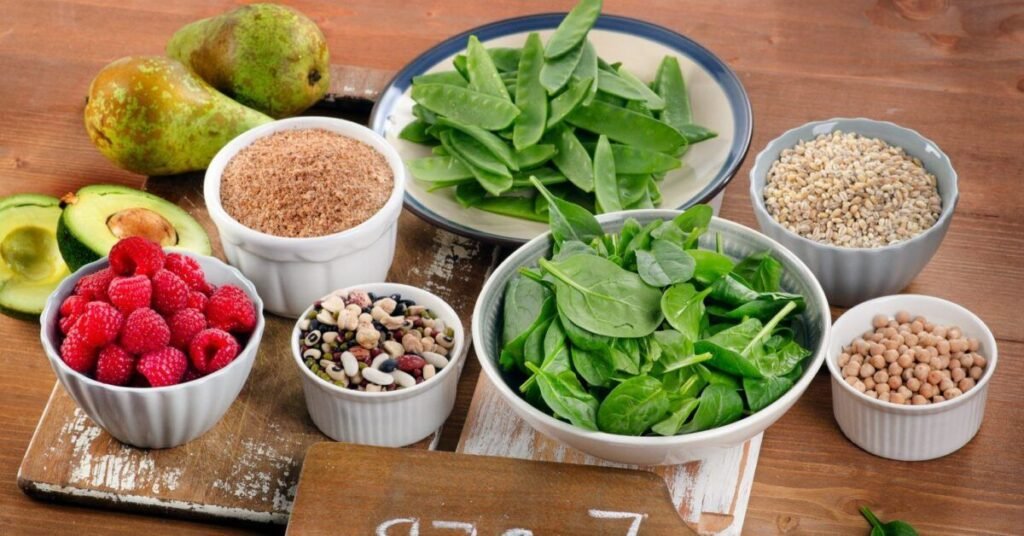
Many natural foods provide plenty of fibre. Fruits, vegetables, whole grains, beans, lentils, nuts, and seeds are some of the best choices. These foods add bulk to the stool and help prevent constipation. Drinking enough water with fibre is also important for the best results.
People with piles can benefit from eating high-fibre foods every day. A balanced diet may reduce discomfort and support faster recovery. Healthy eating habits can also lower the risk of future flare-ups. Choosing fibre-rich foods is a simple step toward better digestive health.
Why a High-Fibre Diet Is Important for Piles
A high-fibre diet plays an important role in managing piles. Fibre helps soften the stool and makes it easier to pass. This reduces the need to strain during bowel movements. Less pressure on the rectal veins can help ease pain and discomfort.
Regular fibre intake also supports a healthy digestive system. It helps prevent constipation, which is one of the main causes of piles. Whole grains, fruits, vegetables, beans, and seeds are excellent sources of fibre. Eating these foods every day can improve bowel regularity.
A balanced diet with enough fibre may also help prevent future flare-ups. It keeps the digestive tract working smoothly and promotes better gut health. Drinking plenty of water along with fibre improves its effectiveness. Small daily changes in your diet can make a big difference over time.
Types of Fibre That Help with Piles
Both soluble and insoluble fibre support healthy digestion and help reduce the discomfort caused by piles. Including a mix of both types in your daily meals can promote regular bowel movements and help prevent constipation.
- Soluble fibre: Absorbs water and forms a soft gel that makes stools easier to pass. It is found in oats, apples, beans, peas, and flaxseeds.
- Insoluble fibre: Adds bulk to the stool and helps food move through the digestive tract more quickly. It is found in whole grains, brown rice, carrots, broccoli, and leafy green vegetables.
Soluble Fibre
Soluble fibre is a type of dietary fibre that dissolves in water. It forms a soft, gel-like substance in the digestive system. This process slows digestion and helps the body absorb nutrients more effectively. It also supports healthy bowel movements and overall gut health.
Many everyday foods contain soluble fibre. Oats, apples, oranges, beans, lentils, peas, and flaxseeds are excellent sources. These foods help soften stools and make them easier to pass. They also keep you feeling full for a longer time, which may help with healthy eating habits.
Adding soluble fibre to your daily diet can provide many health benefits. It supports digestion, helps maintain healthy cholesterol levels, and may improve blood sugar control. Increase your fibre intake slowly and drink enough water each day. This simple habit helps your digestive system adjust more comfortably.
Insoluble Fibre
Insoluble fibre is a type of dietary fibre that does not dissolve in water. It adds bulk to the stool and helps food move through the digestive system more quickly. This supports regular bowel movements and helps reduce the risk of constipation. It is especially helpful for maintaining good digestive health.
Many healthy foods are rich in insoluble fibre. Whole wheat, brown rice, bran, carrots, broccoli, cabbage, nuts, and seeds are excellent choices. These foods keep the digestive system active and promote better gut function. Eating a variety of fibre-rich foods provides the best results.
Adding insoluble fibre to your daily meals can help people with piles by reducing the need to strain during bowel movements. It also supports a healthy digestive tract and encourages regularity. Increase your fibre intake gradually and drink plenty of water every day. This combination helps fibre work more effectively and keeps digestion running smoothly.
Best Nutrients to Include Along with High Fibre Foods for Piles
A high-fibre diet works even better when it includes other important nutrients. These nutrients support digestion, reduce constipation, and help the body heal. Vitamins, minerals, healthy fats, and enough fluids all play a role in keeping the digestive system healthy. Eating a balanced diet can also reduce the discomfort linked to piles.
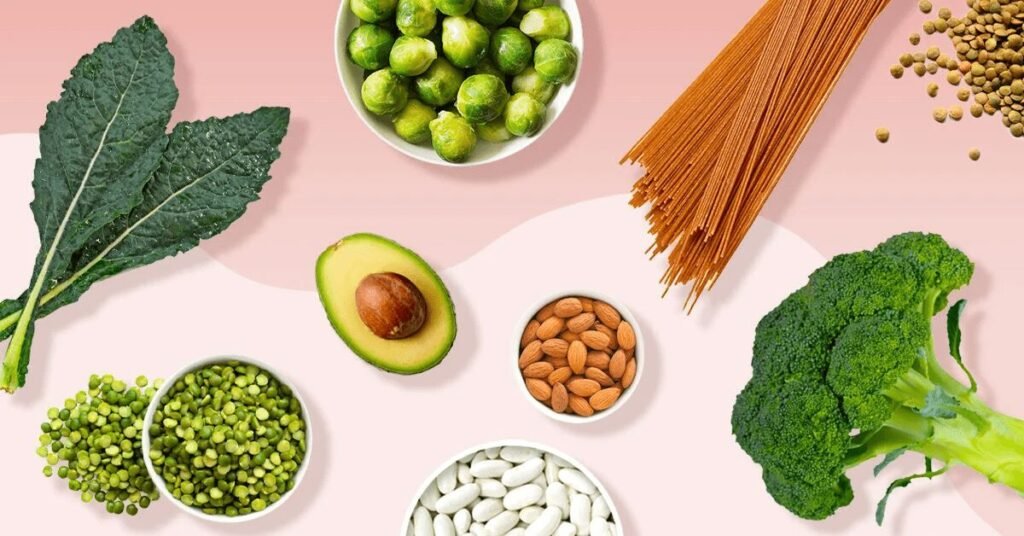
Choose fresh and natural foods to get these nutrients every day. Drink plenty of water because fibre needs water to work properly. Include fruits, vegetables, whole grains, lean protein, nuts, and seeds in your meals. A healthy lifestyle and balanced nutrition can improve bowel health and lower the risk of future flare-ups.
Table
| Nutrient | Why It Is Important for Piles | Best Food Sources |
| Water | Softens stools and helps fibre work effectively | Water, coconut water, soups |
| Vitamin C | Supports tissue repair and healthy blood vessels | Oranges, kiwi, strawberries, bell peppers |
| Vitamin E | Supports skin health and cell repair | Almonds, sunflower seeds, spinach |
| Magnesium | Helps relax bowel muscles and supports regular bowel movements | Pumpkin seeds, spinach, black beans |
| Potassium | Supports fluid balance and healthy digestion | Bananas, potatoes, avocados |
| Omega-3 Fatty Acids | May help reduce inflammation | Salmon, chia seeds, flaxseeds, walnuts |
| Probiotics | Promote healthy gut bacteria and better digestion | Yogurt, kefir, fermented vegetables |
| Prebiotics | Feed beneficial gut bacteria | Garlic, onions, oats, bananas |
| Lean Protein | Supports tissue repair without adding excess fat | Chicken, fish, eggs, lentils, tofu |
| Zinc | Helps support wound healing | Chickpeas, pumpkin seeds, seafood |
| Iron | Helps maintain healthy blood levels if bleeding occurs | Lentils, spinach, beans, lean meat |
| Calcium | Supports muscle function and overall health | Low-fat milk, yogurt, fortified plant-based milk |
| Antioxidants | Protect body cells and support healing | Berries, tomatoes, leafy greens |
| Healthy Fats | Help maintain bowel health and support nutrient absorption | Olive oil, avocados, nuts, seeds |
10 Best High Fibre Foods for Piles
Eating a variety of high fibre foods for piles can improve digestion, soften stools, and reduce strain during bowel movements. Including these foods in your daily diet can help manage symptoms and support long-term digestive health.
- Whole grains
- Oats
- Apples and pears
- Leafy green vegetables
- Broccoli
- Carrots
- Sweet potatoes
- Beans and lentils
- Nuts and seeds
- Berries
Whole Grains
Whole grains are one of the best high-fibre foods for piles. They contain both soluble and insoluble fibre, which supports healthy digestion. Fibre helps soften stools and makes bowel movements easier. This reduces pressure on the rectal veins and may ease the discomfort caused by piles.
Many whole grains are easy to add to your daily meals. Oats, brown rice, whole wheat bread, quinoa, barley, and whole grain cereals are excellent choices. These foods provide steady energy and support regular bowel movements. They also contain vitamins and minerals that benefit overall health.
Try to replace refined grains with whole grains whenever possible. Start your day with oatmeal or choose whole wheat bread for sandwiches. Brown rice can replace white rice in many meals. Eating whole grains every day is a simple way to improve digestion and support recovery from piles.
Fruits
Fruits are one of the healthiest high fibre foods for piles. They provide natural fibre that helps soften stools and supports smooth bowel movements. This reduces strain during digestion and may help relieve the discomfort caused by piles. Many fruits also contain plenty of water, which supports healthy digestion.
Apples, pears, berries, oranges, bananas, and prunes are excellent choices. These fruits contain vitamins, minerals, and antioxidants that support overall health. Fresh fruits are usually the best option because they provide more fibre than fruit juices. Eating different fruits each day also adds variety to your diet.
Include one or two servings of fruit in your daily meals or snacks. Add sliced fruit to breakfast or enjoy fresh fruit between meals. Drink enough water to help the fibre work effectively. Regular fruit intake can improve digestive health and help lower the risk of constipation.
Leafy Green Vegetables
Leafy green vegetables are excellent high-fibre foods for piles. They provide fibre that helps soften stools and supports regular bowel movements. This reduces pressure on the rectal veins and may ease the symptoms of piles. They are also low in calories and rich in important nutrients.
Spinach, kale, lettuce, cabbage, and Swiss chard are great choices. These vegetables contain vitamins A, C, and K, along with minerals like magnesium and iron. They also provide antioxidants that support overall health. Fresh or lightly cooked vegetables keep most of their nutrients.
Try to include leafy green vegetables in your meals every day. Add them to salads, soups, sandwiches, or smoothies for extra fibre. Drink plenty of water to help fibre work properly in the digestive system. A diet rich in leafy greens can improve digestion and support long-term bowel health.
Legumes and Beans
Legumes and beans are excellent high-fibre foods for piles. They are rich in both soluble and insoluble fibre, which helps soften stools and supports regular bowel movements. This reduces strain during bowel movements and may help relieve the discomfort caused by piles. They also provide plant-based protein for a balanced diet.
Lentils, chickpeas, black beans, kidney beans, and peas are great options. These foods also contain iron, magnesium, and folate, which support overall health. They keep you feeling full for longer and help maintain healthy digestion. Adding different legumes to your meals increases your daily fibre intake.
Include legumes and beans in soups, salads, curries, or rice dishes. Start with small portions if you are not used to eating high-fibre foods. Increase your intake gradually and drink plenty of water throughout the day. This approach helps your digestive system adjust comfortably and supports better bowel health.
Nuts and Seeds
Nuts and seeds are healthy high-fibre foods for piles. They provide fibre that supports smooth digestion and regular bowel movements. This helps reduce constipation and lowers strain during bowel movements. They also contain healthy fats that support overall digestive health.
Almonds, walnuts, chia seeds, flaxseeds, pumpkin seeds, and sunflower seeds are excellent choices. These foods are rich in vitamins, minerals, and antioxidants. They also provide protein and healthy fats that help keep you satisfied for longer. A small serving each day can be part of a balanced diet.
Add nuts and seeds to oatmeal, yogurt, salads, or smoothies for extra fibre. You can also enjoy them as a healthy snack between meals. Drink enough water to help fibre work effectively in the digestive system. Regular intake of nuts and seeds can support better gut health and help manage piles naturally.
Oats
Oats are one of the best high fibre foods for piles. They contain soluble fibre called beta-glucan, which helps soften stools and supports healthy digestion. This makes bowel movements easier and reduces pressure on the rectal veins. Regularly eating oats may help relieve the discomfort caused by piles.
Oats are also rich in vitamins, minerals, and antioxidants. They provide long-lasting energy and help you feel full for a longer time. You can enjoy oats as oatmeal, overnight oats, or add them to smoothies and baked foods. They are simple to prepare and fit into many healthy meal plans.
Include oats in your breakfast or snacks several times a week. Pair them with fresh fruits, nuts, or seeds for extra fibre and nutrients. Drink plenty of water throughout the day to help fibre work effectively. A balanced diet that includes oats can support better digestion and overall bowel health.
Sweet Potatoes
Sweet potatoes are excellent high-fibre foods for piles. They contain both soluble and insoluble fibre, which helps soften stools and supports regular bowel movements. This reduces strain during bowel movements and may help ease the discomfort caused by piles. They are also easy to digest and naturally filling.
Sweet potatoes are rich in vitamins A and C, potassium, and antioxidants. These nutrients support overall health and help maintain a healthy digestive system. Baking, steaming, or boiling sweet potatoes keeps them nutritious without adding extra fat. They make a healthy side dish or a satisfying main meal.
Include sweet potatoes in your weekly meal plan for better digestive health. Serve them with vegetables, lean protein, or legumes for a balanced meal. Drink enough water each day to help fibre work properly. Regular intake of sweet potatoes can support healthy digestion and reduce the risk of constipation.
Broccoli
Broccoli is one of the best high fibre foods for piles. It contains plenty of dietary fibre that helps soften stools and supports regular bowel movements. This reduces strain during bowel movements and may help relieve the discomfort caused by piles. It also supports a healthy digestive system.
Broccoli is rich in vitamins C and K, folate, and antioxidants. These nutrients help support overall health and normal body functions. Steamed, roasted, or lightly cooked broccoli keeps most of its nutrients. It can be added to salads, soups, stir-fries, and pasta dishes.
Include broccoli in your meals several times a week for extra fibre and nutrition. Pair it with whole grains and lean protein for a balanced meal. Drink enough water throughout the day to help fibre work effectively. Regularly eating broccoli can improve digestion and support better bowel health.
Carrots
Carrots are healthy, high-fibre foods for piles. They contain dietary fibre that helps soften stools and supports regular bowel movements. This reduces strain during bowel movements and may help ease the discomfort caused by piles. They are also gentle on the digestive system and easy to include in daily meals.
Carrots are rich in vitamin A, potassium, and antioxidants. These nutrients support overall health and help maintain a healthy digestive system. You can eat carrots raw, steamed, roasted, or added to soups and salads. They provide a natural crunch and a slightly sweet flavor.
Add carrots to your meals or enjoy them as a healthy snack. Pair them with other fibre-rich foods like whole grains and leafy vegetables for better digestive health. Drink plenty of water each day to help fibre work properly. Regularly eating carrots can support healthy digestion and help reduce the risk of constipation.
Apples and Pears
Apples and pears are excellent high-fibre foods for piles. They contain soluble and insoluble fibre that supports healthy digestion. The fibre helps soften stools and makes bowel movements easier. This reduces strain and may help relieve the discomfort caused by piles.
These fruits are also rich in vitamins, antioxidants, and water. Eating them with the skin provides more fibre and nutrients. Apples and pears make healthy snacks and fit easily into any meal plan. Their natural sweetness makes them a tasty choice for all ages.
Enjoy fresh apples and pears every day to increase your fibre intake. Add sliced fruit to oatmeal, yogurt, or salads for extra nutrition. Drink enough water to help fibre work effectively in the digestive system. Regularly eating these fruits can improve bowel health and lower the risk of constipation.
Benefits of Eating High Fibre Foods for Piles
Eating high fibre foods for piles offers many benefits for digestive health. Fibre softens stools and makes bowel movements easier. This reduces straining, which is a common cause of pain and irritation from piles. Regular fibre intake also helps keep the digestive system working smoothly.
A fibre-rich diet helps prevent constipation and supports regular bowel movements. It also promotes the growth of healthy gut bacteria, which improves digestion. Many high-fibre foods provide vitamins, minerals, and antioxidants that support overall health. These nutrients help the body function properly every day.
Adding high-fibre foods to your daily meals may also help prevent future pile flare-ups. Whole grains, fruits, vegetables, legumes, nuts, and seeds are excellent choices. Drink enough water to help fibre work effectively in the digestive system. Healthy eating habits can improve bowel health and increase daily comfort over time.
Foods to Avoid When You Have Piles
Some foods can make piles worse by increasing the risk of constipation or irritating the digestive system. Low-fibre foods often slow bowel movements and make stools harder to pass. This can lead to more straining during bowel movements. Limiting these foods may help reduce discomfort.

Processed foods, white bread, white rice, fried foods, and fast food are common examples to avoid. Sugary snacks and packaged foods also contain very little fibre. Spicy foods may cause discomfort in some people, although not everyone reacts the same way. Pay attention to how your body responds after eating certain foods.
Choose fibre-rich foods instead of highly processed meals whenever possible. Drink plenty of water throughout the day to support healthy digestion. Eat balanced meals with fruits, vegetables, whole grains, and legumes. These simple changes can help manage piles and improve bowel health over time.
How to Add High Fibre Foods for Piles to Your Daily Diet
Adding high fibre foods for piles to your daily diet is simple. Start by including one fibre-rich food in each meal. Choose whole grains instead of refined grains whenever possible. Add fresh fruits and vegetables to breakfast, lunch, and dinner for extra fibre.
Snack on healthy foods like apples, pears, carrots, nuts, or seeds between meals. Include beans, lentils, or chickpeas in soups, salads, and curries several times a week. Replace sugary snacks with fresh fruit or whole-grain options. Small changes each day can increase your fibre intake without feeling overwhelming.
Increase your fibre intake slowly to give your digestive system time to adjust. Drink plenty of water because fibre works best with enough fluids. Aim for balanced meals that include fibre, lean protein, and healthy fats. These healthy habits can improve digestion and help manage piles more effectively.
One-Day Meal Plan Using High Fibre Foods for Piles
Start your day with a bowl of oatmeal topped with sliced apples, berries, and a spoonful of flaxseeds. Drink a glass of water or enjoy unsweetened herbal tea with your breakfast. For a mid-morning snack, eat a pear or a handful of almonds. These foods provide fibre and support healthy digestion.
For lunch, choose brown rice with grilled chicken or lentils and a side of steamed broccoli and spinach. Add a fresh salad with carrots, cucumbers, and tomatoes for extra fibre. In the afternoon, enjoy plain yogurt with chia seeds or a small bowl of mixed fruit. These choices help keep you full and support regular bowel movements.
For dinner, serve baked sweet potatoes with grilled fish or beans and cooked green vegetables. Finish your day with a kiwi or a few prunes if you want a light evening snack. Drink plenty of water throughout the day to help fibre work effectively. This simple meal plan supports digestion and may help reduce the discomfort caused by piles.
Common Mistakes to Avoid When Increasing Fibre Intake
Many people increase their fibre intake too quickly. This can cause gas, bloating, or stomach discomfort. It is better to add fibre slowly over several days or weeks. Your digestive system needs time to adjust to the change.
Another common mistake is not drinking enough water. Fibre absorbs water and works best when the body stays hydrated. Without enough fluids, stools can become harder to pass. Aim to drink water regularly throughout the day.
Some people rely only on fibre supplements and ignore natural food sources. Whole grains, fruits, vegetables, legumes, nuts, and seeds provide fibre along with important vitamins and minerals. Eating a variety of these foods supports better digestion and overall health. A balanced diet gives the best long-term results for managing piles.
Can High Fibre Foods for Piles Help Prevent Future Flare-Ups?
Yes, high fibre foods for piles can help lower the risk of future flare-ups. Fibre keeps stools soft and supports regular bowel movements. This reduces straining, which is one of the main causes of piles. A healthy digestive system is easier to maintain with enough fibre each day.
Whole grains, fruits, vegetables, legumes, nuts, and seeds are excellent sources of dietary fibre. Eating these foods regularly helps prevent constipation and keeps the bowels moving smoothly. A balanced diet also supports overall gut health. Consistent healthy eating habits provide better long-term results than occasional changes.
Fibre works best when combined with other healthy lifestyle habits. Drink plenty of water, stay physically active, and avoid sitting for long periods. Respond to the urge to use the bathroom without delay. These simple habits, together with a high-fibre diet, can help reduce the chances of future pile flare-ups.
Lifestyle Tips to Support a High-Fibre Diet for Piles
A healthy lifestyle makes a high-fibre diet more effective for piles. Drink plenty of water every day to help fibre soften stools. Stay active with regular walking or light exercise to support healthy digestion. Small daily habits can make a big difference over time.
Avoid sitting for long periods because it can increase pressure on the rectal area. Take short breaks to stand and move if you work at a desk. Go to the bathroom as soon as you feel the urge instead of waiting. This habit helps prevent constipation and reduces straining.
Choose balanced meals that include whole grains, fruits, vegetables, legumes, nuts, and seeds. Limit processed foods that contain little fibre. Get enough sleep and manage daily stress through relaxing activities. Combining these healthy habits with a high-fibre diet can improve digestion and help reduce the risk of future pile flare-ups.
Conclusion
High fibre foods for piles are an important part of a healthy diet. They help soften stools, improve digestion, and reduce strain during bowel movements. Whole grains, fruits, vegetables, legumes, nuts, and seeds are excellent choices. Eating these foods regularly can help manage piles and support better bowel health.
Simple lifestyle habits also make a big difference. Drink plenty of water, stay active, and increase your fibre intake gradually. A balanced diet and healthy routine can lower the risk of future flare-ups. With consistent care, you can improve your digestive health and feel more comfortable every day.
FAQs
1. What are the best high fibre foods for piles?
Whole grains, fruits, vegetables, beans, lentils, nuts, and seeds are some of the best high fibre foods for piles. They support healthy digestion and help prevent constipation.
2. How much fibre should I eat each day if I have piles?
Most adults should aim for about 25–38 grams of fibre each day. Increase your fibre intake gradually and drink plenty of water.
3. Can high fibre foods help heal piles naturally?
High fibre foods cannot cure piles, but they can reduce symptoms by softening stools and making bowel movements easier. They may also help prevent future flare-ups.
4. Which fruits are good for piles?
Apples, pears, berries, oranges, bananas, and prunes are excellent choices. They provide fibre, vitamins, and water to support healthy digestion.
5. Should I drink more water with a high-fibre diet?
Yes. Drinking enough water helps fibre work properly and keeps stools soft. This reduces the need to strain during bowel movements.
Related Posts
Newlyweds Foods Ham Salad Recall: What You Need to Know
A food recall happens when a product may not be…
10 Foods That Kill Parasites in Humans Naturally
Parasites are organisms that live inside or on the body…
One Reply to “10 Best High Fibre Foods for Piles to Improve Digestion ”