Healthy frozen foods are foods that are frozen to keep them fresh and safe for a longer time. They include vegetables, fruits, seafood, lean meat, and ready-to-cook meals. Freezing helps protect many important nutrients. These foods are easy to store and can be used whenever you need them. They are a smart choice for people with busy schedules.
Many people think frozen foods are less healthy than fresh foods, but that is not always true. Many frozen products keep their taste and nutrition for months. They can help you prepare quick meals without spending much time in the kitchen. Choosing healthy frozen foods can also reduce food waste and save money.
Keeping healthy frozen foods at home makes meal planning much easier. You can prepare balanced breakfasts, lunches, dinners, and snacks in less time. The right frozen foods also help you eat more fruits, vegetables, and protein throughout the week. This guide will help you choose the best options for your freezer and use them in a healthy way.
What Are Frozen Foods
Frozen foods are foods that are kept at very low temperatures to stay fresh for a longer time. They are frozen soon after harvesting or preparing to help keep their quality. Many common frozen foods include vegetables, fruits, meat, seafood, and ready-to-cook meals. This process helps reduce food waste and makes storage easier.
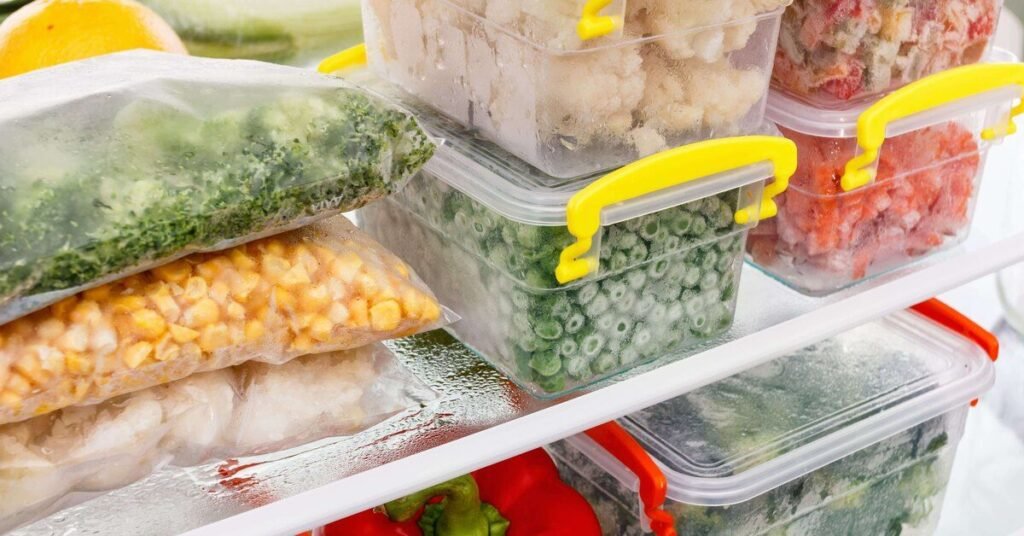
Freezing slows the growth of bacteria and helps preserve the taste and texture of food. Many frozen foods also keep most of their vitamins and minerals. They can be stored in the freezer for several months without losing much of their quality. Proper packaging also helps protect the food from freezer burn.
Frozen foods are a convenient choice for busy families and individuals. They save time because many items are already cleaned, cut, or prepared. You can use only the amount you need and keep the rest frozen for later. When you choose healthy options and store them correctly, frozen foods can be part of a balanced diet.
Benefits of Choosing Frozen Foods
Frozen foods offer many benefits for everyday meals. They stay fresh for a longer time than many fresh foods. This helps reduce food waste at home. You can keep a variety of healthy ingredients in your freezer and use them whenever you need them.
Many frozen foods keep most of their nutrients because they are frozen soon after harvesting or preparing. Frozen fruits and vegetables are often as nutritious as fresh ones. They are available all year, even when certain foods are out of season. This makes it easier to enjoy a balanced diet throughout the year.
Frozen foods also save time and make meal planning simple. Many products come washed, cut, and ready to cook. You can prepare quick meals without spending hours in the kitchen. They are also a budget-friendly choice because they last longer and help you avoid unnecessary grocery trips.
Types of Frozen Foods You Can Buy
Frozen foods come in wide varieties, making it easy to find options for every meal and lifestyle. You can choose healthy ingredients or ready-to-cook meals based on your needs and preferences.
- Frozen fruits
- Frozen vegetables
- Frozen meat and poultry
- Frozen seafood
- Frozen ready meals
- Frozen snacks and desserts
Frozen Fruits
Frozen fruits are a healthy and convenient choice for every home. They are usually picked when they are fully ripe and frozen soon after harvest. This helps keep their natural flavor and nutrients. Popular options include berries, mangoes, peaches, pineapples, and mixed fruits.
You can use frozen fruits in many simple recipes. They are perfect for smoothies, yogurt, oatmeal, and fruit bowls. You can also add them to muffins, pancakes, or desserts. Since they are already washed and cut, they save time in the kitchen.
Frozen fruits stay fresh for a long time when stored correctly. You can take out only the amount you need and keep the rest in the freezer. This helps reduce food waste and saves money. Choosing frozen fruits without added sugar is the best option for a healthy diet.
Frozen Vegetables
Frozen vegetables are a simple and healthy addition to everyday meals. They are usually harvested at their peak and frozen quickly to lock in freshness. This process helps keep many important vitamins and minerals. Common choices include broccoli, spinach, peas, carrots, corn, and mixed vegetables.
You can use frozen vegetables in many recipes. They work well in soups, stir-fries, casseroles, pasta, and rice dishes. Many people also steam or roast them as a quick side dish. Since they are already cleaned and cut, they make cooking faster and easier.
Frozen vegetables are easy to store and last much longer than many fresh vegetables. You can use only the amount you need and keep the rest frozen. This helps reduce food waste and saves money over time. Choosing plain frozen vegetables without added sauces or extra salt is a healthier option.
Frozen Meat and Poultry
Frozen meat and poultry are excellent sources of protein for everyday meals. They include chicken, turkey, beef, lamb, and other cuts of meat. These products are frozen to help keep them fresh and safe for longer storage. Proper freezing also helps preserve their taste and quality.
You can prepare frozen meat and poultry in many different ways. They are great for grilling, baking, roasting, or slow cooking. Many families use them in soups, curries, pasta dishes, and casseroles. Thawing the meat safely before cooking helps it cook evenly and improves the final texture.
Keeping frozen meat and poultry at home makes meal planning easier. They stay available whenever you need a quick dinner or lunch. You can store different types in the freezer and use them as needed. Always cook meat to the recommended internal temperature to enjoy a safe and healthy meal.
Frozen Seafood
Frozen seafood is a healthy and convenient choice for many meals. It includes fish, shrimp, salmon, tuna, and other seafood products. Most seafood is frozen soon after it is caught to help keep it fresh. This process also helps preserve its natural flavor and nutrients.
You can cook frozen seafood in many easy ways. It works well for grilling, baking, steaming, or pan-frying. Many people add it to pasta, soups, salads, tacos, and rice dishes. Seafood provides high-quality protein and healthy omega-3 fatty acids that support overall health.
Frozen seafood is easy to store and lasts for several months in the freezer. You can thaw only the amount you need for each meal. This helps reduce food waste and makes meal planning more flexible. Always thaw seafood safely and cook it thoroughly before serving.
Frozen Ready Meals
Frozen ready meals are a quick and convenient option for busy days. They come fully prepared and only need heating before serving. Wide varieties include pasta, rice dishes, soups, and balanced dinner meals. They help save time when you cannot cook from scratch.
Many frozen ready meals contain vegetables, protein, and grains in one package. Some options are made for special diets, such as low-calorie, high-protein, or vegetarian meals. Reading the nutrition label helps you choose healthier products. Look for meals with less sodium, added sugar, and unhealthy fats.
Frozen ready meals are easy to keep in the freezer for future use. They are useful for lunch, dinner, or a quick meal after work. Heating them according to the package instructions helps maintain the best taste and texture. Keeping a few healthy frozen ready meals at home makes meal planning much easier.
Frozen Snacks and Desserts
Frozen snacks and desserts are popular choices for quick treats and light meals. They include items such as frozen yogurt, fruit bars, ice cream, frozen waffles, and mini pizzas. Many options are ready to eat or need only a few minutes to heat. They are easy to keep in the freezer for busy days.
You can find both healthy and indulgent frozen snacks and desserts. Fruit-based treats and frozen yogurt are often lighter choices. Some frozen snacks also contain whole grains or extra protein. Reading the ingredient list and nutrition label helps you make better choices for your diet.
Enjoy frozen snacks and desserts in moderate portions as part of a balanced eating plan. Keeping healthy options at home can help reduce the temptation to buy less nutritious treats. Store these products at the recommended freezer temperature to maintain their quality. Always check the expiration date before eating for the best taste and freshness.
Nutritional Value of Frozen Foods
Frozen foods can be a healthy part of a balanced diet. Many fruits and vegetables are frozen soon after harvesting, which helps keep important vitamins and minerals. Frozen meat, seafood, and ready meals also provide protein and other nutrients. The nutritional value depends on the ingredients and how the food is prepared.
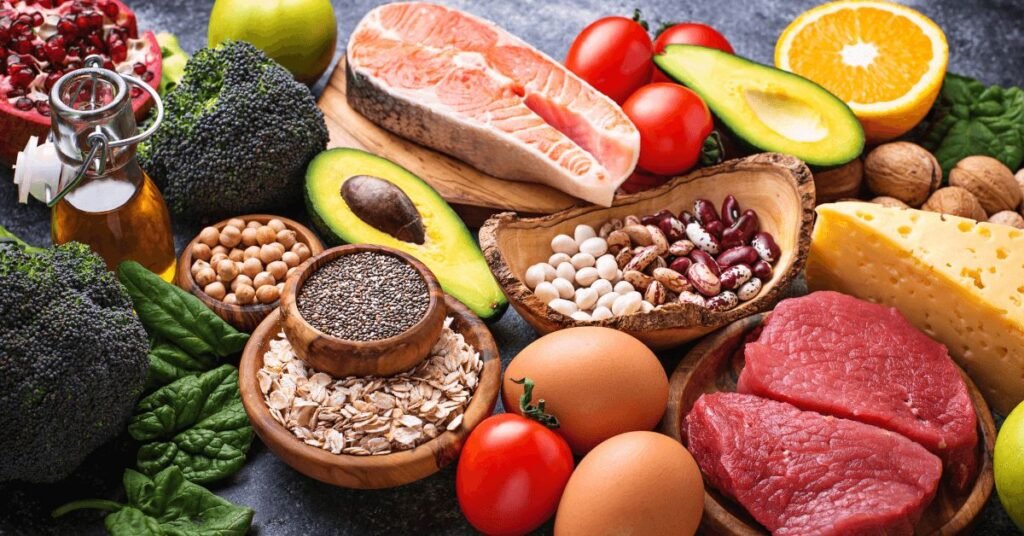
Choosing plain frozen foods is usually the healthiest option. Products without added sugar, excess salt, or rich sauces offer better nutrition. Reading the nutrition label helps you compare products and make smart choices. A mix of frozen fruits, vegetables, lean protein, and whole grains can support a healthy lifestyle.
Table
| Type of Frozen Food | Main Nutrients | Health Benefits | Best Healthy Choice |
| Frozen Berries | Vitamin C, Fiber, Antioxidants | Supports immunity and digestion | No added sugar |
| Frozen Mango | Vitamin A, Vitamin C, Fiber | Supports eye health and immunity | Unsweetened pieces |
| Frozen Mixed Fruits | Vitamins, Fiber | Great for smoothies and snacks | Plain mixed fruit |
| Frozen Broccoli | Vitamin C, Vitamin K, Fiber | Supports bones and digestion | Plain broccoli |
| Frozen Spinach | Iron, Folate, Vitamin A | Supports blood and eye health | No added sauce |
| Frozen Peas | Protein, Fiber, Vitamin C | Helps digestion and muscle health | Plain green peas |
| Frozen Mixed Vegetables | Vitamins, Minerals, Fiber | Adds nutrients to meals | No added seasoning |
| Frozen Chicken Breast | Lean Protein, B Vitamins | Supports muscle growth | Skinless and unbreaded |
| Frozen Turkey | Protein, Zinc | Supports energy and immunity | Lean cuts |
| Frozen Fish | Protein, Omega-3, Vitamin D | Supports heart and brain health | Plain fillets |
| Frozen Shrimp | Protein, Selenium | Supports muscle and immune health | Raw or lightly seasoned |
| Frozen Ready Meals | Protein, Carbohydrates, Vitamins | Quick meal option | Low sodium and balanced ingredients |
| Frozen Whole-Grain Meals | Fiber, Whole Grains | Supports digestion and fullness | High-fiber options |
| Frozen Yogurt | Calcium, Protein | Supports bone health | Low added sugar |
| Frozen Fruit Bars | Vitamin C | Refreshing snack | Made with real fruit |
| Frozen Whole-Grain Waffles | Fiber, Carbohydrates | Good breakfast option | Whole-grain varieties |
How Frozen Foods Are Made and Preserved
Frozen foods go through a careful process before they reach the store. Farmers and food companies select fresh ingredients at the right stage of ripeness. Many fruits and vegetables are washed, cut, and sometimes blanched before freezing. Meat, seafood, and prepared meals are also handled under strict food safety standards.
The food is frozen quickly using special equipment. Fast freezing creates small ice crystals that help protect the texture and flavor. It also helps keep many important nutrients. After freezing, the food is packed in sealed containers or bags to prevent air and moisture from entering.
Frozen foods stay safe when they remain at the correct freezer temperature. The cold slows the growth of bacteria and keeps the food fresh for a longer time. Proper storage and careful handling help maintain quality from the factory to your home. Following the storage and cooking instructions on the package helps you enjoy the best results.
How to Choose Healthy Frozen Foods
Choosing healthy frozen foods starts with reading the nutrition label. Look for products that contain simple and natural ingredients. Pick foods that are low in added sugar, sodium, and unhealthy fats. Plain frozen fruits, vegetables, and lean proteins are usually the best choices.
Check the ingredient list before buying any frozen product. Choose items with whole foods listed first. Avoid products with too many artificial flavors, preservatives, or unnecessary additives. Selecting foods with high fiber and protein can help you stay full for longer.
Always inspect the packaging before placing frozen foods in your cart. Avoid packages that are torn, damaged, or covered with thick ice crystals. Store frozen foods in your freezer as soon as you get home to keep them fresh. Making smart choices helps you enjoy healthy, convenient meals every day.
Best Healthy Frozen Foods You Should Keep at Home
Keeping healthy frozen foods at home makes it easier to prepare quick and balanced meals. Frozen fruits and vegetables are great choices because they are rich in vitamins and fiber. They work well in smoothies, soups, salads, and side dishes. These foods stay fresh for a long time and are ready whenever you need them.
Frozen chicken, fish, shrimp, and lean turkey are excellent sources of protein. They help you prepare healthy lunches and dinners without extra shopping trips. Whole-grain frozen meals and plain cooked grains can also save time on busy days. Choose products with simple ingredients and low amounts of salt and added sugar.
Healthy frozen foods also include frozen beans, mixed vegetables, and fruit blends. You can use them in many recipes throughout the week. Keeping a variety of frozen foods in your freezer gives you more meal options and reduces food waste. A well-stocked freezer helps you enjoy nutritious meals with less effort every day.
How to Store Frozen Foods Safely
Store frozen foods in the freezer as soon as you return from the grocery store. Keep the freezer at 0°F (-18°C) or below to maintain food quality and safety. Place newer items behind older ones so you use the older products first. This simple habit helps reduce food waste.
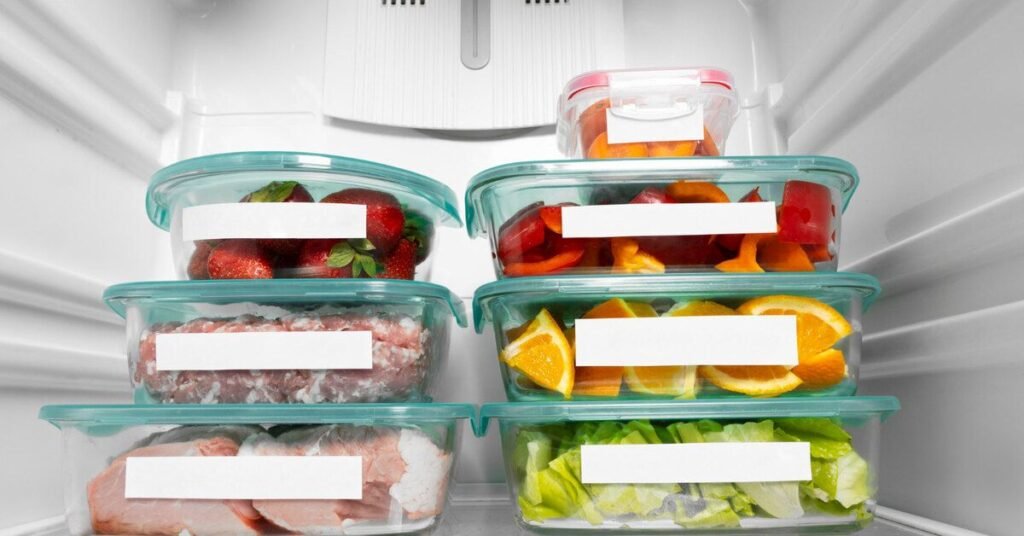
Keep frozen foods in their original packaging or move them to airtight freezer-safe containers. Remove as much air as possible before sealing the package. Label each item with the freezing date to track its storage time. Good packaging helps prevent freezer burn and keeps food tasting fresh.
Do not leave frozen foods at room temperature for a long time. Thaw food safely in the refrigerator, cold water, or the microwave when needed. Avoid refreezing food that has fully thawed unless you cook it first. Proper storage keeps frozen foods safe, fresh, and ready for your next meal.
How to Thaw and Cook Frozen Foods Correctly
Thaw frozen foods safely before cooking when the package recommends it. The refrigerator is the safest place to thaw most foods. You can also use cold water or the microwave for faster thawing. Never leave frozen foods on the kitchen counter for several hours.
Cook frozen foods according to the instructions on the package. Many vegetables and some ready meals can go straight from the freezer to the oven, pan, or microwave. Meat, poultry, and seafood often cook more evenly after proper thawing. Always use the recommended cooking time and temperature.
Check that meat, poultry, and seafood are fully cooked before serving. A food thermometer helps you confirm that they have reached a safe internal temperature. Serve cooked food immediately or store leftovers in the refrigerator within two hours. Safe thawing and cooking help protect both the taste and quality of frozen foods.
Common Mistakes to Avoid When Buying Frozen Foods
Many shoppers buy frozen foods without checking the package. Always look for sealed bags or boxes with no tears or damage. Avoid products with large ice crystals because they may have thawed and refrozen. Choosing packages in good condition helps maintain food quality.
Another common mistake is ignoring the nutrition label. Some frozen foods contain high amounts of sodium, added sugar, or unhealthy fats. Compare different brands before making a choice. Plain frozen fruits, vegetables, and lean proteins are often healthier options.
Do not leave frozen foods in your shopping cart for too long. Pick them up near the end of your grocery trip to keep them cold. Place them in the freezer as soon as you get home. These simple habits help keep frozen foods safe, fresh, and ready to enjoy.
Frozen Foods vs Fresh Foods: Which Is Better?
Frozen foods and fresh foods can both be healthy choices. Fresh foods are often preferred for their natural texture and flavor. Frozen foods are picked or prepared and frozen quickly to help preserve their nutrients. The better option depends on your needs, budget, and how you plan to use the food.
Frozen foods last much longer than fresh foods and help reduce food waste. They are available throughout the year, even when some fruits and vegetables are out of season. Fresh foods are ideal when they are in season and will be used quickly. Frozen options are more convenient for busy families because they are always ready to use.
The healthiest choice is to include both frozen and fresh foods in your diet. Fresh produce is excellent for salads and snacks, while frozen ingredients work well in soups, smoothies, stir-fries, and cooked meals. Choose plain frozen products without added sugar, salt, or rich sauces. A balanced mix of fresh and frozen foods gives you variety, convenience, and good nutrition.
Are Frozen Foods Good for Weight Loss and Meal Prep?
Frozen foods can support weight loss when you choose healthy options. Frozen vegetables, fruits, lean meat, fish, and plain whole grains are nutritious choices. They are low in calories and rich in vitamins, minerals, and fiber. These foods help you prepare balanced meals without spending much time in the kitchen.
Frozen foods are also excellent for meal prep. You can keep a variety of ingredients in your freezer and use them whenever you need them. This makes it easier to plan healthy lunches and dinners for the week. Preparing meals in advance can help you avoid unhealthy fast food and last-minute choices.
Choose frozen products with simple ingredients and check the nutrition label before buying. Avoid meals that contain too much added sugar, sodium, or unhealthy fats. Combine frozen foods with fresh ingredients to create balanced and satisfying meals. With smart choices and proper portions, frozen foods can become a helpful part of a healthy lifestyle.
Conclusion
Frozen foods are a practical and healthy option for many households. They help save time, reduce food waste, and make meal planning easier. Many frozen fruits, vegetables, seafood, and lean proteins keep their nutritional value when stored properly. Choosing high-quality products and following safe storage practices can help you enjoy healthy meals every day.
The best results come from selecting frozen foods with simple ingredients and balanced nutrition. Reading food labels and preparing meals with the right portions can support a healthy lifestyle. Frozen foods and fresh foods can work well together in your diet. With smart choices, your freezer can become a reliable source of quick, tasty, and nutritious meals.
FAQs
1. Are frozen foods as healthy as fresh foods?
Yes. Many frozen foods keep most of their nutrients because they are frozen soon after harvesting or preparing.
2. How long can frozen foods stay in the freezer?
Most frozen foods can last for several months when stored at 0°F (-18°C) or below. Always check the package for the recommended storage time.
3. Can I cook frozen foods without thawing them?
Yes. Many frozen vegetables and ready meals can be cooked directly from the freezer. Always follow the cooking instructions on the package.
4. What are the healthiest frozen foods to buy?
Plain frozen fruits, vegetables, lean meats, seafood, and whole-grain meals are some of the healthiest frozen food options.
5. How can I avoid freezer burn on frozen foods?
Store foods in airtight packaging, remove excess air, and keep the freezer at the correct temperature to help prevent freezer burn.
Related Posts
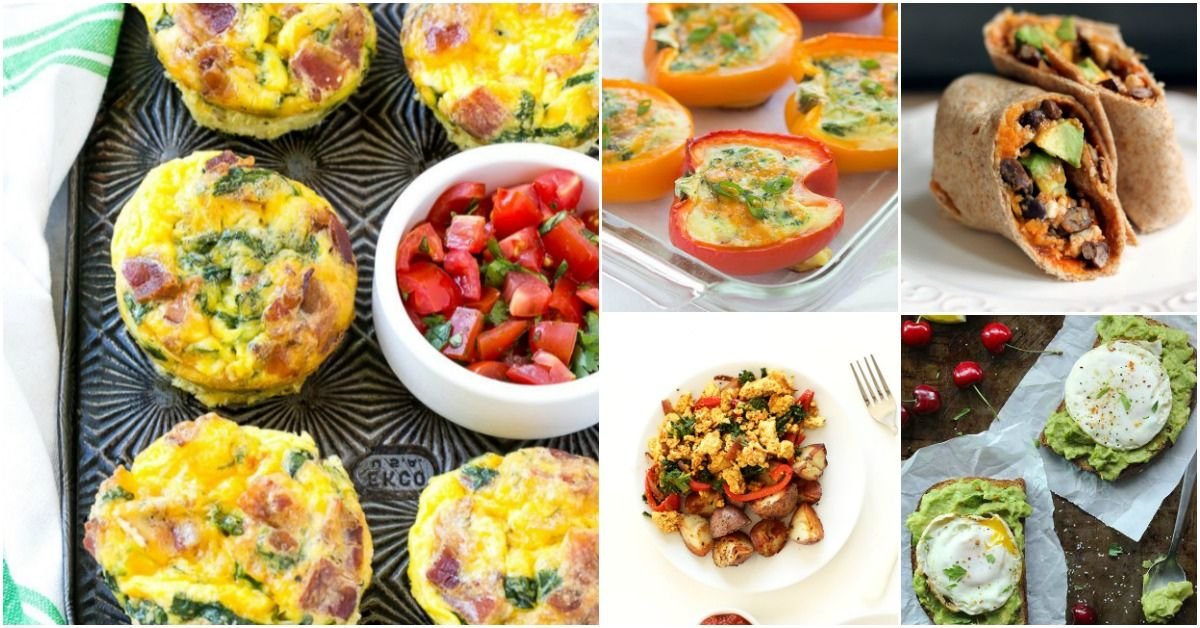
10 Easy Low-Calorie Breakfast Ideas for Weight Loss
A low-calorie breakfast is a morning meal that gives your…
10 Best Fast Food Breakfast Options for Busy Mornings
A fast food breakfast is a quick meal you can…
High-Protein Cottage Cheese Recipes for a Healthy Diet
Cottage cheese is a soft dairy food made from curdled…
One Reply to “Healthy Frozen Foods You Should Keep at Home”