A low-calorie breakfast is a morning meal that gives your body energy without adding too many calories. It often includes healthy foods like eggs, oats, yogurt, fruit, and whole grains. These foods help you stay full and support a balanced diet. A good breakfast can also help you make healthier food choices during the day.
If you want to lose weight, your first meal of the day matters. Many people skip breakfast, but that can lead to overeating later. A healthy low-calorie breakfast keeps you satisfied and helps control hunger. It also gives you the energy you need to stay active and focused.
There are many simple, tasty, low-calorie breakfast ideas to try. Some recipes take only a few minutes to prepare. Others can be made ahead of time for busy mornings. This guide shares easy breakfast ideas, healthy ingredients, and helpful tips to support your weight loss journey.
What Is a Low Calorie Breakfast?
A low-calorie breakfast is a morning meal that contains fewer calories while still providing your body with the nutrients it needs. It usually includes foods that are rich in protein, fiber, vitamins, and minerals. Common choices include eggs, oatmeal, Greek yogurt, fresh fruit, and whole-grain toast. These foods help you feel full without adding too many calories.

Many people choose a low-calorie breakfast to support weight loss or maintain a healthy lifestyle. Eating a balanced breakfast can reduce hunger later in the day. It also gives you energy to work, study, or exercise. A healthy morning meal can improve focus and help you make better food choices.
A good low-calorie breakfast does not mean eating very little food. Instead, it means choosing smart and nutritious ingredients. You can enjoy tasty meals without adding extra sugar or unhealthy fats. With the right food choices, a low-calorie breakfast can become a simple and enjoyable part of your daily routine.
Benefits of Eating a Low-Calorie Breakfast
A low-calorie breakfast gives your body the energy it needs to start the day. It helps you stay active and focused during work, school, or daily tasks. Healthy foods like eggs, oats, fruit, and yogurt provide important nutrients. These foods also keep you feeling full for longer.
Eating a low-calorie breakfast can support healthy weight management. It may reduce the urge to snack on unhealthy foods before lunch. Many balanced breakfast options are rich in protein and fiber. These nutrients help control hunger and support steady energy levels. A healthy morning meal often leads to better food choices throughout the day.
A low-calorie breakfast can also improve your daily eating habits. It encourages you to choose fresh and nutritious ingredients instead of highly processed foods. Many people follow healthy breakfast routines to support a balanced lifestyle. Over time, this simple habit can support better health and overall well-being.
Essential Nutrients in a Low Calorie Breakfast
A healthy low-calorie breakfast should include the right mix of nutrients. Protein helps build and repair muscles while keeping you full for longer. Fiber supports healthy digestion and reduces hunger between meals. Complex carbohydrates provide steady energy instead of a quick sugar rush. Healthy fats, vitamins, and minerals also play an important role in overall health.
You do not need expensive foods to enjoy a balanced breakfast. Simple choices like oats, eggs, Greek yogurt, berries, whole-grain bread, and nuts can provide many essential nutrients. Mixing different food groups creates a more satisfying meal. Drinking water or low-fat milk with breakfast also supports hydration and nutrition.
Table
| Nutrient | Why It Is Important | Best Food Sources | Breakfast Benefit |
| Protein | Builds muscles and keeps you full | Eggs, Greek yogurt, cottage cheese | Reduces hunger and supports weight loss |
| Fiber | Supports digestion and fullness | Oats, apples, berries, chia seeds | Helps control appetite |
| Complex Carbohydrates | Provide lasting energy | Oatmeal, whole-grain bread, quinoa | Keeps energy steady throughout the morning |
| Healthy Fats | Support brain and heart health | Avocado, almonds, walnuts | Makes meals more satisfying |
| Calcium | Strengthens bones and teeth | Low-fat milk, yogurt, cheese | Supports bone health |
| Vitamin D | Helps the body absorb calcium | Fortified milk, eggs, mushrooms | Supports strong bones and immunity |
| Vitamin C | Boosts the immune system | Oranges, strawberries, kiwi | Helps protect the body from illness |
| Iron | Carries oxygen throughout the body | Spinach, fortified cereal, seeds | Helps prevent tiredness |
| Potassium | Supports heart and muscle function | Banana, avocado, sweet potato | Helps maintain healthy blood pressure |
| Magnesium | Supports muscles and nerves | Pumpkin seeds, almonds, oats | Helps with energy production |
| B Vitamins | Help convert food into energy | Eggs, whole grains, dairy products | Supports metabolism |
| Zinc | Supports immune function and healing | Pumpkin seeds, yogurt, eggs | Helps maintain overall health |
| Antioxidants | Protect cells from damage | Blueberries, raspberries, grapes | Supports healthy aging |
| Omega-3 Fatty Acids | Support brain and heart health | Chia seeds, flaxseeds, walnuts | Improves overall wellness |
| Water | Keeps the body hydrated | Water, herbal tea, fresh fruits | Supports digestion and energy levels |
Best Foods for a Low-Calorie Breakfast
Choosing the right foods makes a low-calorie breakfast healthy and satisfying. Eggs are a great source of protein and help keep you full for hours. Oatmeal provides fiber and steady energy for the morning. Greek yogurt adds protein and calcium without too many calories. Fresh fruits like berries, apples, and bananas bring natural sweetness, vitamins, and fiber to your meal.

Whole-grain bread, high-fiber cereal, and chia seeds are also excellent breakfast choices. They support healthy digestion and provide lasting energy. Nuts and seeds can be added in small amounts for healthy fats and extra crunch. Low-fat milk or unsweetened plant-based milk works well with many breakfast recipes. A balanced meal is created when you combine protein, fiber, and healthy fats.
It is also important to avoid foods that are high in added sugar and unhealthy fats. Sweet pastries, sugary cereals, and fried foods can increase calories without providing much nutrition. Fresh and simple ingredients are often the best option for a healthy morning meal. Try different food combinations every day to keep breakfast interesting. A well-planned low-calorie breakfast supports weight loss and helps you stay active throughout the day.
Fruits
Fruits are one of the best choices for a low-calorie breakfast. They are naturally low in calories and rich in vitamins, minerals, and fiber. Apples, berries, oranges, and grapefruit are popular morning options. These fruits add natural sweetness without extra sugar. They also help you feel refreshed at the start of the day.
Fiber in fruit helps keep you full for a longer time. This can reduce the urge to snack before lunch. Many fruits also contain water, which supports hydration. A bowl of mixed fruit can be enjoyed on its own or served with Greek yogurt or oatmeal. Healthy breakfast meals are often made more colorful with fresh fruit.
Try to choose whole fruits instead of fruit juices whenever possible. Whole fruits contain more fiber and fewer added ingredients. Seasonal fruits are usually fresh, tasty, and affordable. You can mix different fruits to create new flavors every morning. Adding fruit to your low-calorie breakfast is a simple way to enjoy a healthy and balanced meal.
Whole Grains
Whole grains are an excellent choice for a low-calorie breakfast. They provide complex carbohydrates that give your body steady energy. They are also rich in fiber, vitamins, and minerals. Popular options include oatmeal, whole-grain bread, brown rice, and quinoa. These foods help you stay full and satisfied for a longer time.
The fiber in whole grains supports healthy digestion and helps control hunger. A bowl of oatmeal with fresh fruit makes a simple and balanced breakfast. Whole-grain toast can be paired with eggs or avocado for extra nutrition. Many healthy breakfast recipes include whole grains because they are filling and easy to prepare. Better food choices are often made after a nutritious morning meal.
Choose whole-grain products instead of refined grains whenever possible. Read food labels to make sure whole grains are listed as the main ingredient. You can prepare many whole-grain meals in advance to save time on busy mornings. Different grains can be used to add variety to your breakfast. A low-calorie breakfast with whole grains supports healthy eating and long-lasting energy.
Lean Protein
Lean protein is an important part of a low-calorie breakfast. It helps build and repair muscles while keeping you full for longer. Good choices include eggs, egg whites, Greek yogurt, cottage cheese, and skinless chicken. These foods provide plenty of protein without adding too many calories.
A breakfast with lean protein can help reduce hunger during the morning. It also supports steady energy levels and makes it easier to avoid unhealthy snacks. You can enjoy scrambled eggs with whole-grain toast or Greek yogurt with fresh berries. Many healthy breakfast meals are made with lean protein because it is nutritious and satisfying.
Choose lean protein foods that are low in added sugar and unhealthy fats. Fresh and lightly cooked options are usually the best choice. Processed meats should be eaten less often because they may contain extra salt and fat. A balanced low-calorie breakfast is created when lean protein is combined with fiber-rich foods and healthy fats. This simple combination supports a healthy lifestyle and weight management.
Healthy Fats
Healthy fats are an important part of a low-calorie breakfast. They provide energy and help your body absorb important vitamins. Foods like avocado, almonds, walnuts, chia seeds, and flaxseeds are excellent choices. These foods also add flavor and texture to your morning meal.
Eating healthy fats can help you stay full for a longer time. This may reduce the need for unhealthy snacks before lunch. You can spread avocado on whole-grain toast or add chia seeds to yogurt or oatmeal. A small handful of nuts can also be enjoyed with fresh fruit. Balanced breakfasts are often made with a mix of healthy fats, protein, and fiber.
It is important to eat healthy fats in the right portions because they are high in calories. A little goes a long way in creating a satisfying meal. Fried foods and items with trans fats should be limited whenever possible. A well-balanced low-calorie breakfast becomes more nutritious when healthy fats are included in sensible amounts. This simple habit supports heart health and helps maintain a healthy lifestyle.
Low-Fat Dairy Options
Low-fat dairy products are a smart choice for a low-calorie breakfast. They provide protein, calcium, and other important nutrients without adding too many calories. Low-fat milk, Greek yogurt, cottage cheese, and reduced-fat cheese are popular options. These foods help support strong bones and keep you feeling satisfied.
Greek yogurt is one of the best low-fat dairy choices for breakfast. It is high in protein and pairs well with fresh fruit, oats, or nuts. Cottage cheese can also be served with berries or sliced peaches for a simple meal. Many healthy breakfast recipes include low-fat dairy because it is filling and easy to prepare. Balanced meals are often created by combining dairy with whole grains and fruit.
Choose plain low-fat dairy products instead of flavored varieties whenever possible. Flavored products may contain extra sugar and unnecessary calories. Always check the nutrition label before buying packaged dairy foods. A nutritious low-calorie breakfast can be prepared in just a few minutes with the right ingredients. This simple choice supports healthy eating and helps you stay energized throughout the morning.
10 Easy Low Calorie Breakfast Ideas
A low-calorie breakfast can be quick, healthy, and full of flavor without taking much time to prepare. Try these simple breakfast ideas to enjoy balanced nutrition while supporting your weight loss goals.
- Oatmeal with fresh berries
- Greek yogurt with sliced banana
- Scrambled eggs with spinach
- Whole-grain toast with avocado
- Cottage cheese with mixed fruit
- Chia seed pudding with berries
- Vegetable omelet with tomatoes
- Smoothie with spinach and Greek yogurt
- Apple slices with natural peanut butter
- Whole-grain cereal with low-fat milk
High-Protein Low Calorie Breakfast Recipes
High-protein recipes are a great choice for a low-calorie breakfast. Protein helps you stay full and supports healthy muscles. It can also reduce hunger between meals. Eggs, Greek yogurt, cottage cheese, and lean turkey are excellent protein sources. These foods fit well into a healthy morning routine.

Many high-protein breakfasts are easy to prepare. You can make a vegetable omelet with spinach and tomatoes for a filling meal. Greek yogurt with berries and chia seeds is another healthy option. Cottage cheese with fresh fruit also tastes great and provides important nutrients. A protein smoothie can be prepared in just a few minutes for busy mornings.
Choose fresh ingredients and keep added sugar to a minimum. Whole-grain toast or oatmeal can be paired with protein-rich foods for a balanced meal. Healthy breakfast recipes are often enjoyed because they are simple and satisfying. A low-calorie breakfast with plenty of protein helps support weight loss, steady energy, and a healthy lifestyle.
Low-Calorie Breakfast for Weight Loss
A low-calorie breakfast can support your weight loss goals when it includes healthy and balanced foods. It helps control hunger and provides energy for the day ahead. Meals that contain protein, fiber, and healthy fats keep you full for longer. Fresh ingredients also provide important nutrients without adding too many calories.
Choosing the right portion sizes is just as important as choosing healthy foods. A breakfast with eggs, oatmeal, fruit, or Greek yogurt can satisfy your appetite while keeping calories under control. Sugary cereals, pastries, and sweet drinks should be limited because they add extra calories with little nutrition. Healthy eating habits are often built by making smart breakfast choices each morning.
You do not need to skip breakfast to lose weight. A well-planned low-calorie breakfast can help reduce cravings and prevent overeating later in the day. Try different healthy recipes to keep your meals interesting and enjoyable. This simple daily habit supports steady progress and makes weight management easier over time.
Quick Low-Calorie Breakfast for Busy Mornings
Busy mornings do not mean you have to skip a low-calorie breakfast. Many healthy meals can be prepared in less than ten minutes. Greek yogurt with fresh berries, overnight oats, or a banana with peanut butter are quick and filling choices. These meals provide energy and help you stay focused throughout the morning.
Planning your breakfast ahead of time can save both time and effort. You can prepare overnight oats, boiled eggs, or fruit containers the night before. Smoothies can also be blended in just a few minutes with simple ingredients. Healthy breakfasts are often enjoyed more when they are easy to make and ready to eat.
Keep your kitchen stocked with nutritious breakfast foods for busy days. Whole-grain bread, oats, eggs, low-fat yogurt, and fresh fruit are all smart options. Simple recipes make it easier to follow healthy eating habits every morning. A low-calorie breakfast prepared with fresh ingredients supports weight loss and keeps your day off to a great start.
Low Calorie Breakfast Meal Prep Tips
Meal prep makes it easier to enjoy a low-calorie breakfast every day. You can prepare healthy ingredients in advance and save time during busy mornings. Wash and cut fresh fruit, boil eggs, or make overnight oats the night before. These simple steps help you choose healthy meals instead of less nutritious options.
Store your prepared breakfast in clean, airtight containers to keep it fresh. Divide meals into single portions to avoid overeating. Greek yogurt, chopped vegetables, and whole-grain muffins can be kept in the refrigerator for several days. Breakfast items are often easier to grab when they are already prepared and organized.
Plan different meals for the week to add variety to your breakfast routine. Use healthy ingredients like oats, eggs, fruit, low-fat dairy, and nuts in different combinations. A shopping list can help you buy everything you need before the week begins. A well-planned low-calorie breakfast saves time, supports weight loss, and makes healthy eating easier every morning.
Common Mistakes to Avoid When Making a Low-Calorie Breakfast
Many people make simple mistakes when preparing a low-calorie breakfast. One common mistake is skipping breakfast to reduce calories. This can increase hunger later in the day and lead to overeating. Another mistake is choosing foods that are high in added sugar but low in nutrients. These meals may not keep you full for very long.
Some people eat portions that are too large, even when the foods are healthy. Others forget to include enough protein or fiber in their breakfast. A balanced meal should contain healthy ingredients from different food groups. Nutrition labels should also be checked because some packaged foods contain hidden sugar, salt, or unhealthy fats.
It is best to keep your breakfast simple and well balanced. Fresh fruits, whole grains, lean protein, and low-fat dairy are smart choices for most people. Healthy habits are built by making small and consistent changes every day. A carefully planned low-calorie breakfast can support weight loss, improve energy, and help you stay satisfied until your next meal.
Foods to Avoid in a Low-Calorie Breakfast
Some breakfast foods can add many calories without providing enough nutrition. Sugary cereals, pastries, donuts, and sweet muffins are common examples. These foods often contain large amounts of added sugar and unhealthy fats. They may give you quick energy, but the feeling of fullness does not last very long.
Processed meats like bacon, sausage, and fried breakfast items should be eaten in moderation. They can contain high amounts of saturated fat and sodium. Sweetened yogurt and flavored coffee drinks may also add extra sugar and calories. Nutrition labels should be checked before buying packaged breakfast foods. This simple habit helps you make healthier choices.
Choose fresh and wholesome foods instead of highly processed products. Whole fruits, oats, eggs, Greek yogurt, and whole-grain bread are better options for a low-calorie breakfast. Water or unsweetened drinks are also healthier than sugary beverages. Smart food choices each morning support weight loss, improve energy, and help you maintain a balanced diet.
How to Choose the Best Low-Calorie Breakfast for Your Lifestyle
The best low-calorie breakfast depends on your daily routine and personal needs. Choose foods that match your activity level and health goals. If you exercise in the morning, include protein and whole grains for lasting energy. If you have a busy schedule, prepare quick meals that are easy to carry and eat.
Focus on balanced meals instead of counting calories alone. Include lean protein, fiber-rich foods, healthy fats, and fresh fruit or vegetables. This combination helps you stay full and supports steady energy throughout the morning. Healthy breakfasts are often made with simple and fresh ingredients that are easy to find.
Try different breakfast ideas until you find the meals you enjoy most. Variety keeps your morning routine interesting and helps you avoid getting bored. Small changes can make a big difference over time. A well-planned low-calorie breakfast fits your lifestyle, supports weight loss, and makes healthy eating easier every day.
Conclusion
A low-calorie breakfast is a simple way to start your day with healthy food and steady energy. Choosing foods that are rich in protein, fiber, and important nutrients can help you stay full for longer. Small changes in your morning routine can support weight loss and improve your overall health. Healthy breakfasts do not have to be expensive or difficult to prepare.
There are many tasty and easy breakfast ideas that fit different lifestyles. Planning your meals and choosing fresh ingredients can make healthy eating easier every day. Try different recipes to find the ones you enjoy the most. A balanced low-calorie breakfast can become a daily habit that supports your long-term health and wellness goals.
FAQs
1. What is a low-calorie breakfast?
A low-calorie breakfast is a healthy morning meal that contains fewer calories while providing important nutrients, protein, and fiber.
2. Is a low calorie breakfast good for weight loss?
Yes. A balanced low-calorie breakfast can help control hunger, reduce overeating, and support healthy weight loss.
3. What foods are best for a low calorie breakfast?
Eggs, oatmeal, Greek yogurt, fresh fruit, whole-grain bread, and low-fat dairy are some of the best choices.
4. Can I prepare a low-calorie breakfast in advance?
Yes. Overnight oats, boiled eggs, fruit cups, and yogurt parfaits are easy to prepare ahead of time for busy mornings.
5. Should I skip breakfast to lose weight?
No. Skipping breakfast may increase hunger later in the day. A healthy low-calorie breakfast can help you stay full and make better food choices.
Related Posts
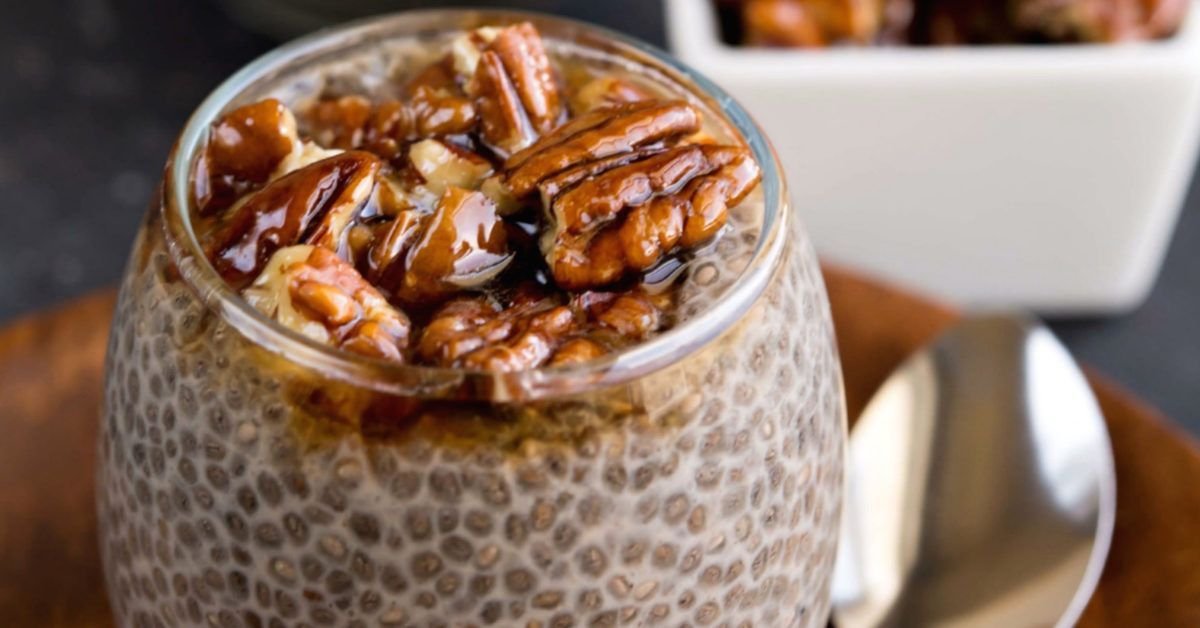
Easy Chia Pudding Recipe for Busy Mornings
Chia pudding is a simple breakfast made with chia seeds…

Healthy Frozen Foods You Should Keep at Home
Healthy frozen foods are foods that are frozen to keep…

10 Best Fast Food Breakfast Options for Busy Mornings
A fast food breakfast is a quick meal you can…
One Reply to “10 Easy Low-Calorie Breakfast Ideas for Weight Loss”